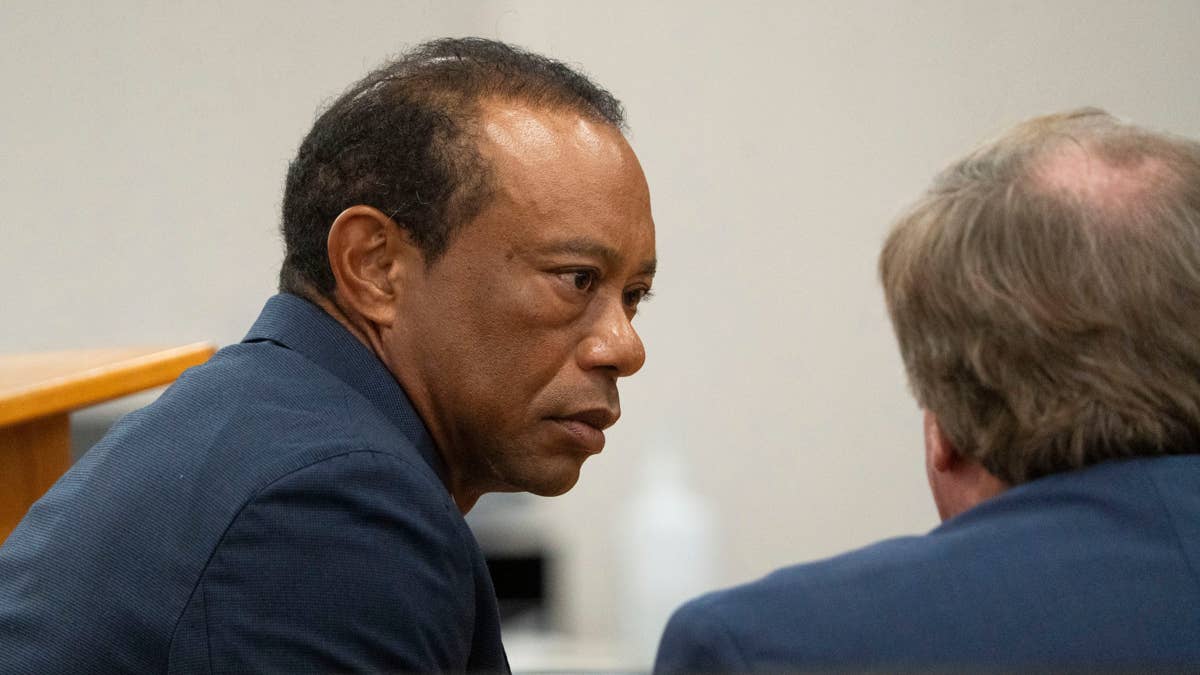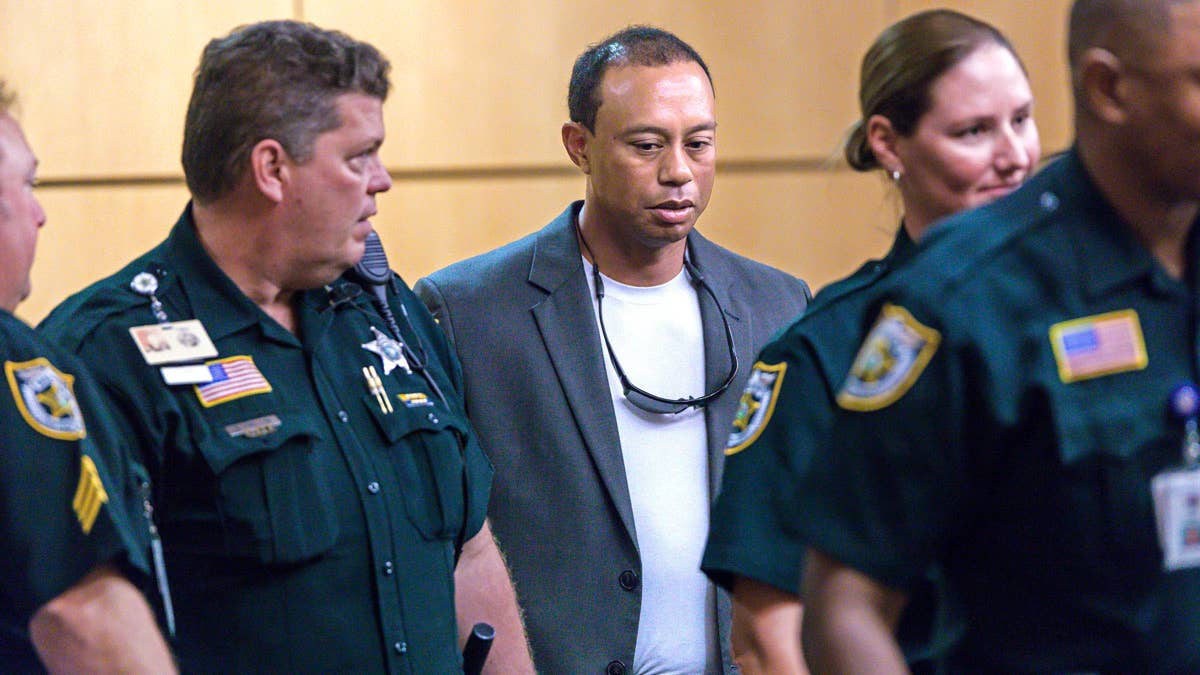
The legal battle surrounding Tiger Woods' March DUI arrest is heating up, with the golf legend's attorneys taking a firm stand against what they see as prosecutorial overreach. Woods, arrested after a single-vehicle rollover wreck on Jupiter Island, Florida, now faces a contentious fight over his medical privacy.
A Clash Over Constitutional Rights
Prosecutors recently filed a request in court seeking access to Woods' prescription drug records, a move that has sparked immediate and forceful opposition. The 15-time major champion's legal team isn't just objecting—they're launching a full counter-offensive, framing the request as a fundamental violation of their client's rights.

"Mr. Woods has a Constitutional Right to Privacy interest in his prescription records," his attorneys stated unequivocally in a new court motion. This sets the stage for a classic legal showdown, pitting the state's investigative powers against an individual's right to keep medical history confidential.
Demanding Proof of Relevance
Woods' lawyers aren't merely filing an objection; they're going on the offensive. According to reports, they have formally requested an evidentiary hearing where prosecutors would be forced to justify their request. The legal team argues that the state must prove the records are directly relevant to the criminal investigation before any disclosure can be considered.
This strategic move suggests Woods' attorneys believe the prosecution's request is overly broad—a "fishing expedition" rather than a targeted inquiry. The case stems from an incident where Woods, after the crash, reportedly told police he had "taken a few" prescription medications. His legal team appears ready to argue that this admission doesn't open the door to his entire pharmaceutical history.
The pushback from Woods' camp is part of a broader trend of high-profile figures fiercely protecting their privacy in legal matters. Similar battles over personal boundaries have erupted across the sports world, from broadcasters defending their colleagues to league commissioners challenging media narratives.
The Stakes for a Golf Icon
For Woods, the implications extend far beyond the courtroom. At 50 years old and still navigating a legendary career marked by incredible comebacks, any legal outcome could significantly impact his public legacy and future endeavors. The case also touches on the sensitive issue of prescription medication use among athletes, a topic that has drawn increased scrutiny in recent years.
Woods' arraignment is scheduled for April 23, but this new legal skirmish over prescription records could delay proceedings or shape the trajectory of the entire case. The golfer's team seems prepared for a protracted fight, signaling they won't concede ground on privacy matters easily.
This isn't the first time a sports star has drawn a hard line on personal matters. Just as Travis Hunter recently challenged reports about his position, Woods is standing firm on what his team views as protected territory. The outcome could set important precedents for how similar cases are handled when public figures face legal challenges involving medical history.
As the legal teams prepare for their next confrontation in court, the sports world watches closely. Beyond the specifics of the DUI charges, this battle over privacy rights represents a critical moment for an athlete who has spent decades in the spotlight—now fighting to keep at least some aspects of his life out of public view.