Sports fans and athletes across a wide swath of the country need to keep a close eye on the sky this weekend. The National Weather Service has issued warnings for a major storm system expected to sweep through twelve U.S. states on Sunday, March 1, potentially throwing a wrench into outdoor sporting events, travel to games, and recreational activities.
A Widespread Weather Threat
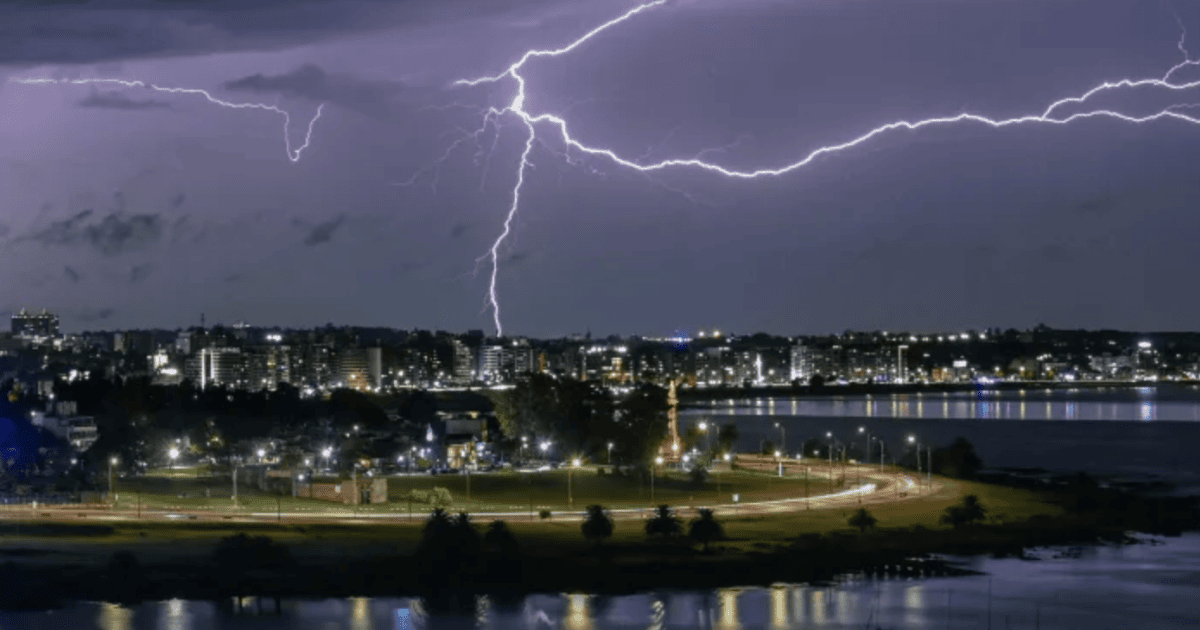
This isn't your average spring shower. Forecasters are predicting a potent mix of severe weather conditions, including intense thunderstorms, frequent lightning, powerful wind gusts, torrential downpours, and the possibility of large hail. The storm's path stretches from the West Coast deep into the nation's heartland, creating a significant disruption zone for anyone with plans outside.

The states in the bullseye are California, Oregon, Nevada, Idaho, Utah, Wyoming, Nebraska, Kansas, Oklahoma, Texas, Missouri, and Arkansas. This means everything from West Coast hiking and mountain biking to planned community sports leagues and travel for weekend tournaments could be affected. The timing on a Sunday is particularly impactful for youth sports, amateur leagues, and fans driving to or from events.
Safety First for Sports Enthusiasts
When severe weather strikes, knowing what to do is crucial, especially if you're caught at a game, on a course, or on the road. The priority is always personal safety over the event. Here are essential tips for various situations sports fans might encounter:
If You're at an Outdoor Event or Game
Listen to Officials: Always heed announcements from event organizers or venue staff. If a warning is issued, proceed calmly to the designated secure location—often a sturdy, enclosed building. Avoid large, open structures like bleacher canopies, tents, or pavilions.
Avoid Open Areas: Do not wait out the storm under trees. This is extremely dangerous due to the risk of falling limbs and a higher chance of lightning strikes. Sheds or dugouts offer little real protection.
If You're Traveling to or From a Game
In Your Vehicle: While a car is safer than being completely exposed, it is not a safe place during a severe thunderstorm with large hail or tornado risk. If you have sufficient time, drive to the closest solid shelter. If caught on the road, avoid underpasses and try to park away from trees and power lines.
Stay Informed: Keep a NOAA Weather Radio app active or tune to local news for the latest watches and warnings. Conditions can change rapidly, and having real-time information is key to making safe decisions.
General Preparedness
If you have outdoor sports plans, from a morning run to a family picnic at the park, have a backup plan. Check the forecast frequently as Sunday approaches. Ensure your phone is charged and you have a way to receive emergency alerts. If you have pets that often join you for outdoor activities, include them in your evacuation plan if time allows.
The message from officials is clear: this storm system has the potential to be dangerous. While we all hope our weekend sports plans go off without a hitch, being prepared and making smart, safety-first choices is the ultimate win. Keep your head on a swivel, listen for warnings, and be ready to call an audible on your Sunday plans if the weather turns severe.