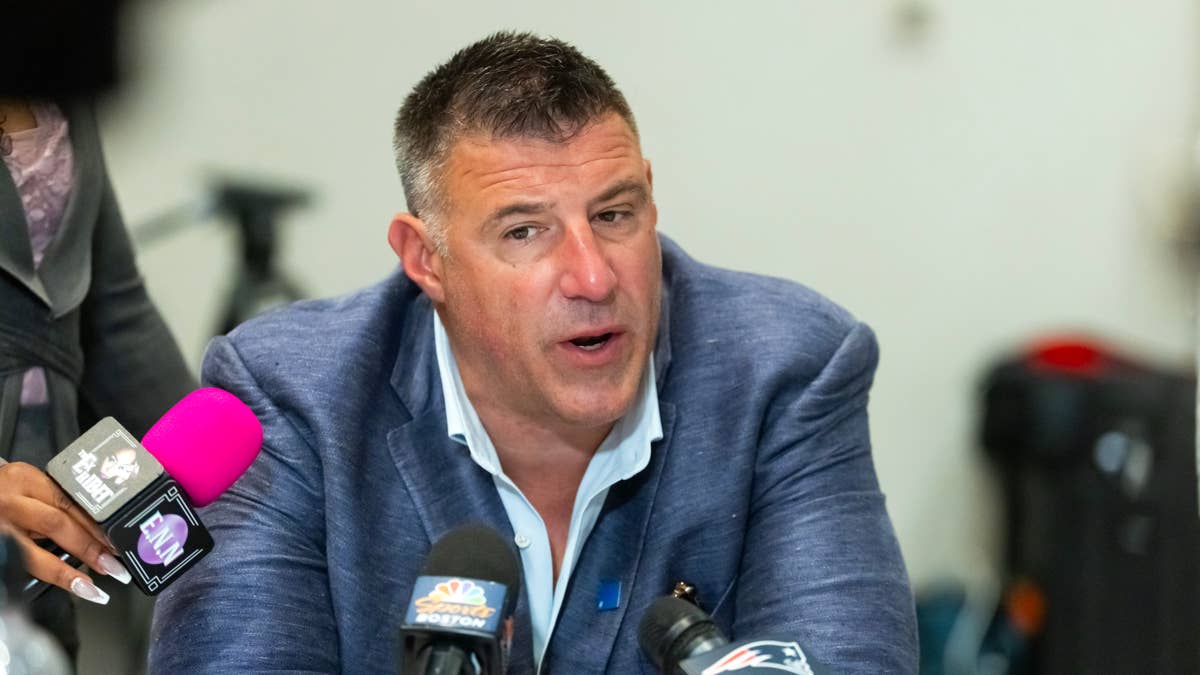
The New England Patriots' offseason just took another dramatic turn, and this time, it's head coach Mike Vrabel in the crosshairs of fan frustration. The controversy stems from photos published in early April showing Vrabel and NFL insider Dianna Russini together at a luxury Arizona resort, sparking a media firestorm that has taken vastly different tolls on the two individuals involved.
While both Vrabel and Russini immediately dismissed the photos as showing "a completely innocent interaction," the aftermath has unfolded unevenly. Russini, after initially receiving support from her employer The Athletic, ultimately resigned from her position, citing a "media frenzy" and "damage... I am unwilling to accept." Her statement painted a picture of a situation spiraling out of control, fueled by speculation she refused to legitimize.
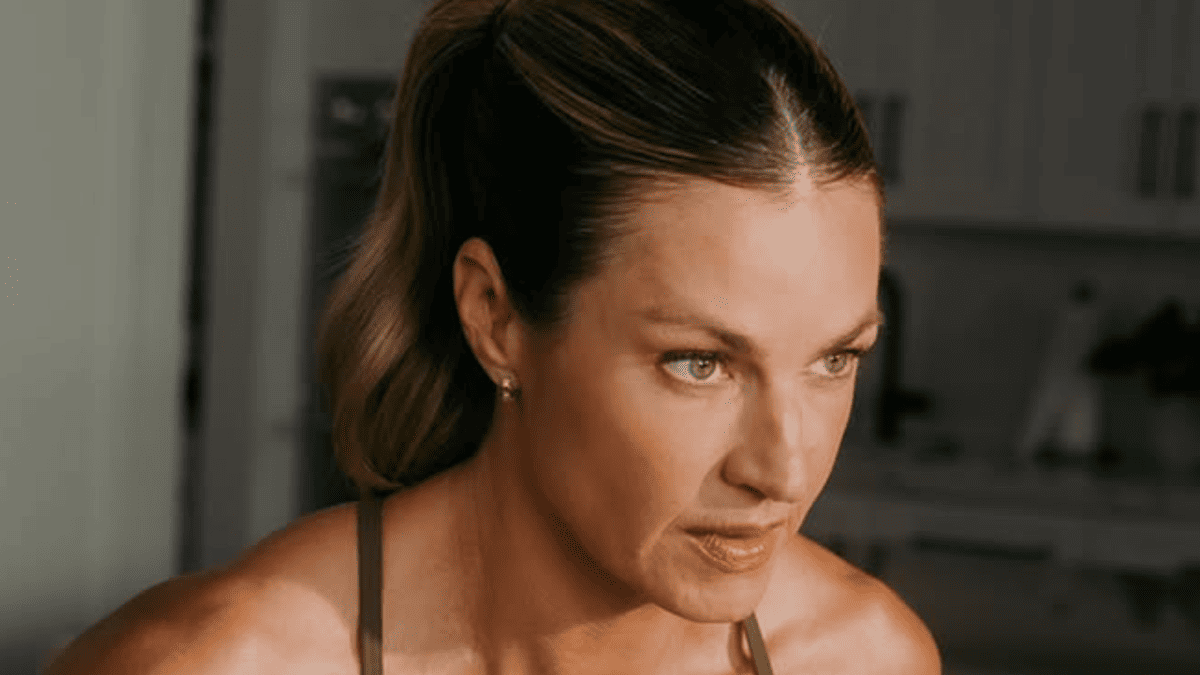
Vrabel, meanwhile, issued his single statement on April 7 and has not publicly addressed the situation since. This stark contrast in public engagement has become the flashpoint for growing criticism from the NFL community. As the story developed, reports emerged on how Russini is navigating the intense scrutiny, further highlighting the disparity in their experiences.
Fan Fury Erupts Over Perceived Disparity
Across social media platforms, particularly on X (formerly Twitter), a narrative has taken hold: Vrabel is letting Russini face the music alone. Fans have not held back, with many using the word "coward" to describe the Patriots coach's approach.
"Not gonna lie Mike Vrabel is a huge coward for hiding in the shadows while Dianna Russini gets all the flak," wrote one fan, capturing the sentiment of many. Another added, "Vrabel has always looked bad in this mess of course but he keeps looking worse and worse. Adding suspicion to what’s really going on." The criticism extends to his leadership, with questions about how players can trust a coach who appears to avoid public accountability. "Don’t know how you can be in a locker room lead by Mike Vrabel," a user questioned. "He’s a coward at the very least, or a fraud at the very most."
The situation has prompted broader conversations about the media landscape, with some veterans issuing stark warnings to female reporters in the wake of the fallout.
League Takes No Action, Leaving Questions Unanswered
Amid the public debate, the NFL has made its position clear. League spokesman Brian McCarthy told ESPN that Vrabel will not face a review under the NFL's personal conduct policy, which mandates that personnel avoid "conduct detrimental to the integrity of and public confidence in the National Football League." The league's decision means official scrutiny of the Vrabel-Russini photo controversy has ended from a disciplinary standpoint.
This lack of league action, however, does little to quell the court of public opinion. The optics of the situation remain challenging for Vrabel, who is now positioned as the silent party while his professional associate resigned from her high-profile job. The timeline of events shows Russini coordinating her initial response with Vrabel, only for her to later exit her role as speculation continued to mount.
All eyes are now on the NFL Draft, where Vrabel is next scheduled to speak to the media during the first round on Thursday. His podium appearance will be his first opportunity to address—or continue avoiding—the questions that have dogged him for weeks. How he handles that press conference could either extinguish the flames of this controversy or pour gasoline on them.
The episode serves as a stark reminder of how quickly off-field narratives can dominate an NFL team's offseason. For the Patriots, a franchise in a pivotal transition period, the distraction comes at an inopportune time. For Vrabel, the challenge is no longer just about the photos themselves, but about managing the perception of his response—or lack thereof—as a key figure in New England's new era.