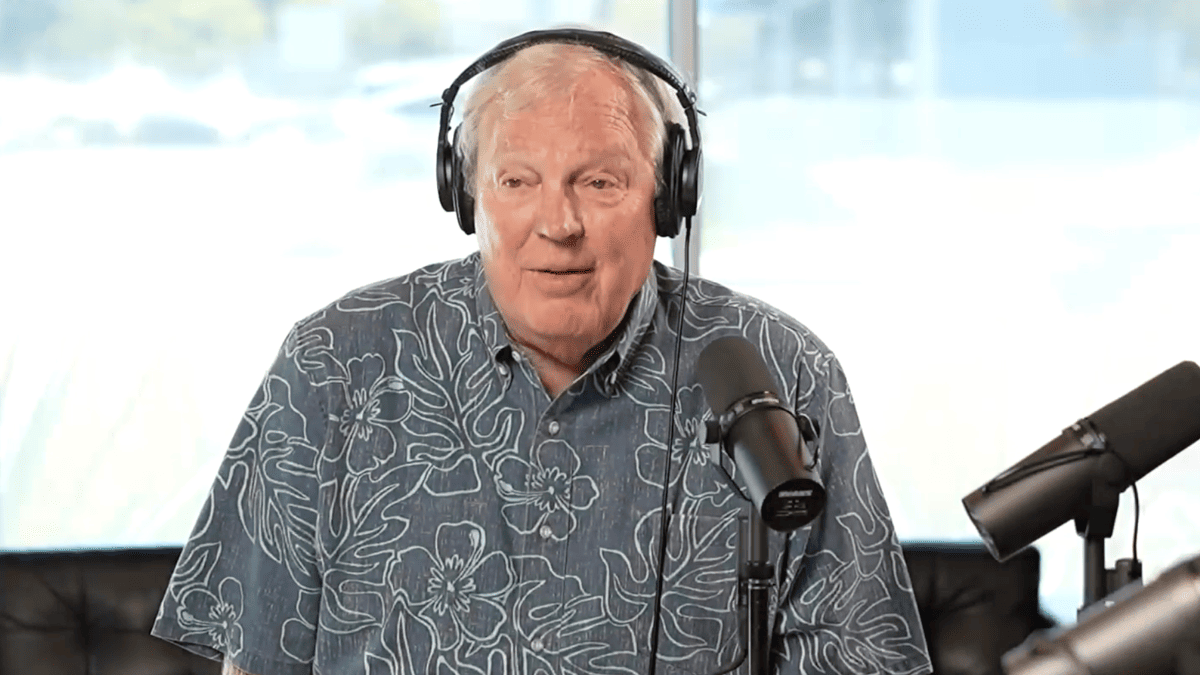
The world of college sports broadcasting has a zero-tolerance policy for hateful rhetoric, and a longtime volleyball announcer just learned that lesson the hard way. Charlie Brande, the voice of UC Irvine men's volleyball, has been permanently removed from the broadcast team after making a shocking and violent comment about an opposing player's sexuality during a live match.
A Comment That Crossed the Line
During a recent Big West Conference clash between UC Irvine and California State University, Northridge (CSUN), CSUN standout Jordan Lucas was in top form, racking up kills and digs with his signature energetic style. Lucas, who is openly gay, celebrated his plays with visible passion. Instead of commenting on the athletic performance, announcer Charlie Brande took a dark and personal turn.
"I'm amazed Jordan Lucas hasn't been popped by somebody," Brande said on the air, as reported by OutSports. He doubled down, calling Lucas's genuine excitement "very distasteful." The remark, implying Lucas deserved physical violence for his celebrations and implicitly linking it to his identity, sparked immediate outrage.
Apology Falls Short, Job is Lost
In the ensuing firestorm, Brande issued a public apology. "I'd like to publicly apologize for my comment... Most importantly, I apologize to Jordan," his statement read. "I take full accountability for my comment and the damage it may have caused. Violence should never be acceptable or tolerated." He expressed regret for harming the sport he loved.
However, the apology wasn't enough to save his position. UC Irvine swiftly took action. "His comments during the broadcast do not reflect the standards associated with our events or programs," said Assistant Athletic Director Stacey King. Emphasizing the university's commitment to professionalism and respect, King delivered the final verdict: "He will not be participating in future broadcasts." This incident shows that, much like when a fired NFL reporter doubles down, failing to fully grasp the severity of a situation can have permanent consequences.
Institutions Rally Around the Athlete
While Brande faced consequences, the athletic institutions involved united in support of Jordan Lucas. The Big West conference released a powerful statement standing firmly with the CSUN star. "We stand with CSUN men's volleyball student-athlete Jordan Lucas and all student-athletes in their rights to compete, celebrate and express themselves in a way that is authentic to them," the conference declared, affirming that Lucas committed no unsportsmanlike conduct.
This support highlights a growing imperative in college sports: protecting the right of athletes to be themselves. The focus is shifting toward celebrating individuality, a theme also seen in other sports realms, such as when a Hawaii volleyball phenom sets social media ablaze by confidently sharing her life beyond the court. Authenticity is becoming non-negotiable.
A Broader Lesson for Sports Media
This incident serves as a stark reminder of the responsibility held by those in the broadcast booth. Announcers shape the narrative and experience for thousands of fans. Comments that veer into personal attacks, bigotry, or suggestions of violence have no place in the game. It's a lesson other broadcasting teams are keenly aware of, similar to when LIV announcers fire back against critics to defend their professional standing.
The fallout also intersects with larger conversations about the culture and financial pressures in college athletics. As programs navigate immense change, including the looming reality of college football's first $100 million roster, maintaining an inclusive and respectful environment is paramount. The core mission must remain fostering a space where all athletes can thrive.
Ultimately, the story concludes with a player supported and an announcer dismissed. Jordan Lucas's right to play and celebrate with joy was defended by his university and conference. Charlie Brande's comment, deemed indefensible by the institution he represented, cost him his role. In modern sports, there is no room for commentary that threatens or demeans athletes for who they are. The microphone is a privilege, not a weapon.