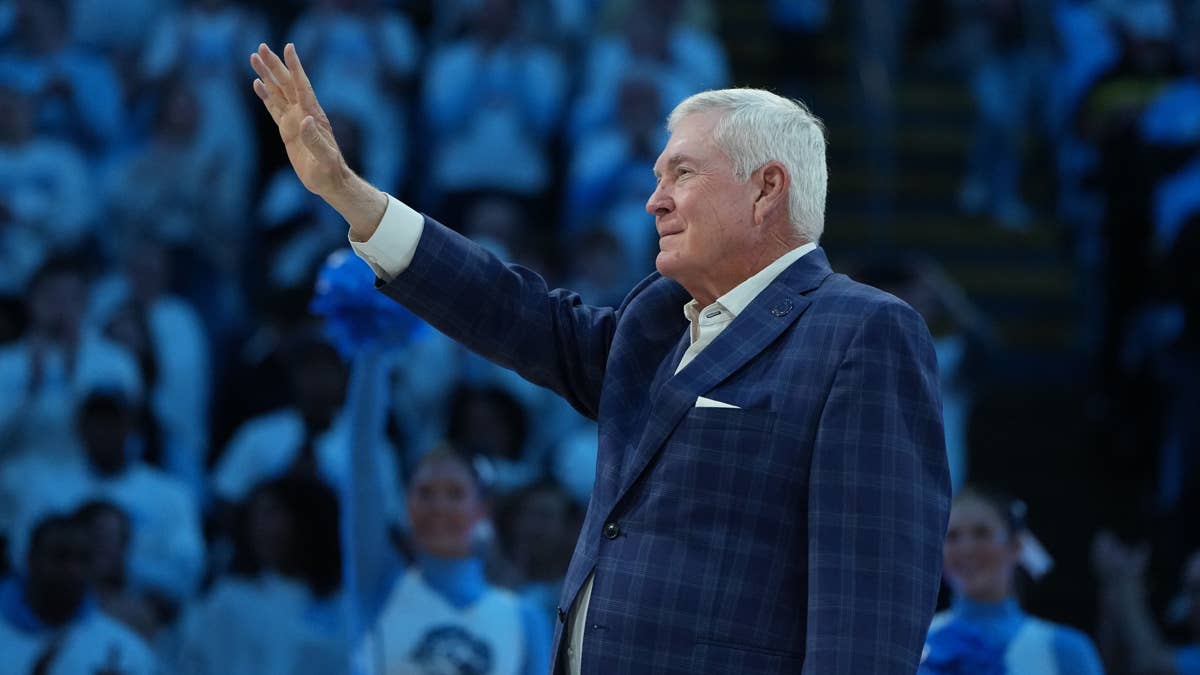
The discontent swirling around Chapel Hill just reached a boiling point with a voice that carries serious weight. Marquise Williams, a former North Carolina quarterback who ranks among the program's all-time greats, dropped a bombshell on social media Thursday: he's sitting out the entire season.
In a post that sent shockwaves through the Tar Heel faithful, Williams declared he would not be attending any UNC football games this year. "The things I'm hearing man I would have never thought," he wrote, punctuating the message with a broken heart emoji. While he stopped short of detailing specific grievances, the implication was clear—something within the program has deeply disturbed one of its most respected alumni.
Vague Post, Loud Reaction
The cryptic nature of Williams's announcement immediately divided the college football world. While some fans of rival programs reveled in the visible crack in UNC's foundation, many others—including Tar Heels supporters—criticized the approach as unproductive "vagueposting."
"Yeah...this isn't it. A vague tweet like this does no one any good — either say what you actually mean like a Man or don't put this garbage speculative tweet out there. Disappointing," one fan responded bluntly. Others echoed the sentiment, with comments like "Feels like something that shouldn't be left hanging" and "Why post this even if it's true. Alums be moving crazy on twitter." The backlash highlighted the frustration when a beloved figure raises an alarm without sounding a clear siren.
A Legend's Legacy
Williams's stature is what makes this boycott so significant. As a three-year starter for the Tar Heels, he sits near the top of the record books, trailing only Sam Howell in total offensive production for the school. His legacy isn't just about stats; it's about the respect he commands from a fanbase that watched him lead the team. For a figure of his caliber to publicly distance himself is more than a symbolic gesture—it's a distress signal.
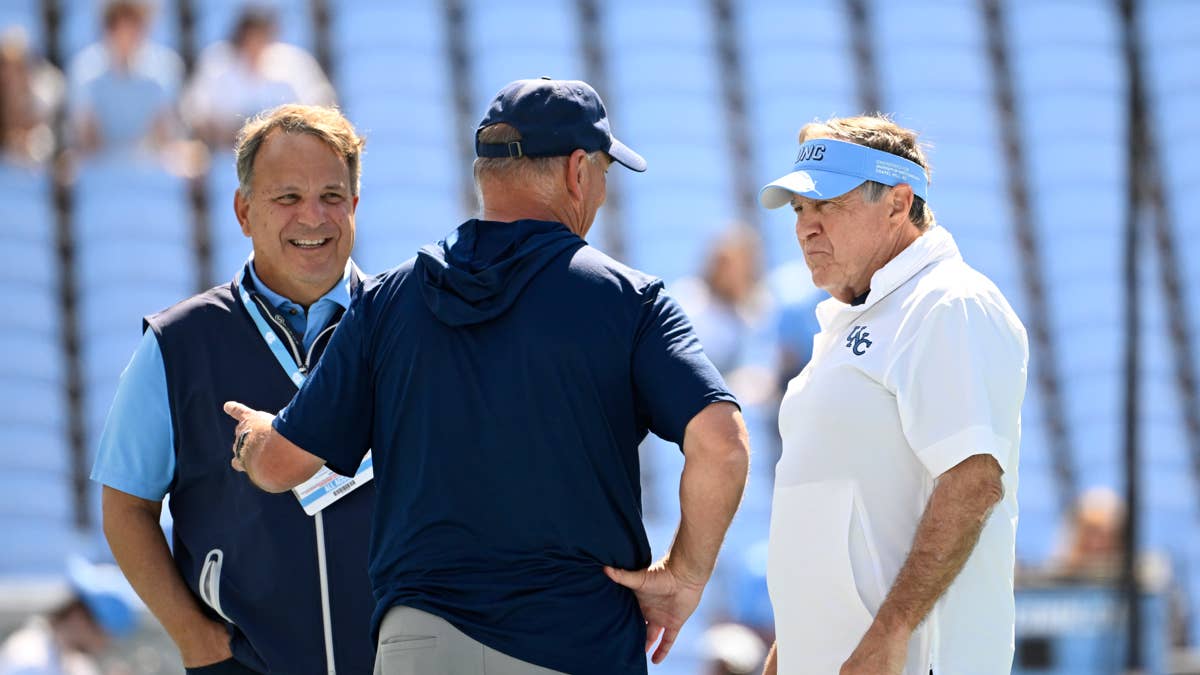
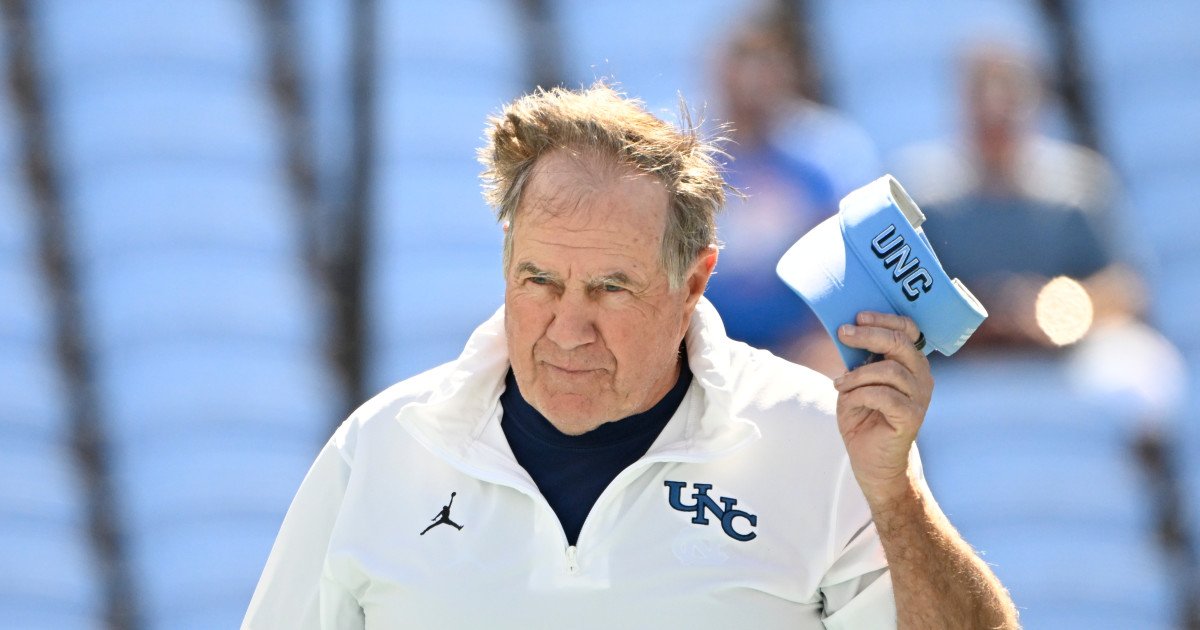
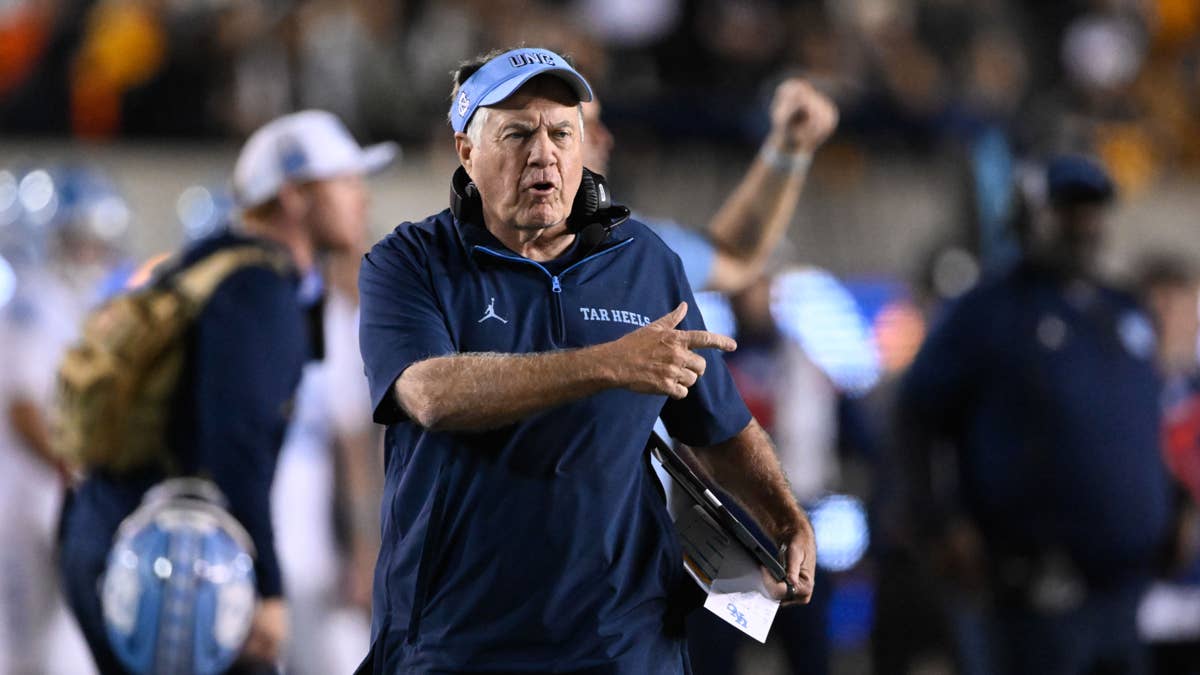
This move amplifies the growing unease surrounding head coach Bill Belichick's rocky transition to the college game. Since his high-profile hiring, the Tar Heels have struggled to find consistency, and fan patience is wearing thin. Williams's boycott suggests the disillusionment isn't limited to the stands; it may run deep into the program's alumni network. It's a stark reminder of how quickly fortunes can change, much like when a star player confronts a career crossroads.
What's Next for Carolina Football?
The big question now is whether Williams's stand is an isolated protest or the first domino to fall. Will other notable alumni follow suit? More importantly, how will the current team respond to seeing a program legend step away? In the era of intense scrutiny, internal discord can quickly derail a season's ambitions.
This situation underscores the immense pressure on coaches in today's landscape, where public opinion and alumni sentiment can feel as influential as win-loss records. Some coaches believe media spotlight shows hold power over job security, and this kind of high-profile boycott only intensifies that spotlight on Belichick.
For Tar Heels fans, the hope is that this becomes a wake-up call rather than a death knell. The season hangs in the balance, and restoring unity is paramount. As the sports world watches, this story serves as a potent example of how passion and legacy collide, creating drama that extends far beyond the gridiron. It's a chapter in Carolina football that no one saw coming, proving that in college sports, the most compelling stories often unfold off the field.