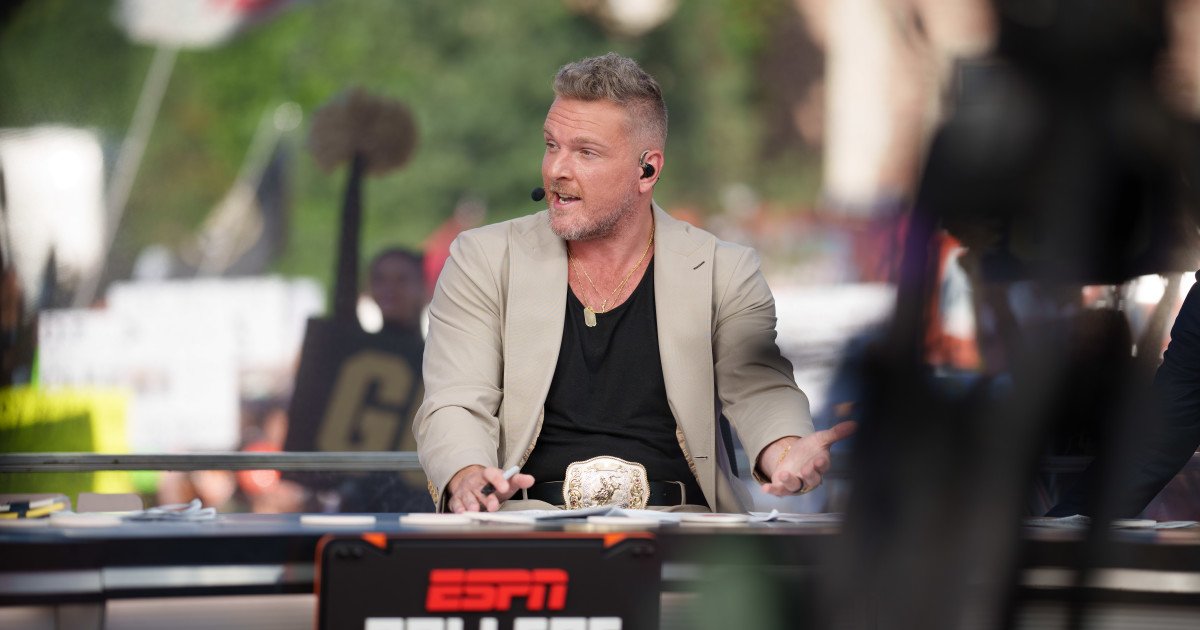
Forget the X's and O's—the real game-changing plays in college football might be happening on a television set before the teams even take the field. A shocking new report suggests ESPN's iconic College GameDay isn't just previewing the action; it's actively shaping coaching careers, with its analysts' words carrying enough weight to make or break a head coach's tenure.
In a revealing poll conducted by The Athletic, anonymous coaches from across the nation, including a prominent SEC assistant, sounded the alarm. They claim athletic directors and powerful boosters treat the commentary from personalities like Kirk Herbstreit as gospel, directly impacting hiring and firing decisions in an era where fan sentiment is paramount.
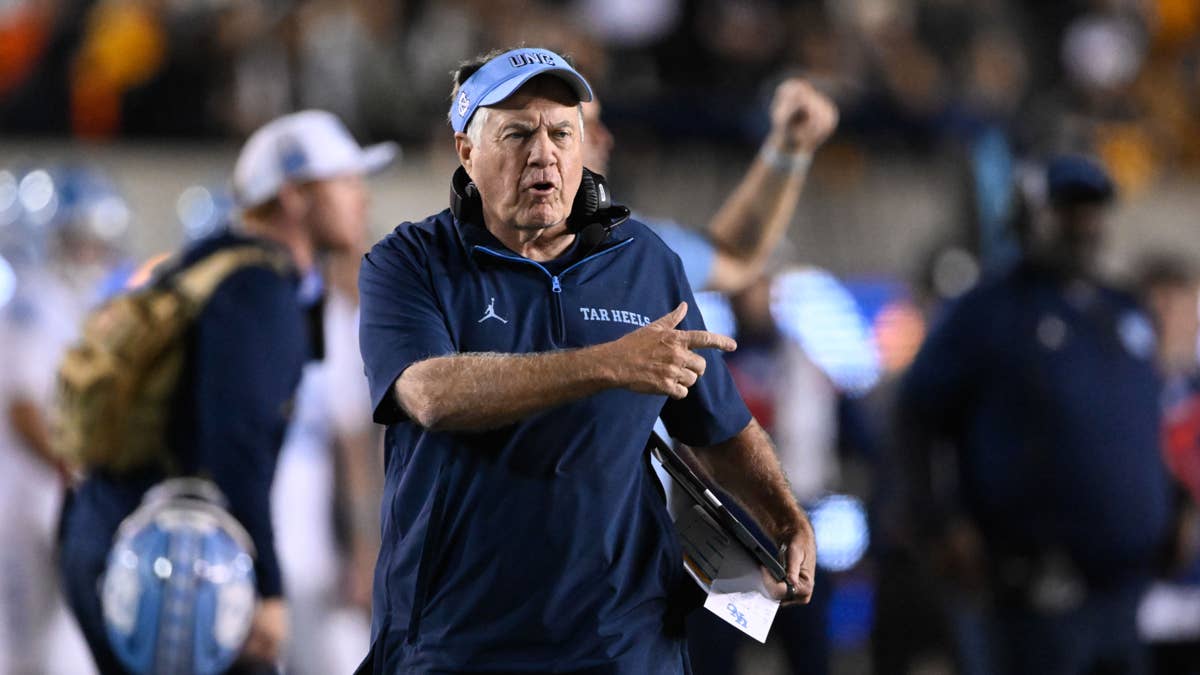
"Whatever is said on 'GameDay' is like gold," the SEC assistant coach stated bluntly. "Fan support pays the bills now more than ever. You've got to keep those guys happy, and they get their information from those guys on 'College GameDay.' If Herbstreit says a coach is doing a good job, they believe it. If he says he's not, they believe that, too."
The Ripple Effect of a Hot Take
The influence isn't always a direct command from the TV to the athletic director's office. Several coaches pointed to a more indirect, yet equally powerful, chain reaction. A strong negative opinion voiced on the national stage can rile up a program's donor base, whose financial contributions are the lifeblood of major athletic departments. When the pocketbook speaks, administrators are forced to listen.
The poll's findings were stark: four out of six coaches surveyed agreed that GameDay holds significant sway over the job security of their peers. This paints a picture of a high-stakes environment where a Saturday morning soundbite can be as consequential as a Saturday night loss.
PR Machine or Mirror to Reality?
Is College GameDay a cause or merely reflecting the effect? The 2025 season provided a compelling case study. Analysts on the show were notably defensive of coaches like Lane Kiffin during his tumultuous exit from Ole Miss, arguably providing a public relations shield during a volatile period. This kind of advocacy can undoubtedly alter the narrative around a coach's performance.
However, defenders of the show argue its analysts are simply vocalizing what any dedicated fan can see on the field. Coaches have always operated on notoriously short leashes, long before Herbstreit picked up a microphone. The modern difference, as seen in sweeping changes like the SEC's power plays for independence, is the astronomical amount of money in the sport. Schools are quicker to pull the trigger on a multi-million dollar buyout if they sense a return on investment is slipping away, and public perception is a key metric.
This controversy emerges amidst a college sports landscape undergoing seismic shifts, from debates over athlete rights to major conference realignment. The pressure on coaches has never been higher, and the role of media in amplifying that pressure is now under the microscope. It's a dynamic not unlike other high-profile sports media narratives, such as when NFL referees accused the league of spinning narratives during contentious negotiations.
The question remains: does a platform like College GameDay have an unfair influence, or is it simply the loudest voice in a room where decisions were already being made? For the coaches in the crosshairs, the distinction might not matter. When the college football world tunes in every Saturday morning, they're not just watching a pregame show—they might be witnessing a weekly tribunal that holds their futures in the balance. This level of influence raises profound questions about the intersection of media, money, and sport, echoing the kind of impactful external forces seen when political figures vow to reshape the college sports landscape.