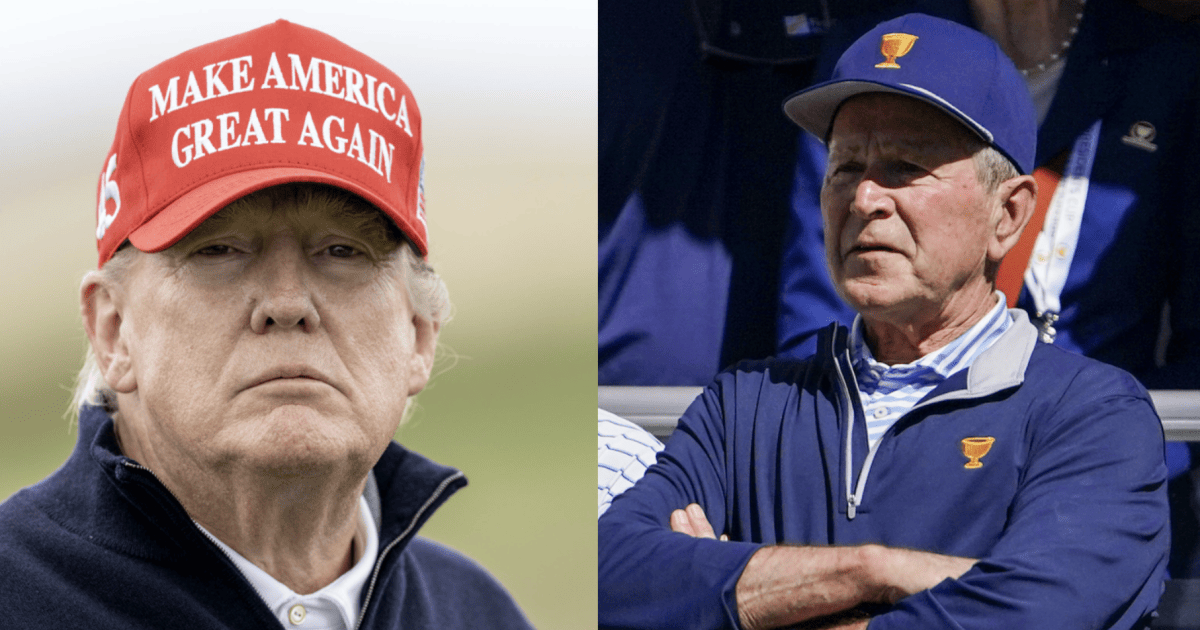
When it comes to presidential pastimes, golf has long been a favorite. But how a commander-in-chief approaches the game during times of national crisis can speak volumes. A striking contrast has emerged between two recent Republican presidents—Donald Trump and George W. Bush—revealing dramatically different philosophies about leadership, optics, and wartime solidarity.
Two Presidents, One Fairway, Diverging Paths
Both men served two terms, both led the nation into conflict in the Middle East, and both were known to enjoy hitting the links. Yet when American troops were engaged overseas, their approaches to the golf course couldn't have been more different. While President Trump has continued his regular golf outings during ongoing tensions with Iran, President Bush made a conscious decision to put his clubs away entirely during America's wars.

This divergence has sparked renewed conversation about what message a president's leisure activities send during periods of national sacrifice. The comparison gained fresh attention as Trump was recently spotted playing at his own courses, prompting critics to recall Bush's self-imposed golf moratorium during his administration's military engagements.
The Bush Doctrine: Solidarity Over Swings
For the 43rd president, the calculation was straightforward. "I don't want some mom whose son may have recently died to see the commander in chief playing golf," Bush told Politico, reflecting on his decision. He described a pivotal moment when he was pulled off a Texas golf course after learning of a tragic death in Baghdad. "I said, 'It's just not worth it anymore to do.' I feel I owe it to the families to be in solidarity as best as I can with them."
Bush's reasoning was clear: "I think playing golf during a war just sends the wrong signal." This stance represented a conscious choice to align his public image with the sacrifices being made by military families, even if it meant giving up a beloved recreational activity for the duration of the conflict.
Trump's Uninterrupted Game
President Trump, meanwhile, has maintained his golf schedule despite escalating tensions with Iran. The 45th president's continued appearances on the fairway have drawn criticism from various quarters, including former ESPN personality Rick Reilly, who has been vocal about what he sees as poor wartime optics. The contrast has become particularly pointed as the current administration navigates complex Middle Eastern diplomacy.
Fans and critics alike have flooded social media with reactions. "Telling moves by both," observed one commentator, while another offered a more pointed critique: "Trump thinks losing troops is like losing a golf ball! More in the bag!!" Supporters countered with declarations of loyalty, with one writing, "I'll stick with Trump. You can keep your Bush 43."
Interestingly, this isn't the first time Trump's mindset has drawn comparisons to athletes. Danica Patrick recently revealed a shared competitive drive with the former president, noting that a "fear of losing" fuels both political and athletic success. Meanwhile, Reilly's criticism of Trump's golf habits has added sports media firepower to the ongoing debate.
Beyond the Green: Broader Implications
The discussion extends beyond golf itself, touching on broader questions of presidential conduct during international crises. Trump has expressed confidence that the Iran conflict will conclude soon, but has given no indication he plans to alter his recreational habits regardless. This steadfast approach contrasts sharply not only with Bush's precedent but with traditional expectations of wartime austerity from national leaders.
The comparison between the two presidents' choices continues to resonate as America remains engaged in global conflicts. Whether viewed as a matter of personal principle, political messaging, or leadership style, the divergent approaches to presidential golf during wartime offer a revealing window into how different commanders-in-chief balance the burdens of office with the trappings of normalcy.
As debates about appropriate presidential conduct continue, this particular contrast between two golf-loving leaders serves as a compelling case study in how symbolic actions—or the absence thereof—can define a presidency's relationship with a nation at war.