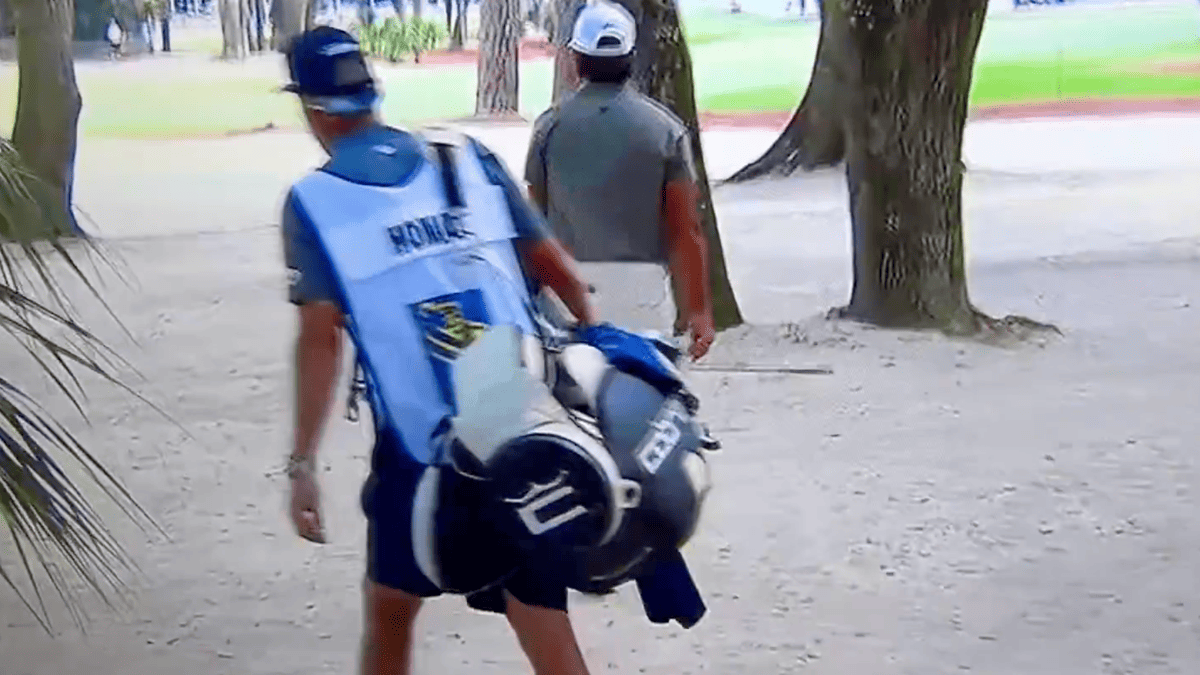
The usually unflappable Max Homa finds himself in the rough with fans and critics alike. A video that spread like wildfire across social media Sunday shows the PGA Tour fan favorite launching his club in frustration after a wayward shot from the trees at the RBC Heritage. The reaction was swift and severe, turning one of golf's most affable personalities into the center of a storm about sportsmanship and hypocrisy.
A Stark Contrast to His Stance on Sergio Garcia
What makes this incident particularly damaging is the timing. Just days earlier, Homa didn't hold back when asked about Masters competitor Sergio Garcia's own notorious temper. "I don't like when people break clubs. I don't like when people beat up the golf course because we deal with it, and I think the breaking clubs makes us look very, very spoiled," Homa stated firmly during a mid-week news conference. He elaborated on the fine line players walk, noting how actions on television are "graded a lot lower" than those away from the cameras.

Fast forward to Sunday, and Homa seemingly erased that line himself. The visual of his club toss is a direct contradiction to his own stated principles, creating an undeniable perception of a double standard. For a player who has built his brand on being relatable and grounded, this is a significant misstep.
Why an Apology Isn't Optional
An immediate public apology isn't just good PR—it's a necessity for Homa's credibility. He occupies a unique space in professional golf as one of the tour's most accessible and socially active stars. Young fans look up to him, and he frequently engages with the golf community both online and on the course. This kind of outburst sets a terrible example, suggesting that frustration justifies poor behavior, a lesson no aspiring golfer should learn.
The incident also casts a shadow on a Sunday packed with sports drama elsewhere. While fans were tuned into pivotal moments across the athletic world, Homa's meltdown became an unwanted headline. His actions stand in stark contrast to the professionalism expected at the highest level, especially from a player of his stature.
Regret is likely already setting in for Homa. The video is, frankly, embarrassing for a player known for his cool demeanor. But private regret isn't enough. The public nature of the transgression—and the very public stance he took days prior—demands a public response. He called out unprofessional behavior; now he must own it.
The Path Forward for a Fan Favorite
Homa has the chance to turn this into a teachable moment, much like when Kevin Kisner recently apologized for his critical comments about a rival broadcast. Accountability resonates. A sincere apology would acknowledge the mistake, address the hypocrisy, and reaffirm his commitment to the standards he himself outlined. It would show maturity and respect for the game and its fans.
Without it, this incident will linger. In an era where every moment is captured and dissected, authenticity is currency. Homa's previous criticism of Garcia now reads as judgmental, not principled, unless he holds himself to the same exacting standard. The golf world is watching to see if he will.
The hope is that Homa addresses this head-on. The final round at Hilton Head is over, but the conversation about his conduct is just beginning. A prompt and genuine apology is the only way to begin repairing the damage and restoring the reputation of one of golf's good guys. The ball, quite literally, is in his court.