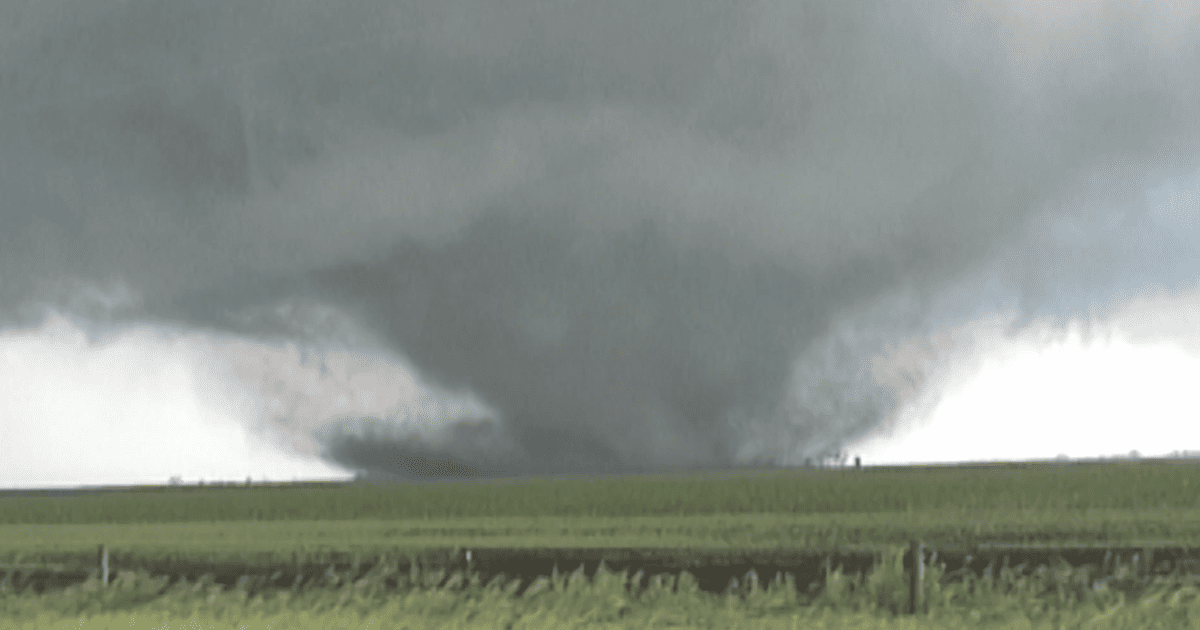
The calm before the storm is setting in across America's heartland as meteorological authorities sound the alarm for a potentially dangerous Thursday. The National Weather Service has issued urgent warnings for residents in four states to brace for a severe weather outbreak, with the primary threat being destructive tornadoes.
This severe weather event is forecast to impact a significant swath of the South and Midwest. The states directly in the potential path include Texas, Oklahoma, Arkansas, and Missouri. Forecasters indicate the system won't just bring tornadoes; it's expected to pack a full arsenal of severe conditions. Communities should prepare for significant thunderstorms, torrential rain, damaging straight-line winds, and the possibility of large, destructive hail.

Understanding the Threat Level
While tornadoes can occur year-round, this early March system has the atmospheric ingredients that meteorologists watch closely for significant severe weather development. The combination of warm, moist air from the Gulf of Mexico clashing with a strong cold front creates the perfect breeding ground for supercell thunderstorms—the type most likely to spawn tornadoes.
The National Weather Service's Storm Prediction Center often highlights these regions, known as "Tornado Alley" and the "Dixie Alley" extension, during the spring transition. Residents in these areas are no strangers to severe weather, but officials stress that complacency can be dangerous. Every storm system is unique, and preparation is key to safety.
Critical Safety Information
With the threat imminent, reviewing life-saving safety procedures is essential. Your number one tool is staying Weather-Ready. Continuously monitor local news broadcasts or a NOAA Weather Radio for the latest tornado watches and warnings. A "watch" means conditions are favorable; a "warning" means a tornado has been sighted or indicated by radar—it's time to take immediate action.
Where to Seek Shelter
At Home: If a tornado warning is issued for your area, move quickly to your basement, storm cellar, or a designated safe room. If you don't have one, go to an interior room on the lowest floor, away from windows—a bathroom or closet often works. Don't forget your pets if you have time to secure them safely.
At Work or School: Follow established tornado drill procedures immediately. Move calmly and quickly to the designated shelter area. Avoid large, open rooms like gymnasiums, cafeterias, or auditoriums, as their wide-span roofs are vulnerable.
If You're Outdoors or in a Vehicle: This is one of the most dangerous scenarios. If you see a tornado and can safely reach a sturdy building, do so immediately. Do not seek shelter in a mobile home, tent, shed, or storage facility. If you're in a car and cannot get to a building, options are limited and dangerous. Either abandon the vehicle for a low-lying ditch or ravine (covering your head), or as a last resort, stay in the car, get below window level, and cover up.
The key message from all emergency management officials is to have a plan before the skies darken. Know where you will go, how you will receive alerts, and what you will take with you. By taking these threats seriously and preparing in advance, residents in the affected states can significantly increase their safety during this severe weather event.