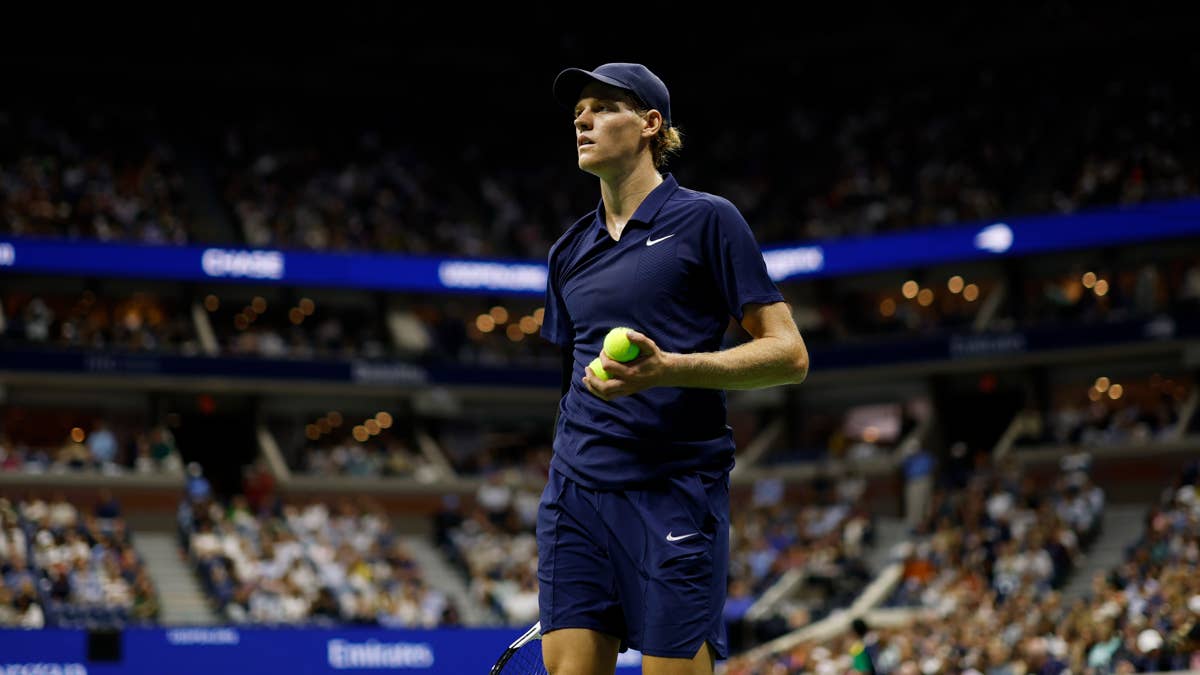
The 2026 US Open could face a major shakeup in its mixed doubles draw. According to a report from Tom Kershaw of The Times, world No. 1 Jannik Sinner and several other elite players are threatening to skip the event entirely. The reason? A simmering conflict over prize money distribution with Grand Slam tournament organizers.
This isn't a sudden flare-up. Tensions have been building for months. At Roland Garros earlier this year, women's world No. 1 Aryna Sabalenka and other stars cut their media obligations short as a form of protest. “I stand with my words. We just wanted to do it in a respectful way at the beginning,” Sabalenka explained at the time. “You guys know how much we respect you and appreciate you. It’s not your decision and it’s not about you. Just, we’re trying to fight for fair percentage.” Her stance echoed the broader frustration many players feel about pay equity in tennis.
The US Open introduced a revamped mixed doubles format in 2025, moving the event to the first week of the tournament. That shift drew big names like Carlos Alcaraz and Novak Djokovic, and the final saw Sara Errani and Andrea Vavassori successfully defend their title by defeating Iga Swiatek and Casper Ruud. But the star power that made last year's event so compelling could vanish if the boycott goes through.
Wimbledon has already sidestepped a similar crisis. The All England Club announced a 20% increase in total prize money for this year's championships. “I would hope the players would welcome it. It’s a significant amount of money,” said All England Club chair Deborah Jevans. “We’ve demonstrated that we’ve looked at every round, including qualifying. My hope is that the players do recognize what a significant increase that this is.” That move has put pressure on the US Open to follow suit.
The US Open, held annually in Flushing, New York, generates massive revenue from tickets, sponsorships, and broadcast rights. Yet players argue that the prize money split for mixed doubles—especially compared to singles—doesn't reflect the time, effort, and star appeal they bring. The potential boycott isn't just about one event; it's part of a broader push for fair compensation across all levels of the sport.
For now, the tournament is still more than two months away, giving organizers time to negotiate. But the clock is ticking. If top players like Sinner, Sabalenka, and others follow through on their threat, the mixed doubles draw could lose its luster—and the US Open might have to answer some tough questions about how it values its athletes.
The stakes go beyond one tournament. This dispute highlights a growing divide between players and Grand Slam organizers over revenue sharing. As the sport's popularity surges, athletes are demanding a bigger slice of the pie. The US Open, which has no shortage of cash, may need to decide whether it wants to keep its biggest stars in the game—or watch them walk away.