Sports fans and outdoor enthusiasts across America's heartland need to keep one eye on the sky this week. The National Weather Service has issued a stark warning about a significant severe weather pattern developing, one that could disrupt everything from little league games to major outdoor sporting events across a wide swath of the country.
A Multi-Day Atmospheric Showdown
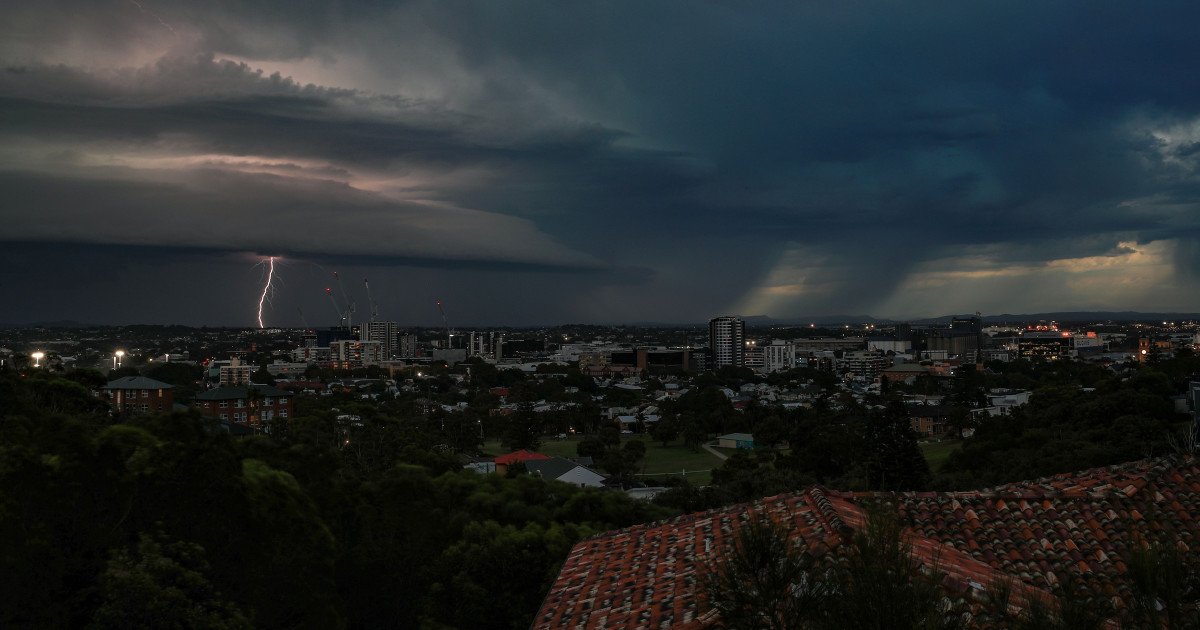
Forecasters are tracking what they describe as "an extended period of active severe weather" likely to unfold from Wednesday straight through Saturday. The primary concern is a "level 2 out of 5 risk"—categorized as "slight" but significant—for severe thunderstorms capable of producing damaging winds, large hail, frequent lightning, and even tornadoes. While the precise timing and intensity remain uncertain, the atmospheric setup suggests a prolonged bout of volatile conditions.

The alert zone spans a classic Tornado Alley corridor, putting millions on alert. The six states in the crosshairs are Texas, Oklahoma, Arkansas, Kansas, Missouri, and Nebraska. This region is not only agriculturally vital but also a hotbed for community sports, high school athletics, and outdoor recreation, making the forecast particularly relevant for the sports community.
Safety First: A Game Plan for Severe Storms
When extreme weather threatens, having a game plan is as crucial as any sports strategy. The key is to stay "Weather Ready" by monitoring local news or a NOAA Weather Radio for the latest watches and warnings. If you hear a severe thunderstorm warning, it's time to execute your safety play immediately.
At Home: Your secure location is your goal line. Head there immediately if a warning is issued, as damaging wind or large hail may be imminent. Don't forget your teammates—take your pets with you if time allows.
At Work or School: Avoid windows and steer clear of large, open rooms like cafeterias, gymnasiums, or auditoriums. These spaces can be dangerous during high winds.
Outdoors: This is no time to tough it out. Get inside a sturdy building immediately. Sheds, storage facilities, or standing under a tree are not safe options—a falling tree can be deadly, and it increases your risk of a lightning strike.
In a Vehicle: While a car is safer than being outside, it's not a fortress. If you have sufficient time, drive to the closest secure shelter. Otherwise, stay put with your seatbelt on, avoiding overpasses.
The Bigger Picture for Sports
This developing weather situation serves as a critical reminder for event organizers, athletes, and fans. Spring and early summer are peak seasons for severe weather in this region, coinciding with baseball, soccer, track and field, and golf schedules. Proactive communication and clear safety protocols are essential for any outdoor event. Postponements or cancellations, while disappointing, are a small price to pay for safety.
The coming days will test the preparedness of communities from the plains of Nebraska to the hills of Arkansas. By staying informed, having a plan, and respecting the power of nature, everyone can navigate this stormy stretch safely. Keep your devices charged, your weather apps updated, and be ready to call an audible on your plans if the skies turn threatening.