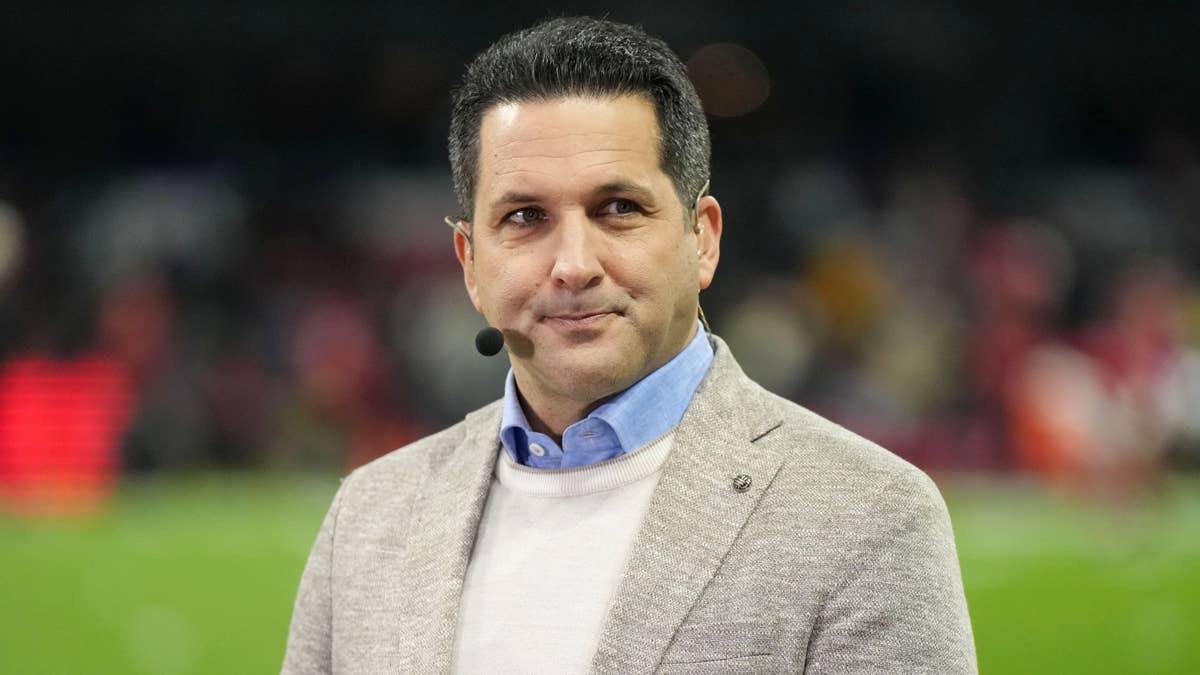
ESPN's NFL insider Adam Schefter is no stranger to big paydays, but his latest windfall has nothing to do with breaking news. The veteran reporter was an early investor in Underdog, a sports gambling and prediction market company that just sold for a whopping $1.2 billion. While that's a savvy financial move for Schefter, it's also raising eyebrows about whether journalists should be cashing in on the very industry they cover.
Front Office Sports confirmed that Schefter put money into Underdog during its early stages, though the investment was described as "small." An Underdog spokesperson told the outlet, "Underdog confirms Schefter was an early-stage investor." ESPN declined to comment on the matter. Since that initial stake, Schefter has had no further involvement with the company or its operations, per sources.
The timing couldn't be more awkward. Schefter, who recently locked in a long-term extension with ESPN, is one of the most influential reporters in football. His every tweet moves markets—both in fantasy and real-world betting. Now, critics are asking: if he profits from a company that thrives on betting, can his reporting stay unbiased?
The Conflict of Interest Question
At the heart of the backlash is a simple but thorny issue: should journalists be allowed to invest in companies that profit from the sports they cover? Former ESPN reporter Joon Lee didn't mince words on social media, writing, "Someone who makes a living breaking news should not directly make money from a company where people bet on breaking news."
Lee's point cuts deep. Underdog's platform allows users to bet on everything from game outcomes to off-field storylines—essentially wagering on news itself. For a reporter whose job is to deliver that news, having a financial stake in the house that takes those bets feels like a conflict waiting to happen.
Fans were quick to pile on. "It appears sports are pretty much WWE at this point. Not completely rigged but we know who is going over," one commenter wrote. Another added, "Preach! No conflict of interest."
Defending the Investment
Schefter hasn't responded publicly, but his defenders might argue that a small, early-stage investment is harmless—especially if he had no role in the company's operations. After all, many media personalities dabble in business ventures outside their day jobs. But in an era where sports gambling is exploding in popularity, the optics are hard to ignore.
This isn't the first time Schefter has faced scrutiny over his off-field dealings. He's previously been criticized for missing a major story about 49ers coach Kyle Shanahan, and his relationship with sources has always been a topic of debate. Now, with a direct financial tie to a betting company, the questions are only getting louder.
A Growing Trend in Sports Media
Schefter isn't alone in straddling the line between journalism and the gambling industry. As sports betting becomes more mainstream, media companies are increasingly partnering with oddsmakers and prediction markets. But for individual reporters, the stakes are higher—their credibility depends on being seen as impartial.
Some might argue that if Schefter's investment was truly small and he had no say in operations, the conflict is minimal. But in the court of public opinion, perception often matters more than reality. The fact that he profited from a company whose product relies on the very news he breaks is a bad look, whether or not he ever acted unethically.
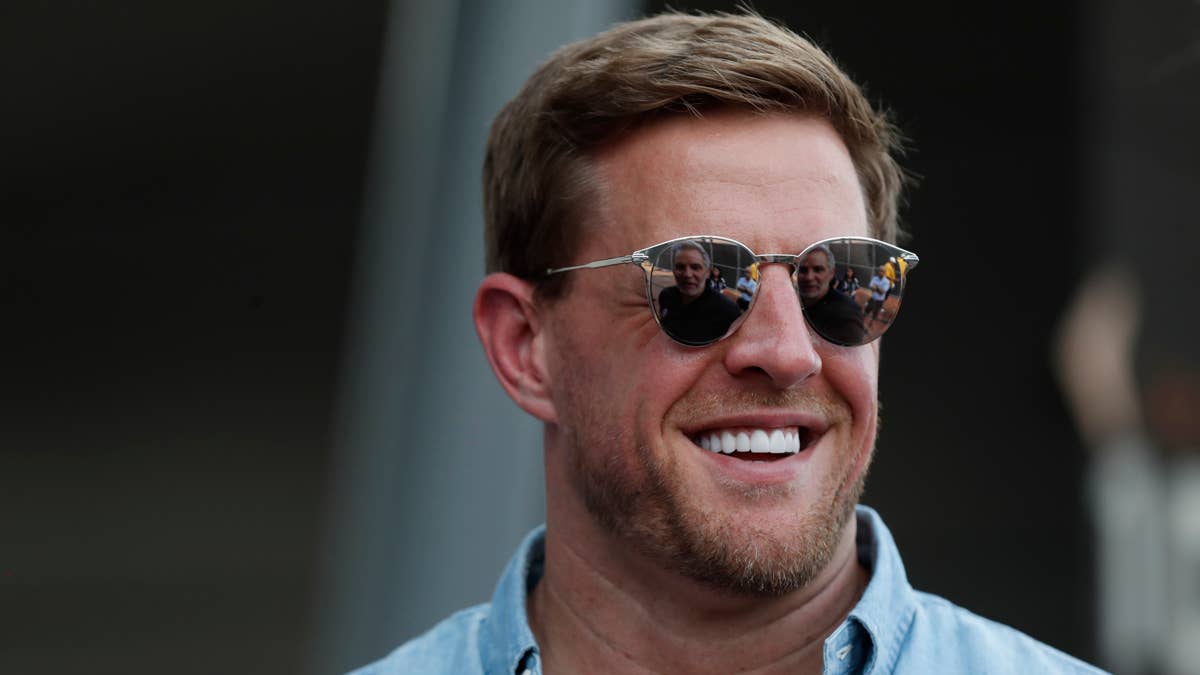
This debate echoes broader questions about the commercialization of sports and where the line between business and integrity lies. While Alexi Lalas might celebrate the profits, many fans and journalists aren't ready to embrace that mindset when it comes to news coverage.
So, what's the verdict? Should Schefter be allowed to keep his investment, or should sports reporters be barred from betting-related ventures altogether? It's a question that won't go away anytime soon—especially as the money in sports gambling continues to grow.
For now, Schefter's bank account is looking healthier than ever, but his reputation may have taken a hit. In a world where trust in media is already fragile, this is a reminder that every business move a journalist makes can have consequences far beyond the bottom line.