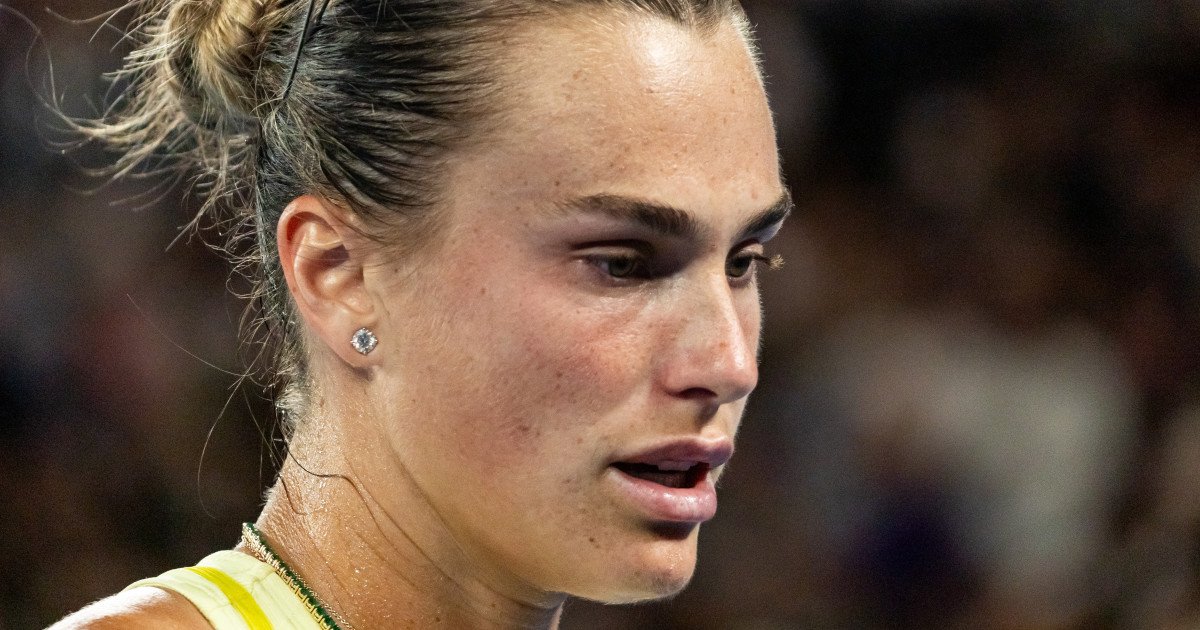
The world's top-ranked women's tennis player, Aryna Sabalenka, has launched a fierce counterattack against a prominent tournament director, throwing her future participation in a major WTA event into serious question. The dispute stems from comments made after Sabalenka withdrew from last month's Dubai Championships.
Director's Criticism Sparks Firestorm
Following the withdrawals of Sabalenka and fellow star Iga Swiatek, Dubai Duty Free Tennis Championships director Salah Tahlak voiced strong disapproval. He labeled the last-minute pullouts "an unfortunate surprise" and questioned the reasons given, which included a minor injury for Sabalenka. Tahlak didn't stop there; he publicly advocated for stricter penalties beyond financial fines, suggesting players should face deductions in their precious WTA ranking points for withdrawing from tournaments.
"I think there should be a harsher punishment on the players," Tahlak stated, arguing the current system isn't a sufficient deterrent for top athletes who decide not to compete.
Sabalenka's Blunt Response
Sabalenka did not take the criticism lightly. In a fiery response to media this week, the reigning US Open champion labeled Tahlak's stance as "ridiculous" and expressed deep disappointment. Her most striking comment cast a long shadow over the tournament's future: "I'm not sure if I ever want to go back there after his comment."
She accused the tournament leadership of prioritizing profits over player welfare. "It's actually so sad to see that the tournament director and the tournaments are not protecting us, as the players," Sabalenka said. "They just care about their sales, about their tournament, and that's it." This public rift highlights the ongoing tension between player health management and tournament commercial interests.
A Clash of Perspectives
The core of the conflict lies in a fundamental disagreement over accountability. Tournament directors like Tahlak rely on star power to sell tickets and attract global broadcasts. When a marquee name like Sabalenka withdraws, it represents a significant commercial blow. The call for ranking point penalties is seen by some as a way to ensure commitment.
However, from the player's perspective, managing a grueling year-round schedule is paramount. Sabalenka's point underscores a belief that tournaments should support athletes making tough calls about their physical and mental readiness, not punish them. This isn't an isolated issue in tennis; managing player loads is a constant challenge, much like how a scorching March heat wave threatens outdoor sports schedules and athlete safety in other arenas.
The Stakes for Dubai
Annoying the world No. 1 is a risky strategy. Sabalenka has been a dominant force, capturing four Grand Slam titles since 2023 and consistently reaching the latter stages of premier tournaments. Her absence would diminish the prestige and competitive depth of any event. While the Dubai Championships remains a popular stop, losing a player of Sabalenka's caliber could influence other top players' perceptions and decisions.
The situation also brings player-tournament relations into sharp focus. As other sports navigate their own controversies, such as the uproar over ESPN's AI blunder during women's basketball coverage, transparency and respect remain critical. Sabalenka's reaction suggests she felt publicly disrespected by an official who should be a partner.
Broader Implications for the Tour
This public spat raises larger questions for the WTA tour. Should there be a standardized, more severe penalty system for withdrawals, as Tahlak suggests? Or does such a policy risk forcing injured or burnt-out players to compete, potentially leading to worse outcomes? The health of stars is the tour's greatest asset, and their long-term viability must be protected.
Sabalenka's strong stance may empower other players to speak out on similar issues. The power dynamic between tournaments and independent athletes is always delicate. As the sport evolves, finding a balance that safeguards both the commercial success of events and the well-being of its competitors is essential. This incident serves as a stark reminder that in the high-stakes world of professional sports, words from officials can have major consequences, potentially altering the landscape of the tour itself.