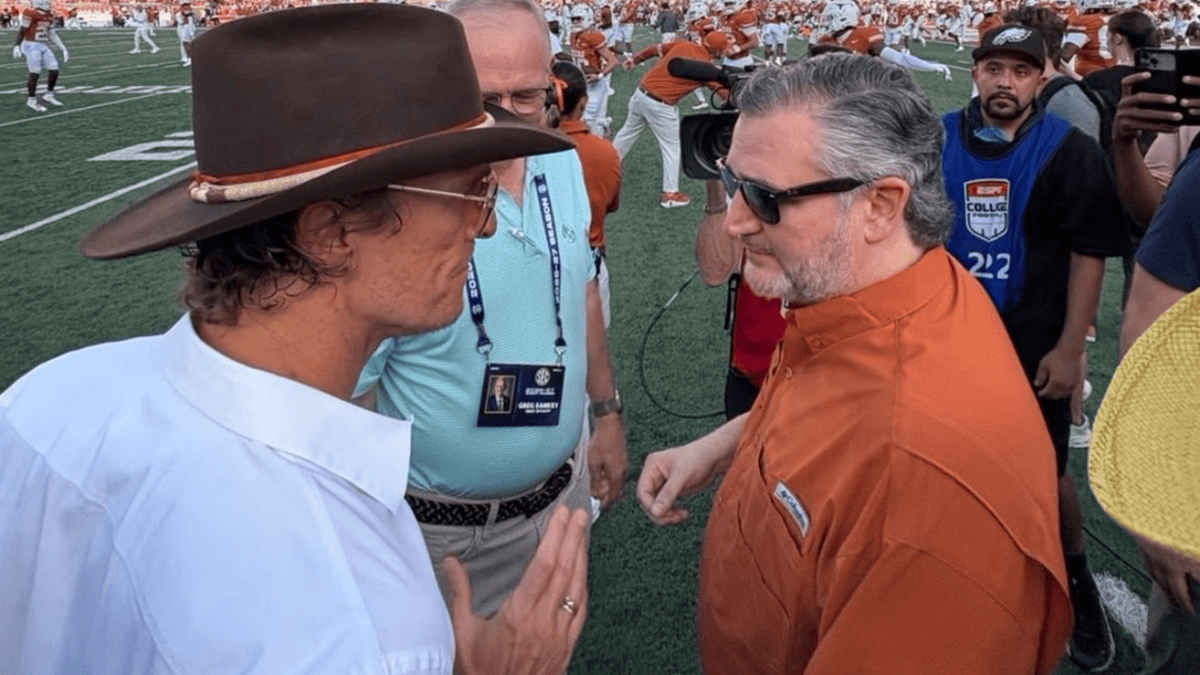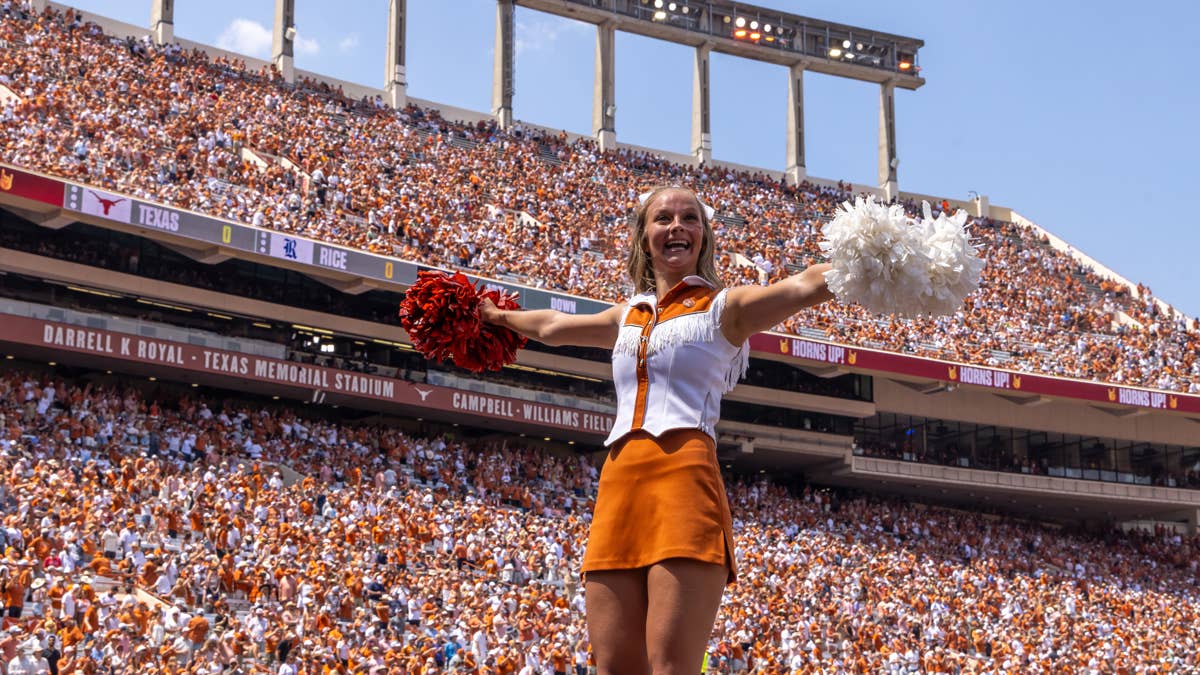
College football Saturday nights are supposed to be appointment viewing, but fans are increasingly left staring at their screens, wondering why the game hasn't started. The latest frustration came during the marquee matchup between Ohio State and Texas, when the 7:30 p.m. ET kickoff turned into a 7:50 or even 8 p.m. start. The reason? More commercials, of course.
The discrepancy between advertised and actual kickoff times has become a recurring annoyance for fans, and this week's prime-time showdown was the final straw for many. Social media erupted with complaints, with one fan writing, "Why are kickoff times being delayed for no reason? Ohio State at Texas says 7:30, then why is it kicking off at 7:50?? When the Bama at Kentucky game ended perfectly on time, that is ridiculous."

Another frustrated viewer added, "That's 20+ more minutes of commercials. They do this for most OSU games. It drives me nuts." The sentiment was echoed by many, with some suggesting that ESPN should just schedule games for 8:10 p.m. ET if that's when they actually intend to start. "It's so misleading," one fan summed up.
This isn't just a one-off issue. College football has a documented history of kickoff times slipping, often due to network overruns or deliberate delays to maximize ad revenue. The NFL, by contrast, is a model of punctuality. When a game is listed for 1 p.m. ET, it starts at 1 p.m. ET. The same goes for 4:25 p.m. ET games. Fans can set their watches by the NFL, but in college football, the advertised time is more of a suggestion.
The problem has become so pervasive that it's now a source of mockery and frustration across the sport. Two weeks into the 2026 season, and fans are already calling for change. The recent controversy over ESPN pulling a top-25 matchup for the US Open only adds to the perception that the network prioritizes its own interests over fan experience.
This isn't just about a few minutes of delay. For fans who plan their entire day around a game, a 20-30 minute shift can be a real inconvenience. It also feels like a slap in the face when the delay is purely for commercial purposes. As one fan put it, "Just make them 8:10 starts for prime time Saturday night game."
The issue has even drawn attention to broader questions about how college football games are managed, especially in high-stakes matchups. While the focus is often on on-field decisions, the off-field scheduling chaos is equally frustrating.
ESPN has yet to respond to the backlash, but the pattern is unlikely to change unless networks feel pressure from fans and perhaps even advertisers. Until then, college football fans will continue to set their DVRs for 7:30 p.m. and miss the first few minutes of the action. It's a frustrating reality, but one that seems here to stay.
As the season progresses, it remains to be seen if the NCAA or conferences will step in to enforce stricter start times. For now, fans can only hope that the networks will listen to the growing chorus of complaints. After all, it's the viewers who make these broadcasts possible, and they deserve better than a bait-and-switch.