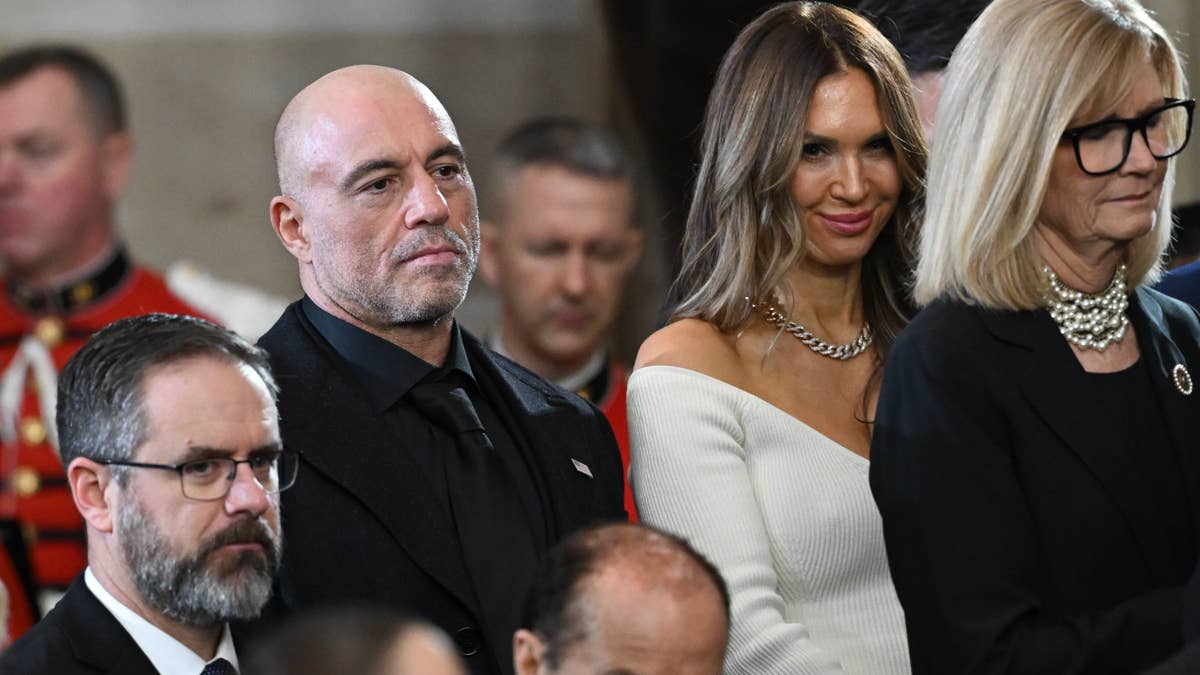
Joe Rogan, the powerhouse UFC commentator and podcast king, stepped into the White House spotlight over the weekend—but it wasn't just the policy that had people talking. Rogan joined President Donald Trump for the signing of an executive order aimed at fast-tracking research into psychedelic drugs for mental health treatment, a move the President said would help "reclaim lives." Yet, amidst the formal ceremony, Rogan's wardrobe became the unexpected headline.
The story behind the policy is almost as unconventional as the reaction to Rogan's clothes. According to Rogan, he first learned about the potential of these treatments during a podcast recording. Intrigued, he forwarded the information directly to Trump. The response was swift and characteristically direct: "Sounds great. Do you want FDA approval? Let's do it." This informal exchange highlights the unique, media-driven pathways influencing modern policy.
However, the focus quickly shifted from mental health breakthroughs to menswear. Rogan arrived at the event in a simple black dress shirt, notably without a suit jacket or tie, standing out sharply against the sea of formal attire behind the President. This sartorial choice ignited a firestorm on social media, with critics calling the look a sign of disrespect for the office and the setting.
"Cool but would it have killed Rogan to put on a suit for this?" wrote one prominent online voice, capturing the sentiment of many. Others were less forgiving, flatly labeling the choice "disrespectful to not wear a suit inside the White House." The debate echoes past controversies over attire at 1600 Pennsylvania Avenue, recalling when Ukraine's President Volodymyr Zelenskyy faced similar scrutiny for a more casual meeting with Trump.
Fans rushed to Rogan's defense, with one noting pointedly, "His country is not being invaded by Russia so it's ok," drawing a contrast between the two incidents. The divide highlights a recurring cultural clash: the established protocols of official Washington versus the more relaxed, personal-brand-driven style of influential media figures. It's a tension we've seen play out elsewhere, like when a Masters fashion rebel clapped back at critics over their tournament outfit, or the buzz around Paige Spiranac's style stealing the show at Augusta.
The incident raises a broader question about modern celebrity and political access. Rogan's presence at the signing underscores his immense influence, capable of moving information from a podcast studio to the President's desk in a text message. Yet, his casual attire suggests a deliberate maintenance of his "everyman" persona, even in the most formal of institutions. It's a balancing act between access and authenticity.
This isn't the first time a sports or media personality's White House visit has made waves. The dynamic recalls Danica Patrick's direct pitch to Trump blending UFC fandom with a personal invitation. These moments blur the lines between sports, entertainment, and politics, creating a new kind of Washington spectacle.
Ultimately, the controversy may say more about the observers than the observed. In an era where political discourse is often conducted in 280-character bursts, a missing suit jacket can sometimes overshadow substantive policy. While researchers may see new hope for mental health treatments, the online conversation was dominated by a simple question: Should Joe Rogan have suited up? For his critics, the answer is a resounding yes. For Rogan and his supporters, the message sent—and the policy advanced—might just be more important than the shirt on his back.