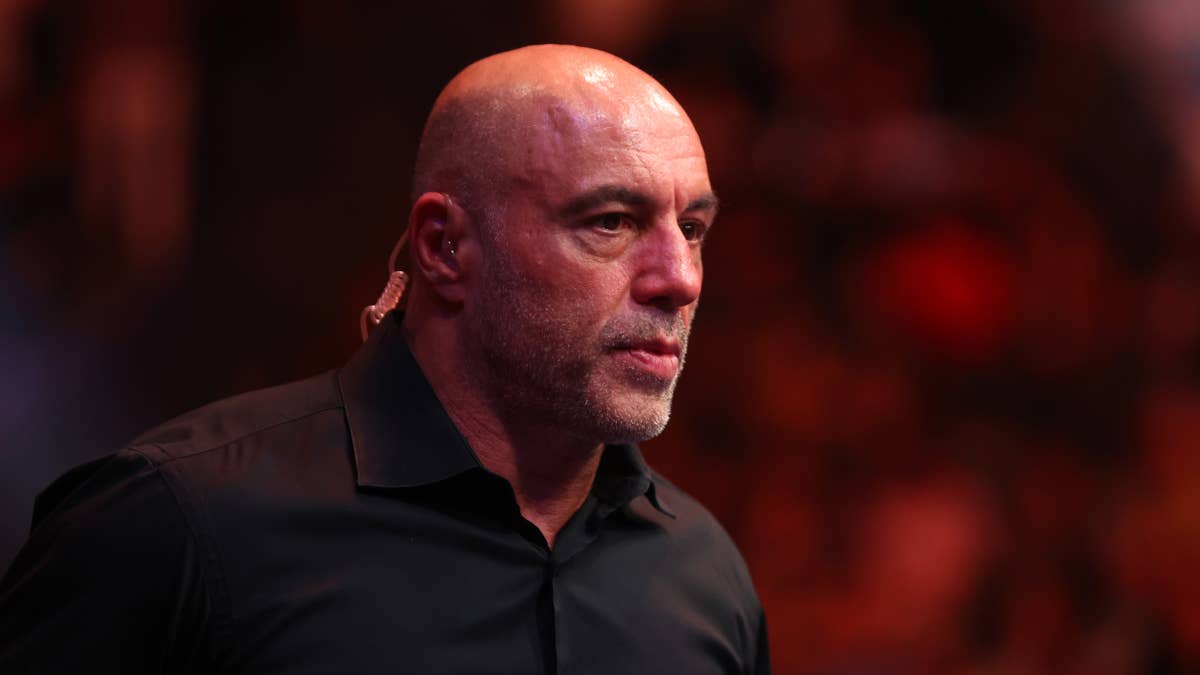
When Joe Rogan walked into the White House this weekend, he wasn't just there for a historic policy announcement. The UFC commentator and podcast giant instantly became the center of a sartorial firestorm, choosing to forgo the traditional suit and tie in favor of a more casual black dress shirt and slacks. The move, during a ceremony where President Trump signed an executive order on psychedelic research for mental health treatment, has the sports world buzzing about more than just policy.
A Ceremony Overshadowed by Style
Rogan was present as President Trump formalized a commitment to research certain psychedelic drugs for treating mental health disorders. "Today's order will ensure that people suffering from debilitating symptoms might finally have a chance to reclaim their lives and lead a happier life," the President stated. Rogan, who had personally advocated for the action, revealed the process was remarkably swift: "I sent him that information. The text message that came back: 'Sounds great. Do you want FDA approval? Let's do it.' Literally that quick."
Yet, for many observers, the groundbreaking nature of the event was momentarily eclipsed by a single, simple question: Where was Rogan's suit?
The Internet Weighs In: Respect or Rebellion?
The reaction online was immediate and polarized. A vocal contingent of fans and critics took to social media to question the choice, framing it as a breach of protocol and a sign of disrespect for the office of the President.
"Doesn't Rogan own a suit?" one fan pointedly asked, while another demanded, "Why doesn't Joe Rogan wear a suit? He's in the highest level of this country's office, and he refuses to wear a suit?" The criticism grew sharper, with one comment reading, "No tie. No suit. No respect for the office. Just a high & mighty countenance." Some even called for a rant from Barstool Sports' Dave Portnoy, known for his strong opinions on matters of tradition.
However, Rogan's choice found its defenders. A significant portion of the audience pushed back against the formalwear fuss. "He still looked good. Who cares," one supporter shared, with another simply stating, "It's not that important." This divide highlights a recurring tension in sports culture between established tradition and individual expression, a debate we've seen flare up in other contexts, like when a Masters fashion rebel claps back at critics or when celebration culture sparks debate.
More Than Just Clothes
This incident taps into a larger conversation about the evolving norms for public figures, especially those who bridge the worlds of sports, media, and politics. Rogan, a figure who has built his brand on authenticity and challenging conventions, arguably stayed true to his persona. The debate asks whether the White House demands a universal standard of dress or if there's room for the personal brand of high-profile guests.
It's a style of controversy that feels familiar in today's sports media landscape, where personal presentation is constantly scrutinized. Similar discussions erupt around media exits sparking sexism debates or when double standards in questioning athletes come to light. The core question remains: where is the line between personal freedom and professional respect?
While the executive order on psychedelic research represents a significant policy shift, the immediate aftermath was dominated by threads about tailoring. Whether seen as a confident rejection of stuffy norms or a glaring faux pas, Rogan's outfit choice proved one thing: in the arena of public opinion, sometimes what you wear speaks as loudly as why you're there.