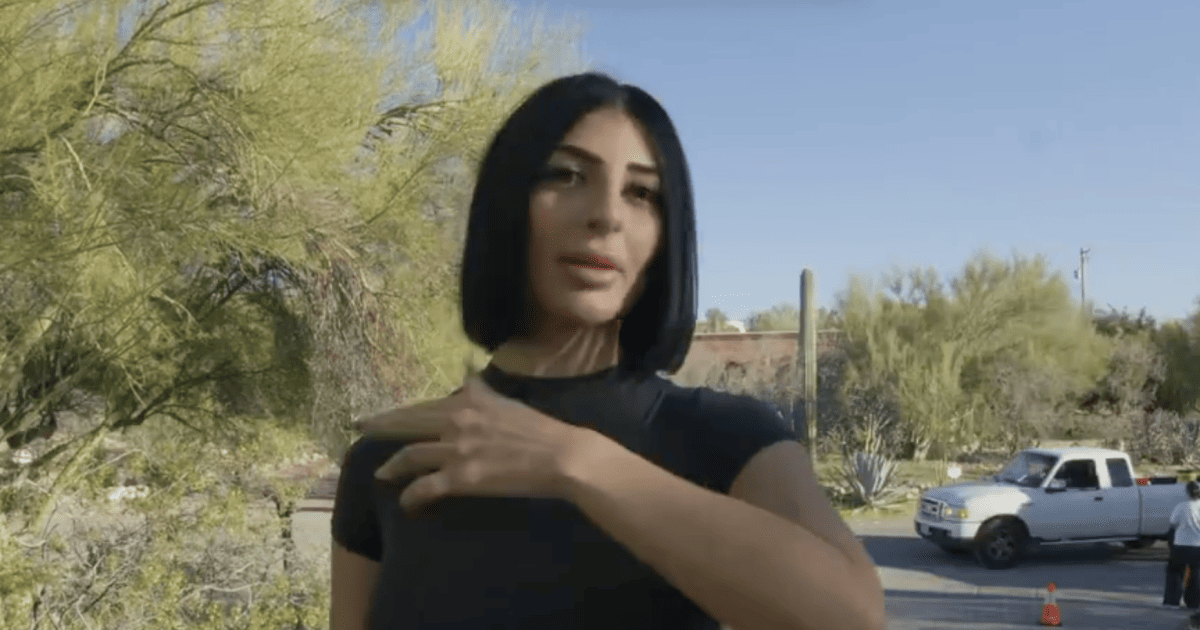
In the world of true crime reporting, the story is supposed to be the crime. But this week, the narrative took a sharp turn toward the reporter herself. A journalist covering the unsolved case of Nancy Guthrie in Tucson, Arizona, has found herself at the center of a social media firestorm, not for her findings, but for her fashion.
Outfit Overshadows Investigation
While reporting outside Guthrie's home, a reporter known online as Kiki was photographed in an outfit that quickly drew intense scrutiny. The images, shared by another investigative journalist known as JLR Investigates, went viral on X (formerly Twitter), with the caption noting her arrival at the location. Almost instantly, the online court of public opinion was in session, and the verdict was harsh.

The criticism was swift and severe. Commenters flooded the post with labels like "inappropriate" and "classless." Many expressed dismay, with one user writing, "Can't believe this. Feel so bad for the family," while another simply added, "How awful." The focus had abruptly shifted from a years-old cold case to a modern-day debate about professionalism and respect at a sensitive location.
A Defiant Response
Kiki, who goes by @iamghostgrl on social media, did not take the criticism lying down. She fired back with a pointed defense of her actions. Dismissing the notion she was conducting a photoshoot, she explained she was capturing a thumbnail image for her own channel's coverage. "Not sure if you know how to do that," she retorted to critics, "I know technology is difficult for you boomers."
Her clapback didn't stop there. In a bold strategic move, she turned the tables on her initial critic. "I have to say thank you JLR," she wrote. "You successfully turned all the attention from Nancy Guthrie & diverted it to me! I think the FBI would applaud you for your job well done! While you were focusing all your attention on me, I was reporting the facts & raising awareness in my own video."
This statement reframed the entire controversy, positioning the outfit criticism as a distraction from the core mission: seeking justice for Nancy Guthrie. It raised a compelling question about modern media—where should the line be drawn between a reporter's personal presentation and their professional duty?
The Bigger Picture: A Cold Case Goes Viral
The Nancy Guthrie case itself remains a haunting mystery, a cold case that continues to puzzle investigators. The sudden viral attention, albeit for an unexpected reason, has paradoxically thrust the story back into the public eye. Kiki's central argument is that any awareness is good awareness when it comes to unsolved crimes, suggesting that the debate over her attire, while heated, ultimately serves the broader goal of keeping the investigation alive.
This incident highlights the evolving and often contentious landscape of digital journalism, where independent reporters and influencers operate alongside traditional media. The clash between established norms of somber, respectful crime scene reporting and a more personalized, attention-grabbing approach from online creators is now on full display. The audience itself is left to judge not only the case but the methods used to cover it.
As the online debate rages between accusations of disrespect and defenses of modern reporting tactics, one thing is clear: the story of Nancy Guthrie has found a new, controversial chapter. Whether this leads to renewed investigative leads or simply remains a footnote about media ethics, the conversation has been ignited, proving that in today's news cycle, the messenger can sometimes become the message.