The clock is ticking for the WNBA, and the sound is growing louder. With the anticipated tip-off of the 2026 season just days away, a critical new Collective Bargaining Agreement remains unsigned, casting a long shadow over the league's immediate future. In the midst of this high-pressure standoff, a leading voice has issued a sobering public assessment of the potential nuclear option.
A Stark Warning From a Star
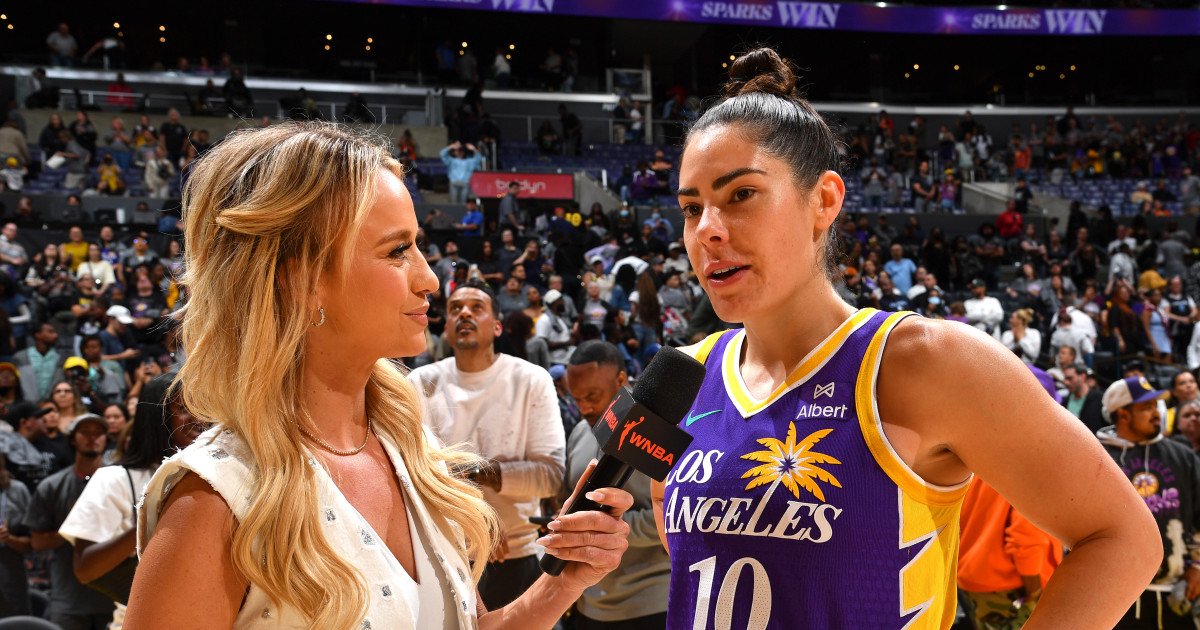
Los Angeles Sparks guard and WNBPA Vice President Kelsey Plum has delivered a blunt message to all sides involved in the tense negotiations. "A strike would be the worst thing for both sides," Plum stated emphatically. She clarified that the desire to compete is universal among players, but the financial reality of the league's revenue-sharing model makes a work stoppage perilous. "We are in a revenue [share system], so no revenue, no revenue to share," she explained, underscoring that a canceled season would halt the financial pipeline for everyone.
Public Backlash and Player Leverage
The stalled talks have not played well in the court of public opinion, where a segment of basketball fans has been fiercely critical of the players' union. Online sentiment reveals a belief that the WNBPA is overplaying its hand, with commentators suggesting the players should accept the owners' terms and be thankful for the opportunity. One critic argued the union's leadership is hard to take seriously, while others bluntly stated the players possess "zero leverage" and that the public would largely be indifferent to a strike, making it an ineffective tactic.
This external pressure adds another layer of complexity to an already delicate situation. The union is fighting for what it believes is a fair share of the league's growing revenue, but must balance that fight against the risk of alienating the fanbase that has propelled the WNBA to new heights of popularity.
The Stakes Could Not Be Higher
Beyond the immediate loss of games, experts are sounding alarms about an existential threat. There is significant speculation that missing an entire season in 2026 could potentially doom the WNBA. The league operates with a web of television contracts, sponsorship agreements, and partnership deals that are contingent on a product being on the floor. A prolonged absence could breach these contracts, leading partners to walk away—some possibly for good.
The momentum the WNBA has built through record viewership, iconic star power, and expanding media rights deals hangs in the balance. A lost season wouldn't just pause progress; it could trigger a devastating reversal, unraveling years of hard-won growth and stability.
The Path Forward
Despite the dire warnings, the focus remains on finding a resolution. Plum affirmed that the players' side is committed to the process, stating, "We're going to continue to negotiate and do everything we possibly can to get this done in a timely fashion." The core issue reportedly revolves around the division of revenue, with a relatively narrow but critical financial gap separating the two parties.
The coming days are pivotal. The league, its players, and its fans are all waiting to see if compromise can be found before the window for a normal season closes. The message from one of the WNBA's most prominent players is clear: everyone loses if the ball stops bouncing. The pressure is now on negotiators to ensure that doesn't happen.