The National Weather Service has raised a red flag for the Pacific as Hurricane Fausto churns toward Hawaii. While the storm is losing steam, officials are urging everyone along the coast to stay sharp — because this system still packs a punch.
In an update released Monday, forecasters warned that Fausto, though weakening, will generate massive swells, dangerous winds, and life-threatening conditions along exposed shorelines. The storm is expected to pass north of the Hawaiian Islands this week, but that doesn't mean the islands are off the hook.

“Fausto is expected to continue weakening as it approaches the Hawaiian Islands this week. Although the current forecast indicates that the strongest winds and heaviest rainfall will remain north of the islands, interests across Hawaii should continue to monitor the progress of Fausto,” the warning states.
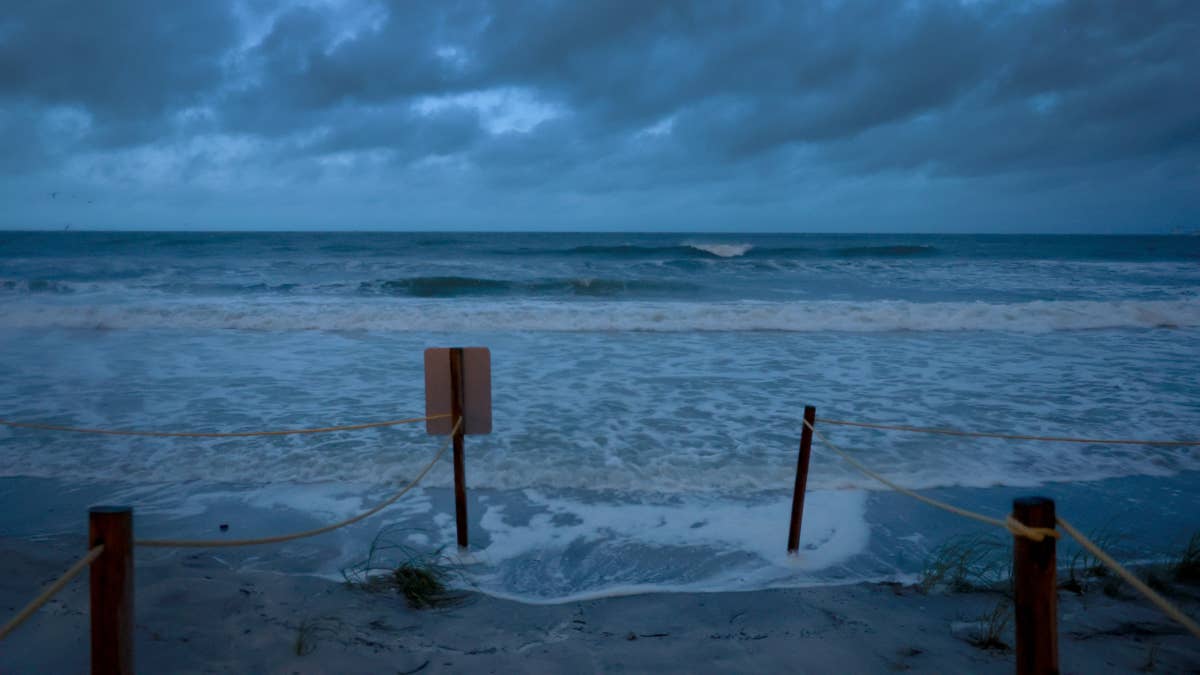
The biggest concern? The ocean. The National Weather Service emphasized that “surf generated by Fausto will continue to build westward across Hawaii along exposed east-facing shores through Tuesday as Fausto approaches and begins to pass north of the islands. Large surf and strong currents will lead to dangerous conditions along exposed shores.”
This isn't just another storm bulletin. The agency is telling residents and visitors alike to check local forecasts and heed all warnings. In a region where beachgoers and surfers are a daily fixture, the risk of dangerous rip currents is especially high. Even if the sun is shining, the ocean can turn deadly in a flash.
Hurricanes don't just threaten with wind. The real killers are often the water hazards they leave in their wake. Storm surge — the abnormal rise of water pushed ashore by a storm's winds — has historically been the leading cause of hurricane-related deaths in the U.S. It can travel miles inland, swallowing bays, rivers, and estuaries. Add to that the pounding waves and you've got a recipe for coastal devastation.
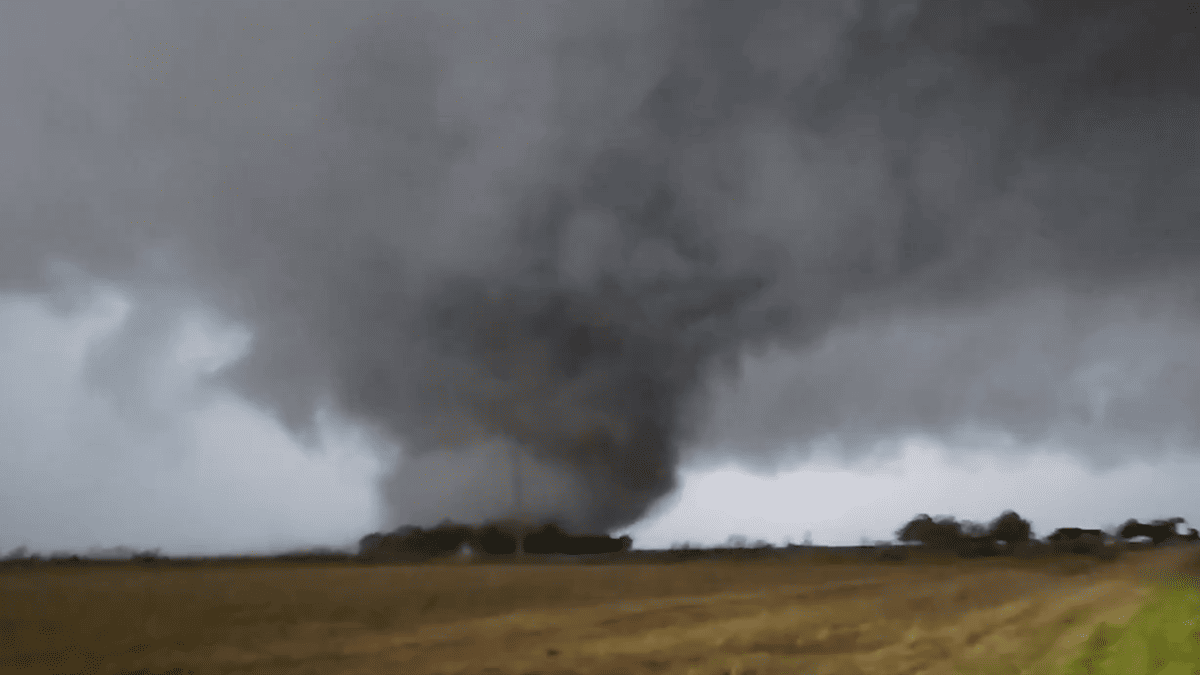
Flooding from heavy rains is the second biggest threat. Even after Fausto passes, inland areas could see torrential downpours that linger for days. And let's not forget the wind: hurricane-force gusts can rip roofs off homes, turn patio furniture into projectiles, and flatten manufactured homes. Tornadoes can also spin up in the storm's outer bands, often far from the center.
For mariners and coastal residents, the danger extends well beyond the storm's immediate path. Powerful waves generated by Fausto can create deadly conditions even when the storm is more than 1,000 miles offshore. That's what makes this beach safety warning so critical — it's not just about the storm itself, but the ripple effects across the entire Pacific basin.
As Fausto continues its journey, officials are asking everyone in Hawaii and the broader U.S. Pacific region to stay alert, monitor local weather updates, and avoid unnecessary risks. The ocean is not a playground right now — it's a hazard zone.
Stay safe, stay informed, and don't let your guard down just because the storm is weakening. In the Pacific, the biggest waves often come after the clouds clear.