A political storm is brewing in the Pacific Northwest that could fundamentally reshape the relationship between Oregonians and the great outdoors. A proposed ballot initiative, known as IP28 or the People for the Elimination of Animal Cruelty Exemptions Act, is setting its sights on a monumental target: removing long-standing legal protections for hunting, fishing, and animal agriculture. If successful, the measure would reclassify these activities as potential criminal acts under animal abuse statutes.
The Heart of the Controversy
The initiative's core mechanism is simple yet seismic. It seeks to strip away specific exemptions within Oregon's animal protection laws that currently shield lawful hunting, fishing, trapping, and standard farming practices from being prosecuted as animal cruelty. Proponents argue this is a necessary step toward a more ethical society, while opponents see it as a direct assault on deeply ingrained cultural and economic pillars of the state.

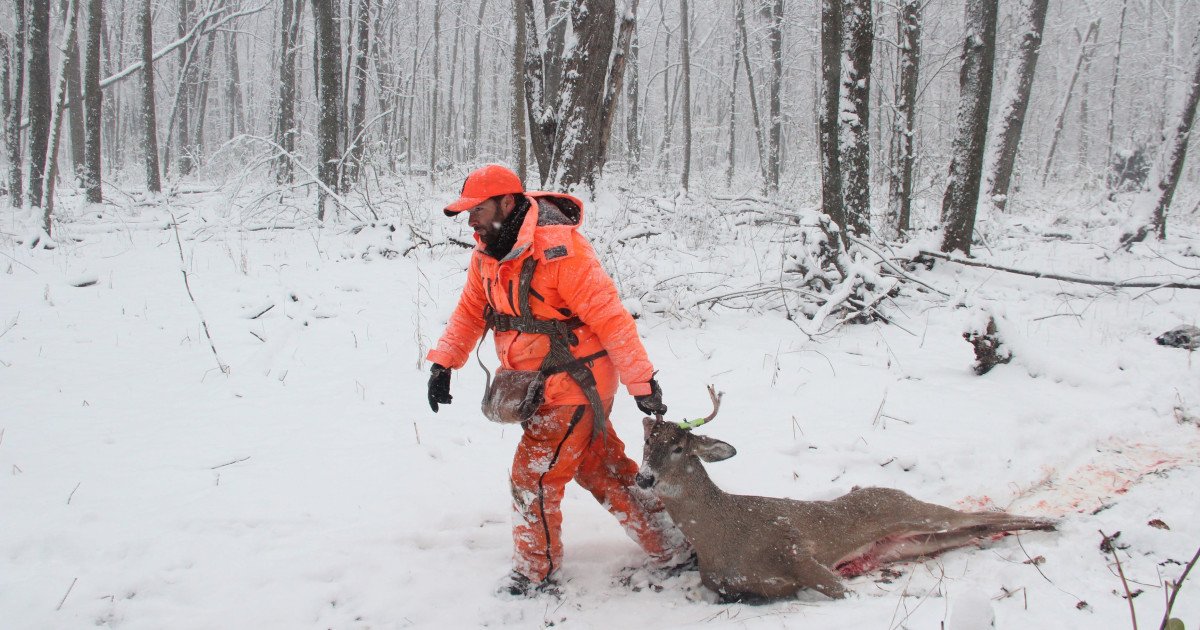
"This law would criminalize any activity that injures or kills animals," explains one analysis of the proposal. "Under IP28, every licensed hunter in Oregon would be committing animal abuse. Every angler. Every rancher who harvests cattle. Every commercial fisherman on the Oregon coast. Even pest control operators would be looking at potential criminal charges." The sheer scope of this potential shift is staggering, threatening to upend traditions followed by generations.
A Statewide Backlash Emerges
Unsurprisingly, the proposal has ignited fierce opposition from agricultural and outdoor recreation groups. The Oregon Farm Bureau has launched a vocal campaign against IP28, warning of catastrophic consequences. "Not only is this effort misguided, but it would also criminalize many aspects of agriculture, from the production of animal-based foods and recreational activities to pest control," stated Lauren Kuenzi of the Oregon Farm Bureau in an interview with Willamette Week. She characterized the initiative as "an attack on those who adhere to strict animal care standards designed to keep animals healthy and safe."
The numbers behind this opposition are formidable. Oregon is currently home to approximately 330,000 licensed hunters and more than 500,000 licensed anglers. Add to that over 37,000 farms and ranches, and the total number of Oregonians whose livelihoods or recreational pursuits could be jeopardized climbs well over one million. This isn't a niche issue; it's a proposal that strikes at the heart of life across the entire state, from the coastal fisheries to the eastern high desert.
While severe weather often disrupts outdoor plans, as seen when a Sunday sports alert warned of tornado threats across eight states, IP28 presents a more permanent threat to outdoor traditions. Similarly, a scorching March heat wave recently threatened outdoor sports across four Western states, but such natural challenges are temporary compared to the potential legal ban proposed here.
The Long Road to the Ballot
Despite the heated rhetoric, this political battle is just beginning. Organizers are aiming to get IP28 on the statewide ballot for November 2026, giving both sides years to mobilize supporters and funds. David Michelson, the chief petitioner for the initiative, acknowledges the uphill climb. "We really want to make Oregon the first state to vote on something like this," Michelson said. "We are aware that it's unlikely 50% of Oregonians are ready right now to move away from killing animals. But we want to get that conversation out there."
This statement reveals the initiative's dual purpose: it is both a specific legislative proposal and a broader philosophical catalyst. Even if it fails at the polls, supporters hope it will permanently alter the public discourse around humanity's use of animals. The debate promises to be intense, pitting evolving ethical views against centuries-old practices and economic realities.
As Oregon gears up for this unprecedented fight, the nation will be watching. The outcome could set a powerful precedent, influencing similar movements in other states and forcing a national reckoning on the legal status of hunting, fishing, and farming. For now, the lines are drawn, and a defining cultural clash over the future of the American outdoors is officially underway in the Beaver State.