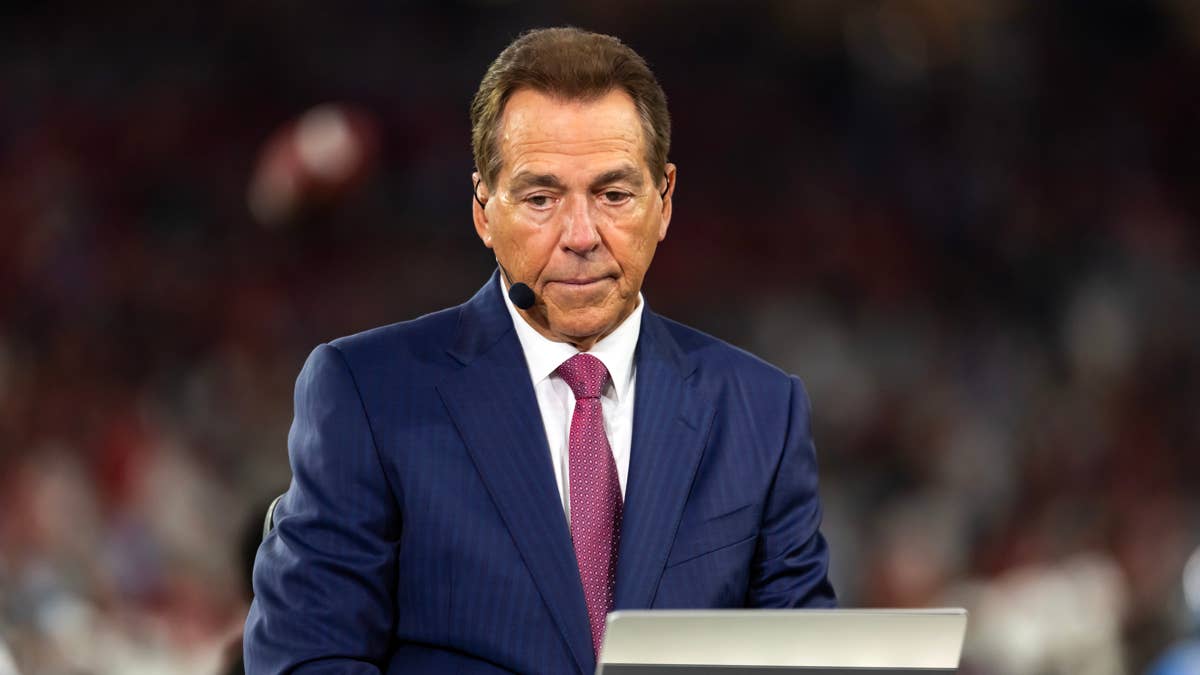
Nick Saban, the legendary former Alabama football coach, delivered a stark warning to lawmakers this week: the current state of name, image, and likeness (NIL) compensation is pushing college sports toward a cliff. Testifying in support of the proposed “Protect College Sports Act,” Saban didn’t mince words about the damage being done.
“It’s become an arms race, who spends the most has got the best chance to win,” Saban said during Wednesday’s hearing. “But I think it’s a race to the bottom because if you don’t spend to win, you lose your fan base and you don’t have any revenue.”
The former coach, who now advises the Trump administration on college athletics, argued that the current system is anything but sustainable. While some fans celebrate NIL as a leveling force—giving smaller programs a shot at top talent—Saban sees a darker reality. He warned that the financial pressures are already forcing schools to cut non-revenue sports, referencing Arkansas dropping its tennis program as a troubling example.
“I really think that the concern is the health of college athletics, not just football,” Saban said on “The Paul Finebaum Show” in April. “How about the 22 other sports we have that are really, probably, non-revenue sports that create lots of opportunities, actually trained 85% of our Olympians in the last Olympics?”
The “Protect College Sports Act,” sponsored by Sens. Ted Cruz and Maria Cantwell, aims to rein in the chaos. Among its key provisions: restricting coaches from leaving their teams before the season ends and limiting athletes to one penalty-free transfer. The bill also seeks to ensure that revenue from football and basketball helps sustain other sports, rather than being funneled entirely into recruiting wars.
Saban’s testimony echoes a growing chorus of voices in college sports calling for reform. Indiana coach Curt Cignetti recently issued his own chilling warning, saying college football “won’t exist” without urgent change. The debate over NIL and player movement has also raised questions about how the College Football Playoff schedule might further strain the system.
For Saban, the stakes extend beyond the gridiron. He emphasized that Olympic sports—which produce the vast majority of U.S. Olympians—are at risk if the balance between revenue and non-revenue programs continues to tip. “If we’re creating a situation where there’s not enough balance,” he said, “people are going to start dropping these sports.”
The proposed legislation faces an uncertain path in Congress, but Saban’s influence could give it momentum. Whether lawmakers act in time to prevent what he calls a “race to the bottom” remains to be seen.