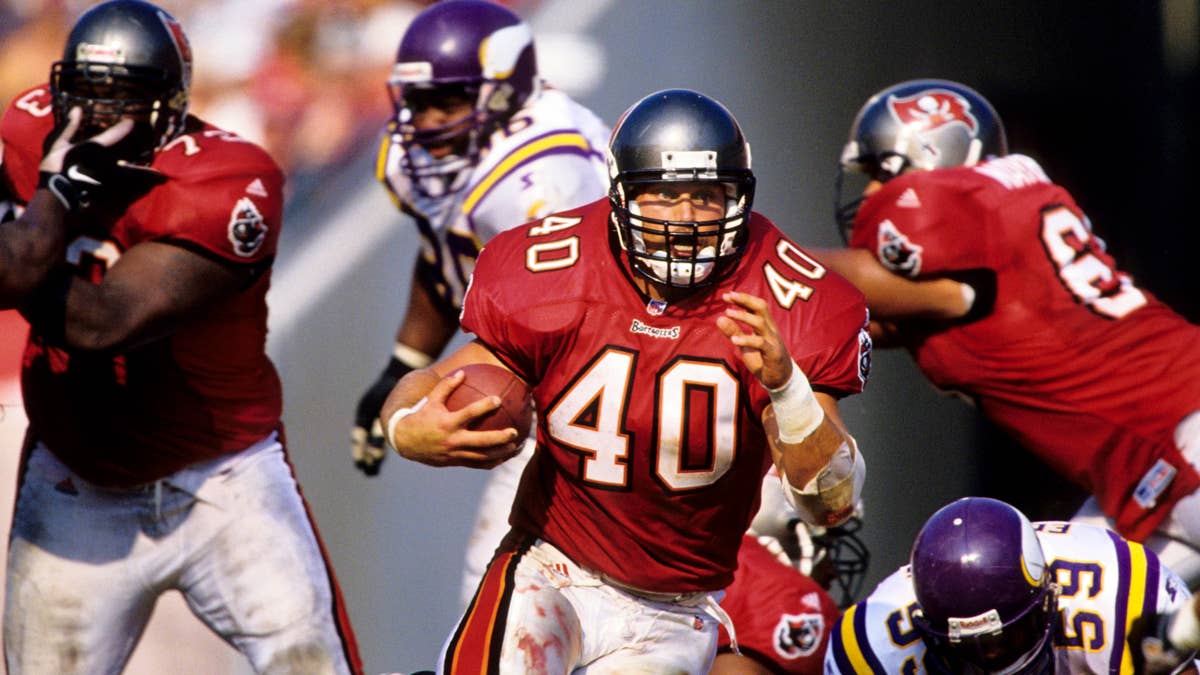
Fire up that grainy VHS tape of a 1990s NFL game, and you'll notice something immediately: those massive, almost cartoonish shoulder pads that made running backs and linebackers look like they were wearing armor from a medieval battlefield. Fast forward to today, and players are practically tucking their shoulders into sleek, barely-there pads. But a quiet shift might be brewing in equipment rooms across the league.
For decades, the trend leaned toward bigger, bulkier protection. Guys like Mike Alstott and Ray Lewis used their oversized pads to absorb and deliver bone-rattling hits. Then came the 2010s, when speed and agility became the holy grail. Players started swapping out the heavy gear for smaller, lighter alternatives, convinced that less padding meant faster cuts and quicker bursts.
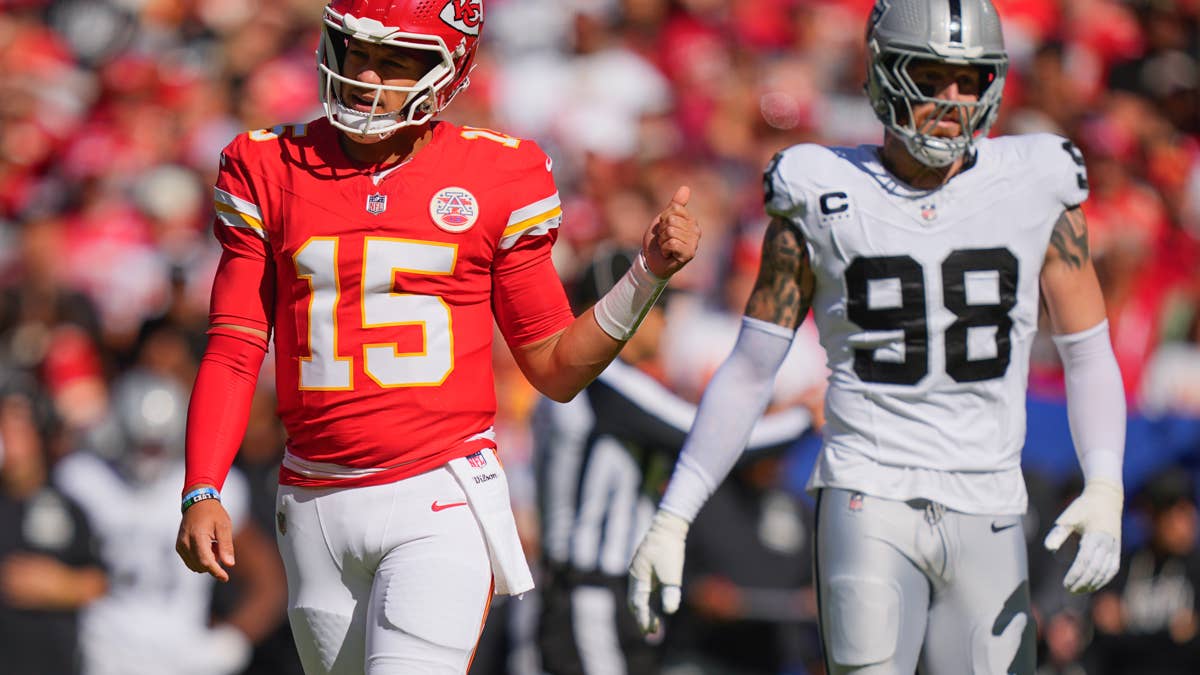
But is that really the case? Industry insiders are now pushing back. Kevin Bull, a former Navy equipment manager who now works for Douglas Pads, told The Athletic's David Ubben that the move to smaller pads might be all in players' heads. “A lot of it is between the ears,” Bull said. “Kids wanted smaller because they felt they could move faster, but at the end of the day, that’s not true. But that’s what they thought.”
The concern goes beyond perception. Some experts believe that the reduction in padding could be contributing to the rising number of injuries across the league. With the NFL schedule potentially expanding to 18 games, the added wear and tear could make extra protection a necessity. If smaller pads don’t actually improve mobility, why risk the extra punishment?
Pro Football Talk recently highlighted the contrast, noting that “a player who would run out of the tunnel wearing Mike Alstott-style pads would look even more out of place than Ed McCaffrey did when he seemed to be wearing the shoulder pads from a child’s Halloween costume.” But the same piece acknowledged the logic: “with the season likely to increase by another game sooner or later, there could be wisdom in enhancing protection through the extra reps — especially if the smaller shoulder pads don’t really help the players with their mobility and agility.”
This isn’t just about nostalgia for the days of larger-than-life gear. It’s a genuine reevaluation of what works. The NFL has seen a wave of comeback stories in recent seasons, and a return of the big shoulder pad could be the next unexpected revival. Imagine a new generation of defenders and ball carriers stepping onto the field with that old-school bulk—not just for show, but for real protection.
Of course, style plays a part, too. There’s something undeniably cool about the variety of looks from past eras. From the sleek, minimalist pads of today’s speedsters to the towering silhouettes of the 90s, a mix of options would add visual flair to the game. It might even spark social media buzz reminiscent of other sports icons who’ve embraced bold changes.
For now, the shift remains speculative, but the conversation is real. If players start to prioritize durability over perceived agility, we could see the NFL’s shoulder pads bulk up once again. And honestly? That would be a sight worth watching.