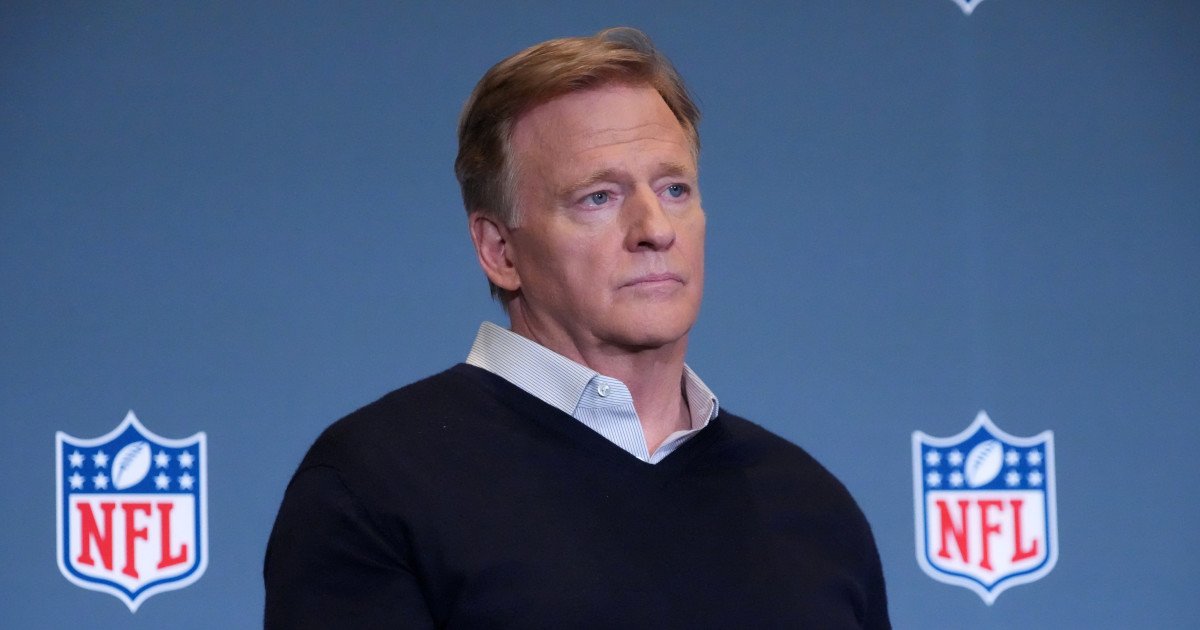
In the high-stakes arena of American sports media, one truth remains absolute: the National Football League reigns supreme. While other leagues chase lucrative TV deals, a sobering forecast suggests the NFL's dominance is about to create a chilling effect across the entire sports broadcasting landscape.
A Stark Warning from the Front Lines
Olek Loewenstein, Univision's global president of sports and a former NFL executive, recently delivered a blunt assessment to Sports Business Journal. His message was clear: for every major sports property outside the NFL, the future looks challenging. "Every single non-premium right in the U.S. is going to struggle," Loewenstein stated, pointing to a critical inflection point for rights holders who may need to pivot toward direct-to-consumer streaming options to survive.

This isn't just speculation; it's a prediction based on the NFL's unmovable position at the top of the food chain. With the Super Bowl consistently drawing over 100 million viewers and regular-season matchups often outperforming playoff games from the NBA and MLB, the league commands an audience—and advertising dollars—that no other entity can match.
The Squeeze is On
The implications of this power dynamic are severe for other leagues. As analyzed by outlets like Awful Announcing, the "NFL squeeze" will likely result in fewer potential broadcast partners willing to invest in non-premium sports properties. Legacy networks, facing their own financial pressures, are becoming hyper-selective, only pursuing rights they believe can genuinely move the ratings needle.
This creates a vicious cycle for leagues like the NBA, MLB, and NHL. Media rights revenue is fundamentally driven by competition—the more bidders at the table, the higher the price. If the NFL's deals monopolize broadcaster budgets and attention, it actively removes potential buyers from the marketplace for other sports, drastically reducing leverage and potentially deflating the value of their next TV contracts.
No Room at the Top
Compounding the issue is the NFL's relentless expansion and protection of its territory. The league isn't content to simply sit on its throne; it continues to innovate with international games, flexible scheduling, and digital distribution, ensuring it consumes an ever-larger share of the sports fan's attention and wallet. There is no indication the league plans to cede any ground, meaning the competitive pressure on rivals is only intensifying.
For commissioners and owners in other leagues, Loewenstein's warning serves as a urgent call to action. The traditional model of relying solely on massive linear TV contracts may be reaching its limit. The path forward likely involves a hybrid approach—maintaining key broadcast partnerships while aggressively developing owned-and-operated streaming platforms to build direct relationships with fans and create new revenue streams independent of the volatile TV market.
The message echoing from boardrooms to broadcast booths is unmistakable. In the battle for media dollars and viewer hours, the NFL's shadow looms larger than ever. While the league continues its reign, every other sports entity must now navigate a transformed and more treacherous landscape, where adaptation isn't just a strategy for growth—it may be essential for survival.