The NFL hasn't officially dropped its 2026 schedule yet, but when it does, fans can expect a small but meaningful tweak. According to CNBC's Alex Sherman, the league is planning to slightly expand its broadcast footprint compared to last year, a shift that may carry more weight than it appears at first glance.
Sherman reported that the schedule will 'include a slight increase in its broadcast footprint from last year, which may make the government happy.' That's a pointed reference to the ongoing scrutiny from the Department of Justice and the Federal Communications Commission, who have been investigating the 1961 Sports Broadcasting Act. That law grants the NFL a limited antitrust exemption in exchange for making games available on broadcast networks.
For the networks involved, the stakes are enormous. NBCUniversal will lean on the enduring power of 'Sunday Night Football'—the most-watched show on U.S. television for the past 15 years. Fox will tout that the NFL posted its highest ratings on the network since 2015 last season, averaging 19.63 million viewers per game. Meanwhile, Amazon will boast about the explosive growth of 'Thursday Night Football,' which has seen a staggering 60% audience increase since moving to Prime Video in 2022, culminating in its biggest year ever.
The broadcast landscape has become a complicated puzzle for fans. To catch every NFL game, viewers currently need subscriptions to Amazon Prime Video, CBS, FOX, NBC, and Netflix—a mix of cable and streaming services that can add up fast. The Sports Broadcasting Act, originally passed in 1961, was designed to allow teams to band together and negotiate national TV deals. But critics argue it's now enabling anticompetitive behavior.
Just a month ago, the Wall Street Journal reported that federal investigators are looking into whether the NFL has engaged in 'anticompetitive tactics that harm consumers.' Republican Sen. Mike Lee of Utah highlighted the financial burden on fans, noting that 'to watch every NFL game during the past season, football fans spent almost $1,000 on cable and streaming subscriptions.'
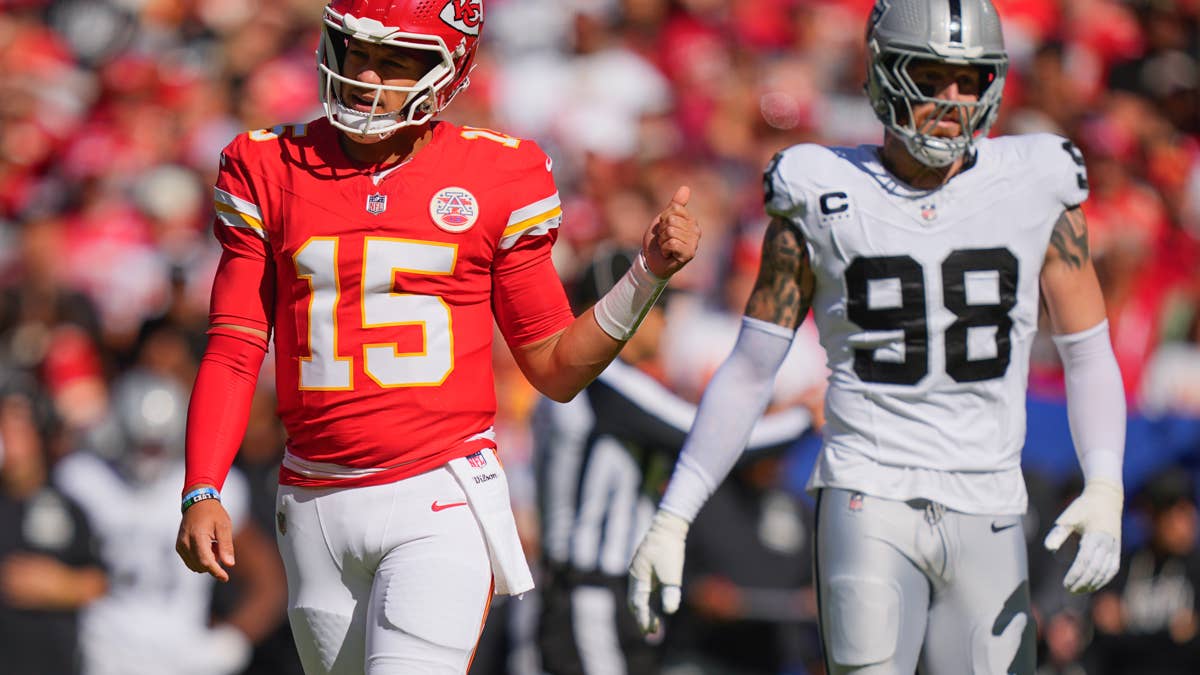
This isn't the only scheduling headache the league is dealing with. In a separate development, the NFL's Mahomes health dilemma has raised questions about how the league balances star power with the demands of the schedule release. And the broader tension between the league's media deals and fan access is likely to intensify as the 2026 schedule nears.
How the investigation plays out could reshape the way the NFL packages and sells its games. For now, the slight broadcast increase appears to be a goodwill gesture—a sign that the league is listening to government concerns, even as it continues to push the boundaries of its lucrative media empire. The 2026 schedule is expected to be released later this month, and all eyes will be on how the league balances its business interests with the pressure to keep games accessible.