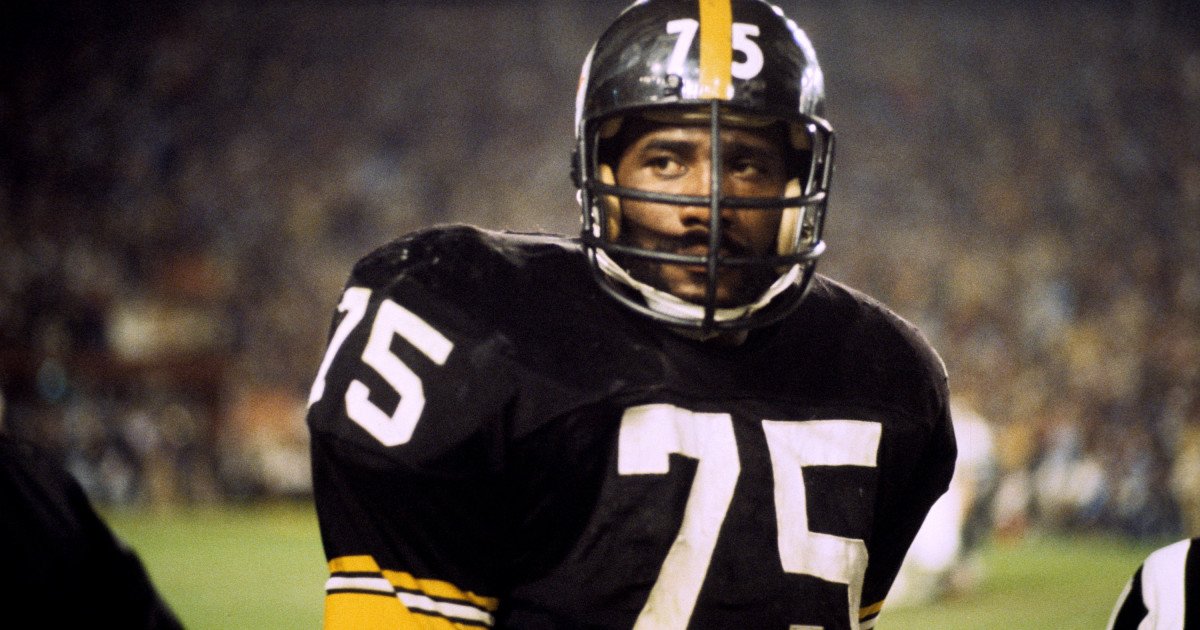
The digital rumor mill churned out a particularly cruel fabrication this week, sending shockwaves through the NFL community. A baseless report claiming Pittsburgh Steelers icon and Hall of Famer "Mean" Joe Greene had passed away spread rapidly across social media, causing unnecessary panic and pain before being definitively debunked.
For legendary Houston Chronicle NFL reporter John McClain, this incident was the final straw. Taking to social media platform X, McClain issued a forceful call to action, arguing it's time for legal repercussions against those who maliciously spread false death reports. "There should be some kind of repercussions for false reports like Joe Greene has died," McClain wrote. "It should be against the law. It's terrible for family, friends and fans. Joe is alive and kicking!"
A Pattern of Painful Hoaxes
This isn't an isolated case in the sports world. McClain pointed out that this disturbing trend has affected other legends, forcing them to publicly deny their own demise. This echoes the recent official confirmation from the Steelers that Greene is, thankfully, alive and well. The emotional toll on the individuals targeted, their families, and legions of fans is immense and undeniable.
The false alarm forced Greene himself to waste precious time addressing the lie, while fans were subjected to a gut-wrenching emotional rollercoaster. "It's high time that people who spread false death reports need to face some kind of legal repercussions for doing so," McClain emphasized, highlighting the repetitive and damaging nature of these online fabrications.
Fans Rally Behind Accountability
In a notable shift from typical online debates about free speech, the response from the football community was overwhelmingly in favor of accountability. While social media is often home to "First Amendment Absolutists," fans united in their condemnation of this specific brand of harm.
"Banned from social media would be a start," one user suggested on X. Another agreed, writing, "Ban the one who started it at the very least." A third commenter stated plainly, "Facts… spreading false information like that should be investigated against the law." The consensus was clear: causing deliberate distress with false death announcements crosses a line.
This public sentiment mirrors the frustration seen in other sports controversies, like when Ken Rosenthal torched absurd claims about Team USA's effort. It represents a growing demand for responsibility in sports discourse.
The Legal and Ethical Line
McClain's argument raises a complex question about the limits of online speech. He draws a parallel to the classic example of it being illegal to yell "fire" in a crowded theater—a statement designed to cause immediate panic and potential harm. While jailing someone for an online lie may seem extreme, the call is for a mechanism to deter and punish behavior that inflicts real emotional suffering.
The incident serves as a stark reminder of the power and peril of the digital age. In an era where news travels at the speed of a click, verifying information is more crucial than ever. The swift spread of this hoax about a figure as beloved as Joe Greene—a cornerstone of the Steelers' dynasty—shows how vulnerable even the most revered legends are to digital cruelty.
As the sports world moves forward, the conversation sparked by McClain is likely to continue. How leagues, social media platforms, and the legal system respond to these targeted harassment campaigns will be closely watched. For now, fans can rest assured that "Mean" Joe Greene remains a towering figure in football history, thankfully still with us, while the debate over protecting such icons from online attacks is just beginning. This situation underscores the importance of relying on credible sources, a lesson that applies whether the news is about a football legend's health or bold claims about the 2026 NCAA title race.