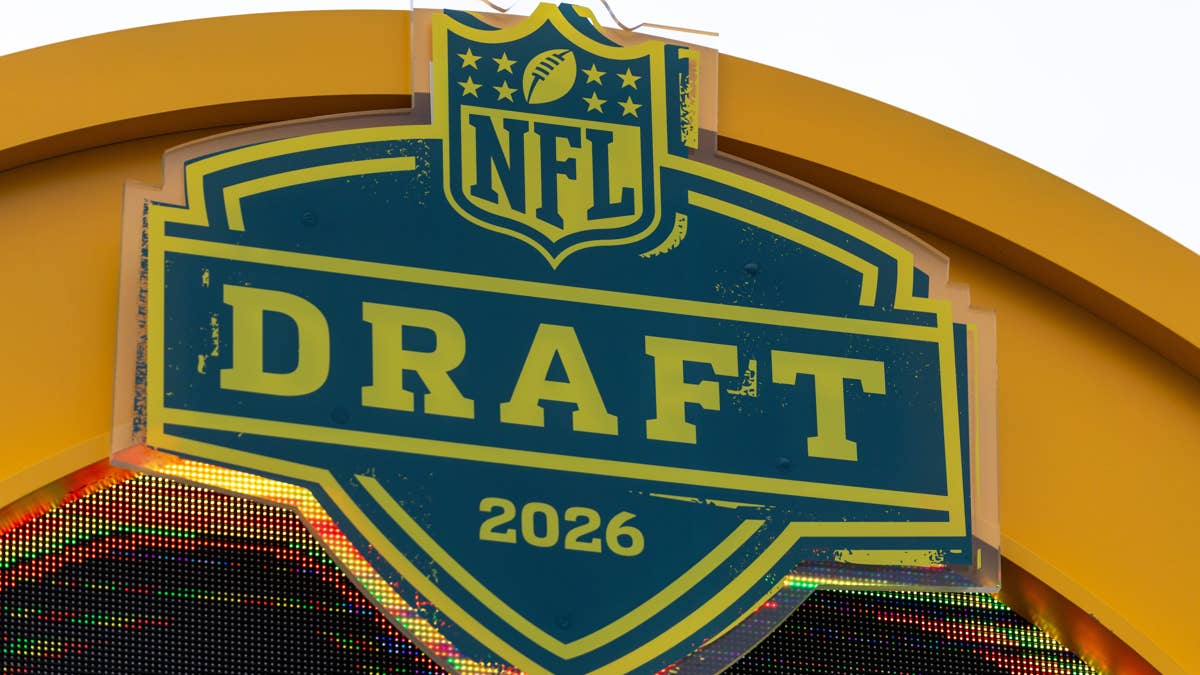
The clock is ticking down to the 2026 NFL Draft in Pittsburgh, but for many fans, it's not ticking fast enough. While the Las Vegas Raiders prepare to make Fernando Mendoza the first overall pick, a vocal segment of the NFL audience is pushing for a fundamental change to the draft's structure: a faster pace.
The Need for Speed
This year, the league already trimmed the first-round selection window from 10 minutes to eight, continuing a trend from the 15-minute marathons of the pre-2007 era. But for viewers at home, eight minutes can feel like an eternity. "We don't need to wait that long. Make it five or six minutes at most," argued one fan online, capturing a sentiment that's gaining traction across social media. The consensus among critics is clear: in an age of instant gratification, the draft's deliberate pace is out of step.
"Shorten it to five minutes. Eight is still too long!" one fan demanded. Another added, "I think five minutes is perfect." The argument hinges on preparation; teams have months to build their boards and strategize. Do they really need a full eight minutes on the clock to make a decision they've likely rehearsed countless times?
A Draft Night Built for Drama
The push for a quicker draft isn't just about impatience—it's about preserving drama and momentum. The most electrifying moments often come from rapid-fire trades and surprise picks, not prolonged deliberation. A condensed clock would force quicker decisions, potentially leading to more chaos, more trades, and less dead air. It's a recipe for must-see television that could keep fans glued to their screens rather than checking their phones during the lengthy gaps.
This fan-led conversation adds an intriguing subplot to a draft already full of storylines. The Raiders, holding the coveted top selection, are widely expected to choose Heisman-winning quarterback Fernando Mendoza, who will experience the moment from his family home in Florida. Meanwhile, several teams are already maneuvering behind the scenes, with reports indicating a significant number of first-round picks have changed hands.
Weighing Tradition Against Modern Tastes
Is change needed? The league has shown a willingness to adapt the draft format over the years, moving it to prime time, spreading it across multiple days, and incorporating elaborate stage productions. Adjusting the pick clock seems like a logical next step. The current rules allot seven minutes for Round 2, five minutes for Rounds 3-6, and four minutes for the final round. Advocates ask: if later rounds can operate efficiently with less time, why not the first?
This isn't the only format debate surrounding major sporting events this spring. Similar complaints about pacing and commercial breaks recently surfaced regarding WrestleMania's opening night, showing a broader audience desire for streamlined entertainment. For the NFL, the draft is its second-biggest offseason event, and maintaining viewer engagement is paramount.
As Thursday night approaches, all eyes will be on Pittsburgh and the future stars entering the league. But the conversation started by fans—calling for a sleeker, faster-paced spectacle—may be the storyline that lingers long after Commissioner Roger Goodell has left the stage. Whether the league listens could shape the draft experience for years to come.