The glamour of the NFL sideline often masks a less shiny reality: many cheerleaders can't afford to live on their cheerleading income alone. A recent viral moment has put this issue front and center, as fans are demanding better compensation for the league's dancers.
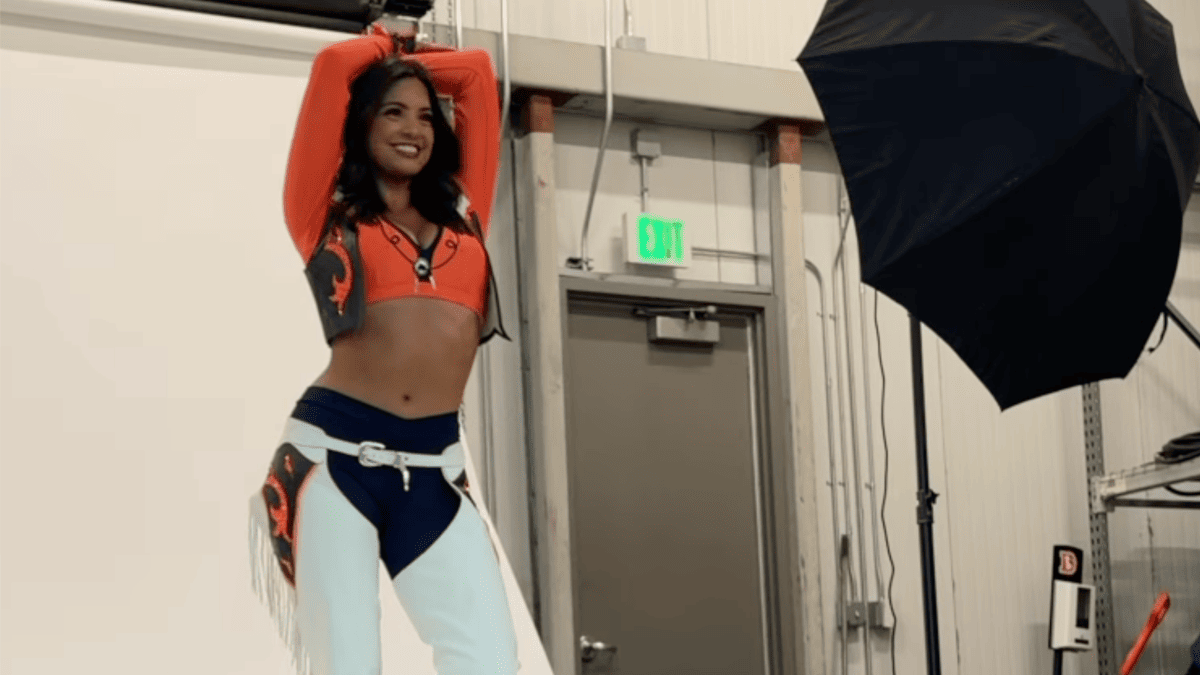
Ann-Marie Muscarello, a Denver Broncos cheerleader, shared a glimpse of her double life on social media, revealing that she works as a registered nurse during the week and cheers on Sundays. Her post, captioned "Sunday mornings vs. Monday mornings look a little different," struck a chord with fans who were shocked to learn that such a demanding schedule is necessary.
Muscarello is not alone. Across the league, cheerleaders juggle second jobs as teachers, fitness instructors, and finance professionals. One cheerleader echoed the sentiment: "There are so many of these stories. We deserve to be paid much, much more."
The pay disparity is stark. NFL cheerleaders earn an average of $150 per game, which translates to roughly $22,500 a year for many. In contrast, the Broncos franchise is valued at $6.55 billion, and the team's waterboy makes around $50,000 annually. This imbalance has fans questioning the league's priorities.
Social media erupted with support for the cheerleaders. "With the money the NFL makes, they should pay you more," one fan wrote. Another added, "That's sad. They should pay these cheerleaders enough money they work hard too." The conversation has even drawn attention to the broader issue of cheerleader pay disparities across teams.
Comedian Aakash Gupta highlighted the absurdity on X, noting that nursing is the actual career, while dancing for a billion-dollar franchise is a luxury she can only afford because of her nursing salary. He pointed out that the Dallas Cowboys cheerleaders received a 400% raise in 2025, but only after a Netflix docuseries exposed their low earnings. Veterans there now make $75 an hour, a rare exception in the league.
The issue isn't new, but the viral nature of Muscarello's story has reignited calls for change. Fans are asking why a league that generates billions in revenue can't pay its performers a livable wage. The upcoming inclusion of male cheerleaders in 2026 may also bring renewed scrutiny to pay practices.
As the debate rages on, one thing is clear: the "double life" of an NFL cheerleader is a symptom of a larger problem. Fans are no longer content to simply admire the routines; they're demanding that the league step up and pay fairly for the hard work these athletes put in.