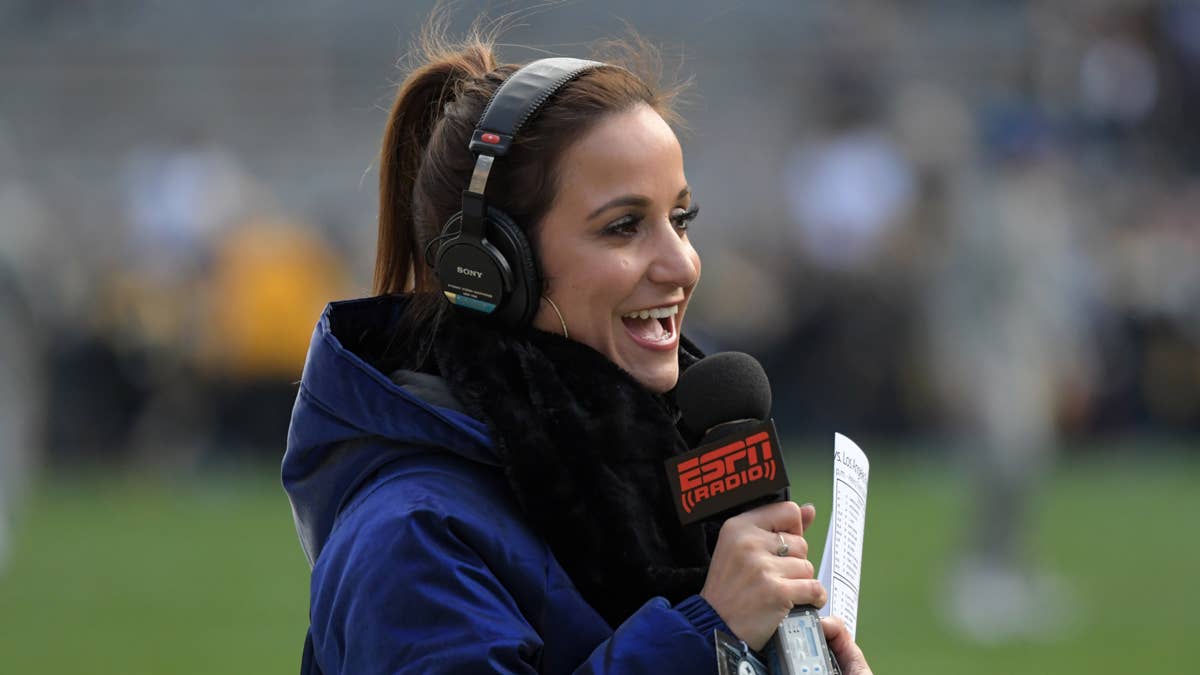
The New York Times finds itself in an uncomfortable spotlight this week after bodycam footage from Dianna Russini's traffic stop leaked, directly contradicting a recent exposé the paper published about the former NFL insider.
The Times had claimed Russini used her influence to FaceTime a coach and get out of a ticket. But the footage tells a different story—one that has left the publication scrambling to explain itself.
Florio Calls Out the Times
ProFootballTalk founder Mike Florio didn't hold back in his critique, pointing out the glaring holes in the Times' reporting. In a piece on his website, Florio highlighted two key issues: first, why didn't the Times obtain the bodycam video before publishing? Second, why hasn't the article been corrected?
“First, why didn’t the Times get the bodycam video before publishing the Russini article? The New York Times essentially got caught flat-footed,” Florio wrote.
He added, “If the Times was going to make the FaceTime story the hook for a long article about Russini, shouldn’t the Times have wanted to find out which coach, if any, was contacted?”
A Correction Long Overdue
As of now, the original article remains unchanged, with no update acknowledging the bodycam evidence. Florio noted that the lack of a revision only adds to the tension between the Times and The Athletic, where Russini previously worked. “If the Times article about a former Athletic reporter was the product of a looser form of journalism, well, that’s awkward,” he concluded.
The situation has sparked broader questions about journalistic standards and the rush to publish. The New Jersey police department has defended the officer's decision to let Russini off with a warning, but the Times' oversight remains a sticking point.
Meanwhile, the controversy has drawn attention to the officer's handling of the stop, which some see as a separate issue from the Times' reporting failures.
What's Next?
With the July 4th weekend approaching—a time when corporations often bury bad news—all eyes are on the Times to see if they'll issue a correction. The editors have vowed to deliver an update on their investigation, but critics aren't holding their breath.
For now, the story serves as a cautionary tale about the dangers of incomplete reporting, especially when a simple bodycam check could have saved everyone a lot of embarrassment.