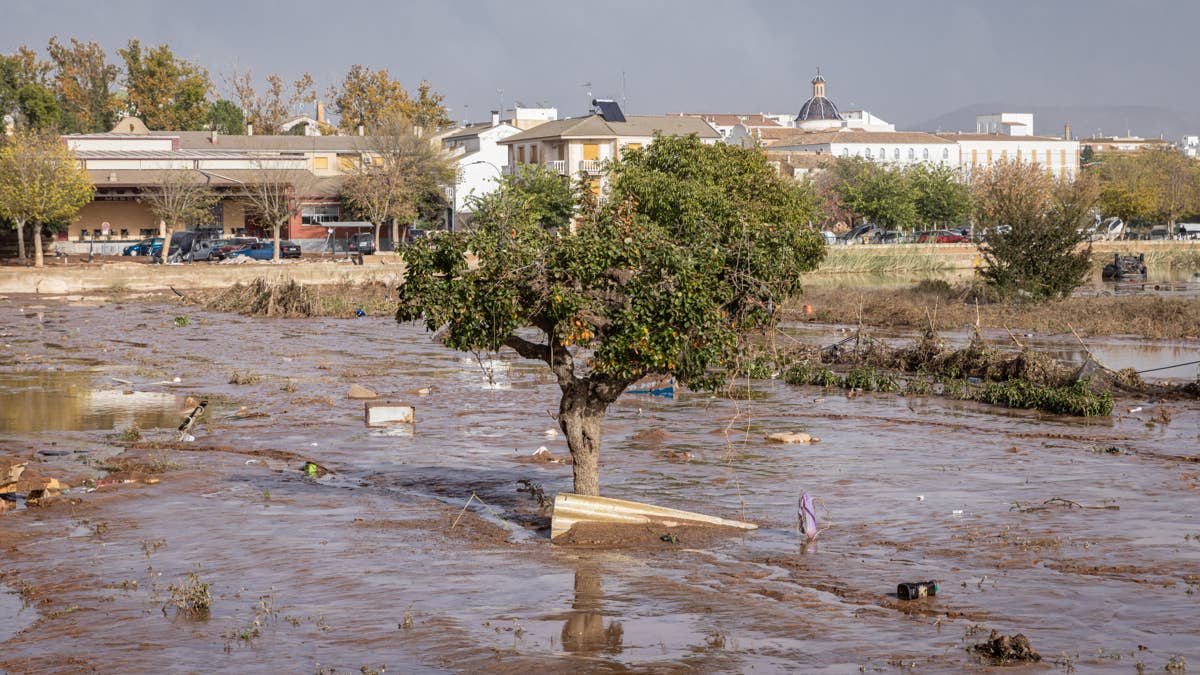
The deadliest flooding to hit the Nepal-Tibet border region in decades has left a trail of devastation, with officials confirming 682 fatalities and more than 3,000 people still unaccounted for. Among the missing are 90 U.S. citizens, according to ABC News.
The disaster unfolded Wednesday when a massive wall of water and debris surged down the Trishuli River in Nepal's Rasuwa district, obliterating homes, bridges, and roads in its path. The flood, triggered by a landslide roughly 12 miles northeast of the Rasuwagadhi border post, swept destruction at least 62 miles downstream, as verified by satellite imagery and video analysis.

Rescue and Aid Efforts
Nepal's National Disaster Management Authority reports that over 7,500 people have been rescued so far, including 227 foreign nationals. More than 200 survivors have been discharged from medical facilities after treatment for flood-related injuries. However, the scale of the disaster continues to overwhelm local resources.
The U.S. State Department issued a statement Saturday, emphasizing that the safety of American citizens is a top priority. The U.S. has pledged $3.6 million in humanitarian aid, including three months of emergency food assistance for nearly 10,000 affected households. President Donald Trump, speaking from the Oval Office Thursday, vowed to send aid and offer any necessary help: "That's a terrible thing. No, we are sending aid, and we've spoken to the leadership, and we let them know anything they want will happen."
Landslide Trigger
The U.S. Geological Survey registered a 5.2-magnitude event initially thought to be an earthquake, but it was later identified as a massive landslide that displaced over 100 million cubic meters of ice, rock, and debris. This natural dam breach sent a torrent of water and mud crashing into populated areas.
The flood's impact is reminiscent of tropical storm Maysak's toll, but the scale here is far greater. As search teams continue to comb through the debris, the international community has rallied to support Nepal. The U.S. aid package is part of a broader effort to address the humanitarian crisis.
Local authorities are racing against time to locate survivors, but the sheer volume of missing persons presents an immense challenge. Drone footage captured the extent of the destruction, showing entire villages reduced to rubble and rivers of mud where streets once stood.
This tragedy echoes the earlier flash flood in Nepal that claimed 31 lives, highlighting the region's vulnerability to such natural disasters. The current death toll is expected to rise as rescue teams reach more remote areas.
For now, the focus remains on rescue and recovery. The U.S. State Department has urged any Americans in the affected area to contact the embassy for assistance. Meanwhile, the world watches as Nepal grapples with one of its worst natural disasters in recent memory.