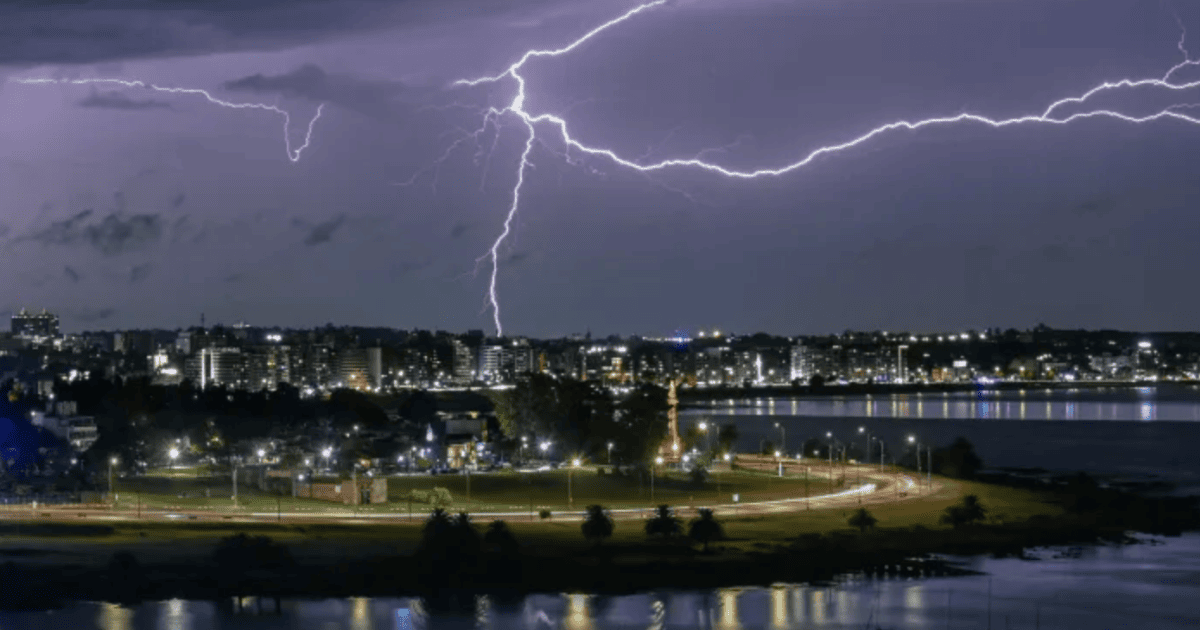
Sports fans and athletes across the country need to keep one eye on the sky this Monday. A sprawling and potent weather system is gearing up to deliver a powerful punch of severe storms across an astonishing sixteen U.S. states, creating potential havoc for travel, outdoor events, and daily routines from coast to coast.
A Coast-to-Coast Weather Threat
The National Weather Service has issued widespread warnings for Monday, March 2, highlighting a significant risk of dangerous conditions. The forecast calls for a nasty mix of intense thunderstorms, frequent lightning, torrential downpours, damaging wind gusts, and the potential for large, destructive hail. This isn't just a passing shower; it's a serious meteorological event that demands attention.

The geographic scope of the threat is particularly notable. States in the crosshairs stretch from the Pacific Northwest, through the nation's heartland, and down into the Southeast. The list includes Oregon, Nevada, Idaho, Utah, Wyoming, Colorado, South Dakota, Nebraska, Oklahoma, Arkansas, Missouri, Illinois, Indiana, Kentucky, Tennessee, and Florida. This means major sports hubs and countless communities will be dealing with the impacts.
Potential Impact on the Sports World
While player and fan safety is always paramount, this kind of widespread severe weather creates unique challenges. Outdoor sporting events, from high school games to professional competitions, may face delays, postponements, or last-minute venue changes. Travel for teams, officials, and supporters could be significantly disrupted by hazardous road conditions and flight delays. Even indoor facilities aren't immune, as power outages and dangerous travel to and from arenas become real concerns.
"When you have a storm system affecting this many states, it inevitably touches the sports calendar," said a veteran event coordinator familiar with weather disruptions. "The key is proactive communication and having solid contingency plans in place to ensure everyone's safety."
Staying Safe When Storms Strike
With such a broad threat, knowing how to react is crucial. The National Weather Service and safety experts emphasize several key actions. First, stay informed by monitoring local forecasts and NOAA Weather Radio for the latest watches and warnings. Have a plan ready before the skies darken.
If you're at home: When a severe thunderstorm warning is issued for your area, move immediately to a secure, interior room on the lowest floor, away from windows. Don't forget your pets if you have time to gather them safely.
If you're at work or school: Avoid windows and large, open spaces like cafeterias, gymnasiums, or auditoriums. Follow the building's emergency procedures and shelter in place until the threat passes.
If you're caught outdoors: This is the most dangerous scenario. Seek shelter in a substantial, enclosed building right away. Do not use sheds or picnic shelters for protection. Most importantly, never take shelter under a tree, as it can attract lightning or topple onto you in high winds.
If you're in a vehicle: While a car is safer than being outside, it is not ideal. If you have sufficient time, carefully drive to the nearest sturdy building. If you cannot, pull over safely, avoid touching metal surfaces, and wait for the storm to pass.
This major weather event serves as a critical reminder for everyone in the sports community and beyond. By staying weather-aware and knowing the safety steps, we can all navigate these challenges. Keep your devices charged, have an emergency kit ready, and prioritize safety above all else. Here's hoping for clear skies and safe conditions for all.