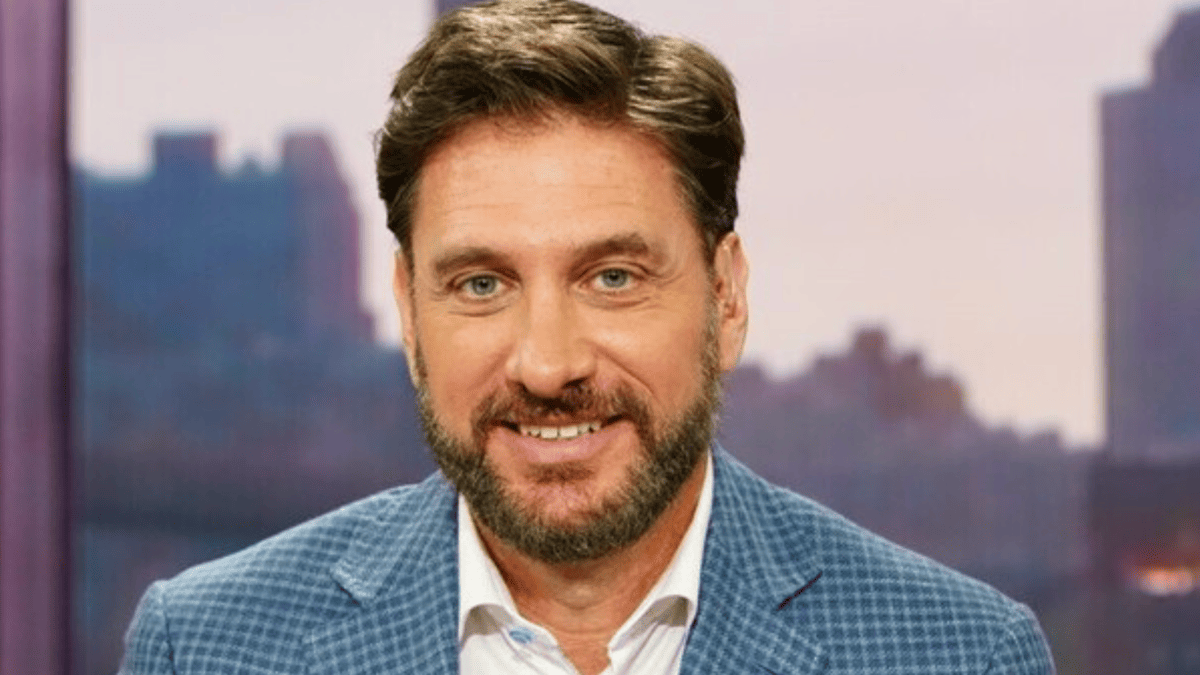
ESPN’s Mike Greenberg has a bold new idea for the NFL Draft, and it doesn’t involve correcting his own on-air mistakes—though he did plenty of that too. After an awkward misidentification of a Cleveland Browns draft pick, Greenberg is now pushing for a rule change that would let broadcasters hit pause on the action.
Greenberg, who hosted the draft alongside Booger McFarland, Louis Riddick, and Mel Kiper Jr., found himself in hot water when he mistakenly called Denzel Boston the son of former NFL wide receiver David Boston. He quickly apologized on air, saying, “It was a mistake in my research. It was a terrible one, and I apologize to them both.” The moment was a reminder of the high-pressure environment of live broadcasting, but Greenberg’s bigger concern is the breakneck speed of the draft itself.
In a conversation with Rich Eisen, Greenberg floated the idea of giving the host a couple of timeouts per round. “When Jeremiyah Love goes third overall to the Arizona Cardinals, it would be nice if we could just say, ‘Alright, hold on, we’re calling our— we get like two timeouts,’” Greenberg said. He argued that major moments—like a running back going that high—deserve more than a quick mention before the next pick is announced.
Greenberg’s proposal comes as the NFL Draft has sped up in recent years, with shorter windows between picks. This year, the league’s lightning-fast tempo even sparked backlash from fans, with some calling for a return to the old 10-minute rule. The pace, Greenberg says, leaves little room for context or storytelling.
“At pick 13, Ty Simpson went to the Rams—a move reminiscent of Tommy Maddox’s draft day drama—and we had 45 seconds to talk about it before I heard ’30 seconds until commercial,’” Greenberg explained. “I’d like to have been able to call a timeout right there and say, ‘We need two minutes to discuss this.’”
Of course, the logistics are messy. The draft airs on three networks: ESPN, ABC, and NFL Network. Greenberg’s suggestion opens a can of worms: do all three get timeouts? Or just the lead network? It’s a question that could spark debate among executives, but Greenberg insists the goal is better coverage, not more chaos.
The idea isn’t entirely new—some fans and analysts have long wanted the draft to slow down for analysis. But Greenberg’s platform gives it a louder voice. He’s already shown he can handle the pressure, making a classy move after his draft blunder by apologizing publicly, proving he’s a stand-up guy even when the spotlight’s harsh.
For now, the NFL hasn’t commented on Greenberg’s proposal, but with the draft’s popularity soaring, don’t be surprised if the league takes a closer look. After all, if broadcasters can call timeouts, maybe they’ll avoid the kind of mistakes that made Greenberg’s night memorable for all the wrong reasons.