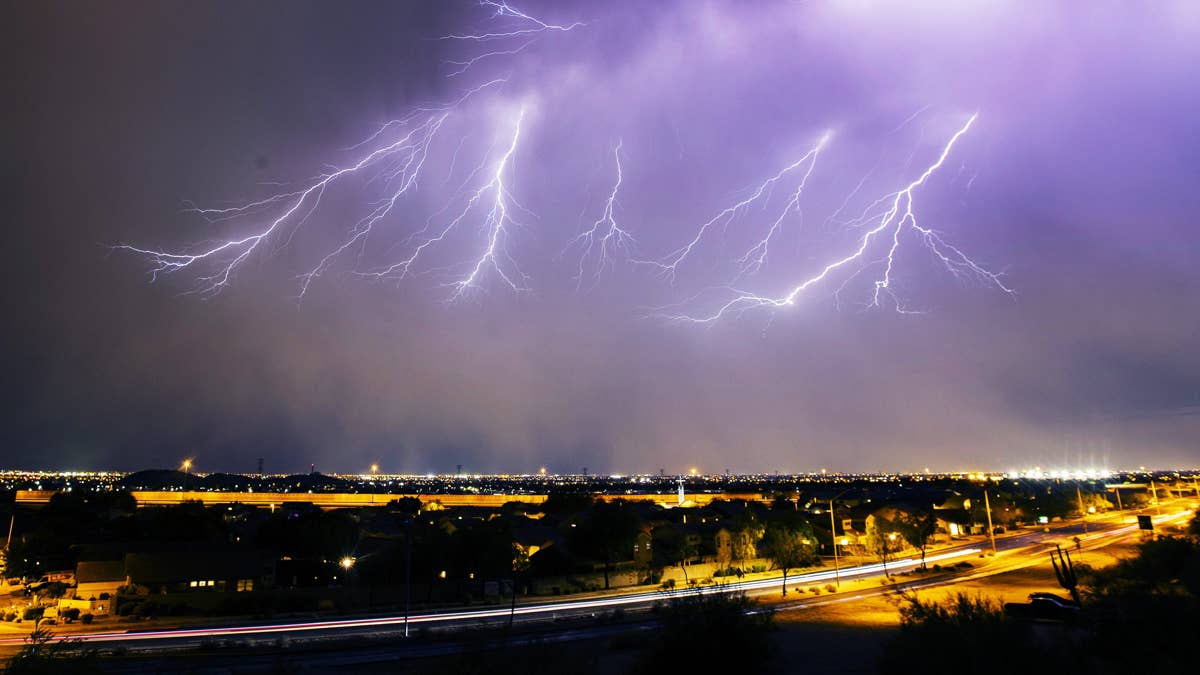
A powerful atmospheric disturbance is gearing up to unleash chaos across America's heartland tonight, with the National Weather Service issuing urgent warnings for residents and sports organizers across twelve states. The system, expected to intensify throughout Wednesday evening, could bring game-changing conditions including baseball-sized hail, hurricane-force wind gusts, and frequent lightning strikes.
Storm Zone: Which States Are in the Crosshairs?
The threat zone stretches from the Southern Plains through the Midwest, creating a massive corridor of potential destruction. States preparing for impact include Texas, Oklahoma, Kansas, Nebraska, Colorado, Wyoming, South Dakota, North Dakota, Montana, Michigan, Indiana, and Ohio. This widespread event mirrors recent severe weather patterns that have repeatedly disrupted the sports calendar, including the major disruption that targeted 25 states earlier this week.

What Makes These Storms Particularly Dangerous
Meteorologists are emphasizing the potential for "extreme" thunderstorm characteristics that go beyond typical spring weather. The primary concerns include wind gusts capable of reaching 70-80 mph—strong enough to topple temporary structures and light standards at outdoor venues. Large hail presents another significant hazard, with stones potentially growing to the size of tennis balls, posing direct threats to athletes, spectators, and infrastructure alike.
The timing couldn't be worse for numerous scheduled events. From minor league baseball openers to high school tournaments and community sports, organizers are scrambling to implement contingency plans. This situation echoes the severe disruption that hit seven Midwest states recently, where similar conditions forced widespread cancellations and dangerous last-minute evacuations.
Safety First: Critical Guidelines for Athletes and Fans
With lives potentially at stake, weather authorities are circulating essential safety protocols. The most critical rule: when thunder roars, go indoors immediately. Seeking shelter in a sturdy, enclosed building is non-negotiable. For those at sporting events, this means abandoning bleachers and moving to designated safe areas—typically interior hallways or restrooms away from windows.
Vehicles offer limited protection during extreme events. While safer than being completely exposed, cars and buses provide inadequate shelter from large hail or tornado-strength winds. The safest approach is to identify secure structures well before storms arrive. Event organizers should establish clear communication channels to broadcast warnings and direct evacuations efficiently.
Regional Impacts and Historical Context
This storm system follows a pattern of turbulent spring weather affecting sports nationwide. Just days ago, nine states faced similar thunderstorm threats on Monday, demonstrating how persistent this severe weather season has become. The Plains and Midwest have been particularly vulnerable, experiencing back-to-back systems that test emergency preparedness at all levels of competition.
Beyond immediate safety concerns, these storms could have lasting effects on league schedules, travel logistics, and facility conditions. Waterlogged fields, damaged equipment, and power outages create challenges that extend far beyond the storm's passage. Professional and amateur organizations alike must balance competitive integrity with participant welfare when making postponement decisions.
As daylight fades tonight, all eyes will turn to radar screens across the affected region. Meteorologists urge continuous monitoring of local forecasts, as storm paths and intensities can change rapidly. For the sports community—from professional athletes to weekend warriors—this serves as another stark reminder that nature remains the ultimate opponent, capable of calling off any game with little notice.