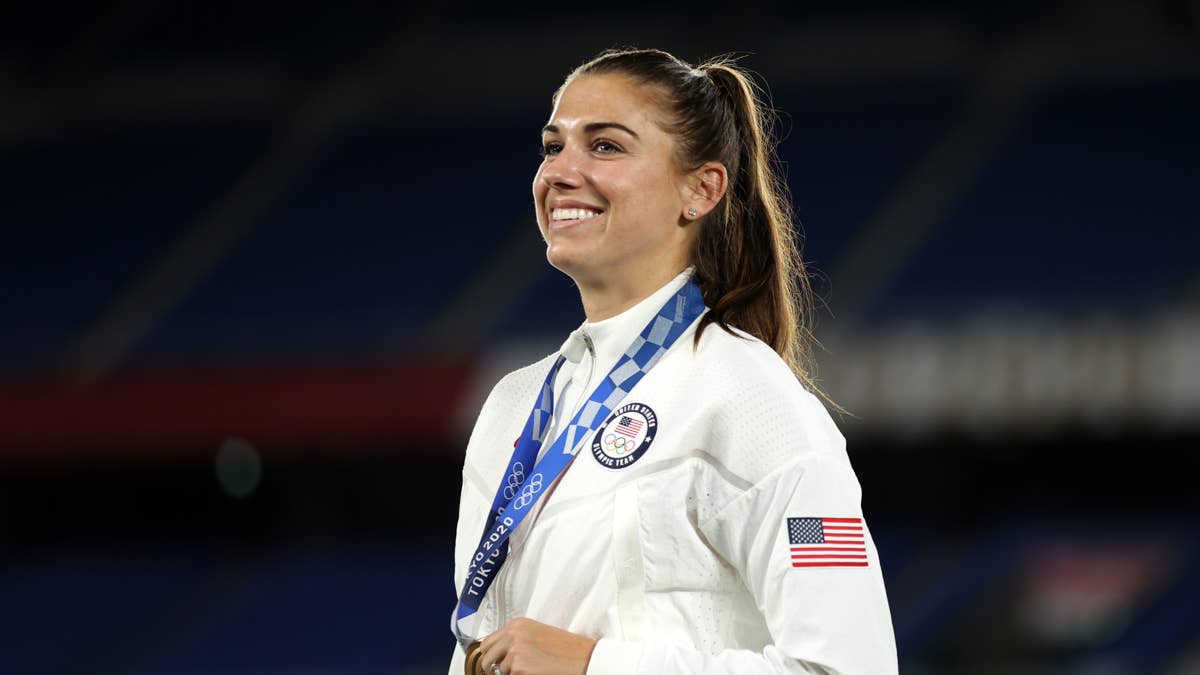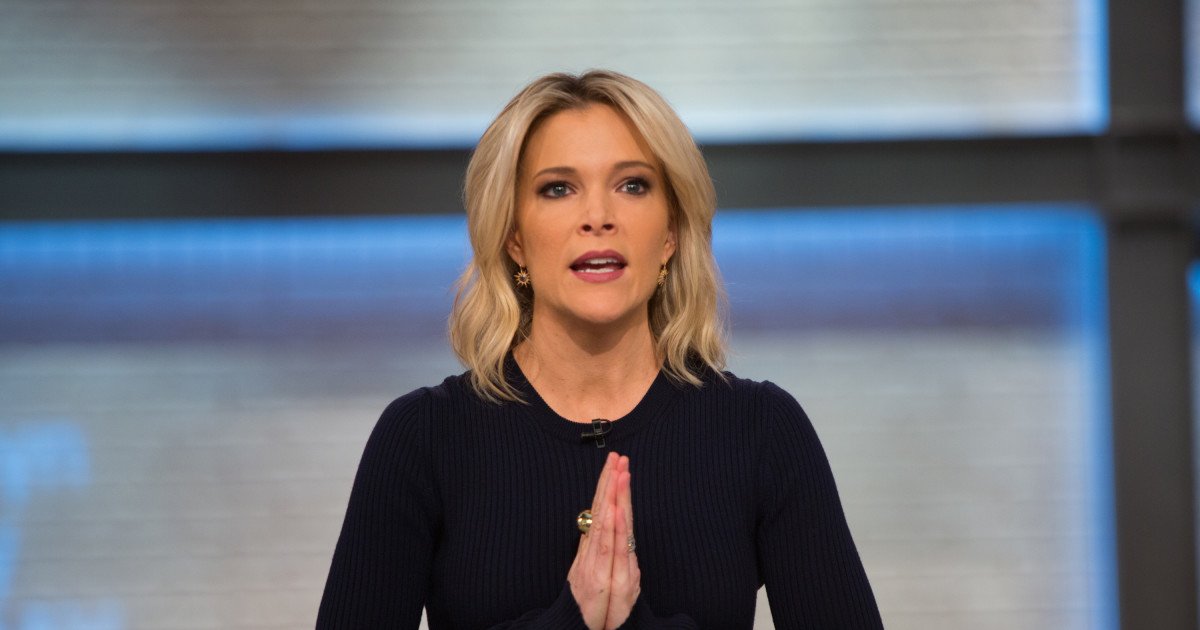
The world of sports and politics collided once again this weekend as media personality Megyn Kelly delivered a pointed message to U.S. women's soccer great Megan Rapinoe. The exchange stems from Rapinoe's recent comments about the American men's hockey team's conduct following their gold medal triumph.
Rapinoe's Fiery Critique
During an appearance on the podcast A Touch More with Sue Bird and Megan Rapinoe, the legendary soccer forward didn't hold back her disapproval. Rapinoe took issue with the hockey team's reaction to a joke made by former President Donald Trump about inviting the women's team to the White House. She felt the moment of athletic glory was overshadowed by political theater.

"The United States men's hockey team, in their utter moment of glory... ruined it for themselves because they allowed themselves to be totally co-opted by a clown," Rapinoe stated emphatically. "And now, you're a clown. You look like a clown."
Her frustration centered on what she perceived as a lack of self-respect from the athletes. "Why don't you respect you more than to have that moment be taken by someone who, for no reason at all, just takes a huge swing and a jab at women who did the exact same thing that you did?" she questioned. Rapinoe expressed disappointment that the team's historic achievement would now be remembered through a political lens, lamenting, "And now this is what people think about your moment. And that sucks."
Kelly's Blunt Warning
Megyn Kelly, the former Fox News host, quickly responded with a stark assessment of Rapinoe's perspective. In a concise but cutting remark, Kelly suggested that envy was driving the soccer star's criticism.
"Megan Rapinoe is jealous the Team USA men's hockey team is in the spotlight, and she's not. Enjoy your bitter life," Kelly wrote, framing the dispute as one about attention rather than principle.
The incident highlights the ongoing tension between athletic celebration and political expression in modern sports. Rapinoe, known for her activism and willingness to speak on social issues, has frequently been at the center of such debates throughout her storied career. Her critique of the hockey team aligns with her established pattern of calling out what she views as injustices or disrespect, particularly towards women athletes.
Meanwhile, Kelly's response represents a familiar conservative critique of activist athletes, suggesting that their political engagement stems from personal grievance rather than conviction. This back-and-forth continues a long-running public dialogue about the appropriate role of politics in sports—a conversation that shows no signs of slowing down.
As fans and commentators digest this latest exchange, the fundamental question remains: where should athletes draw the line between celebrating their achievements and engaging in the political fray? With the Paris Olympics on the horizon and another election cycle underway, this clash between two prominent Meg(h)ans may be just a preview of debates to come in the sports world.