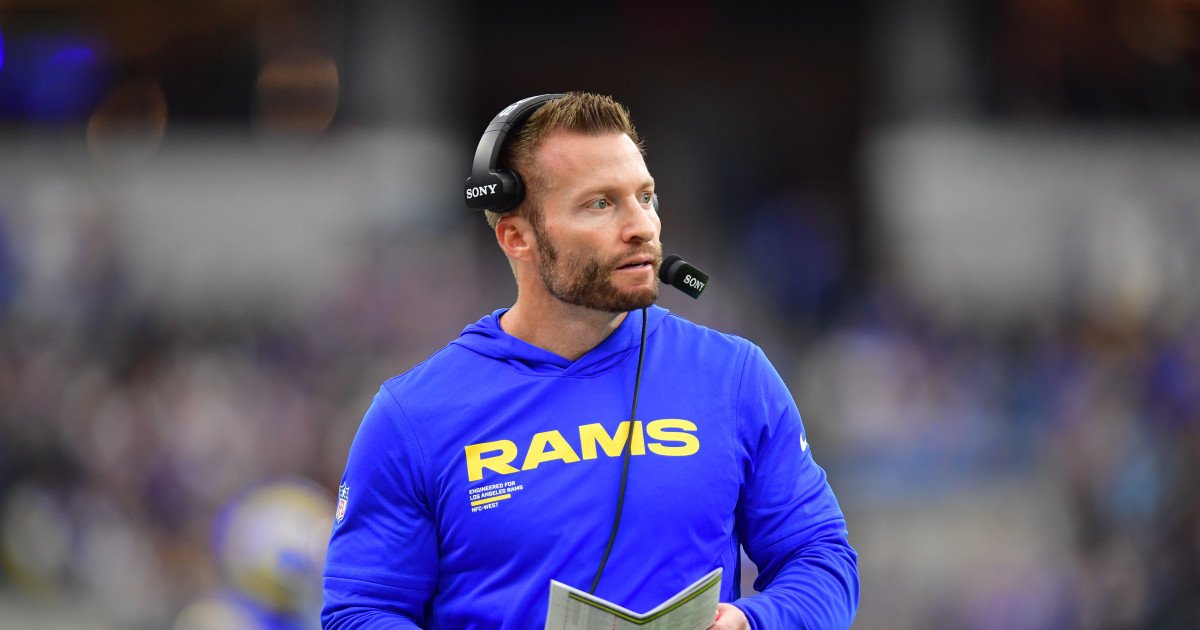
Even for a coach with a Super Bowl ring, some losses sting more than others. For Los Angeles Rams head coach Sean McVay, the pain from this season's NFC Championship Game defeat hasn't faded, and one specific decision continues to replay in his mind.
In a recent interview, McVay pinpointed a crucial first-half sequence against the Seattle Seahawks as the moment he'd most like to have back. With the Rams leading 13-10 and under two minutes remaining, his defense had just forced a quick stop. A single run play later, McVay made the call that now haunts him.
The Decision That Changed Momentum
"I try not to dwell on stuff that really doesn’t move me forward," McVay told Pro Football Talk. "Now, what I do dwell on, that NFC Championship Game. One thing you don't do in a two-minute situation, don't put the defense back out on the field."
After a five-yard gain from running back Kyren Williams on first down, McVay called for two consecutive passes. Both fell incomplete, stopping the clock and forcing a punt with precious time left for Seattle. The Seahawks seized the gift, orchestrating a lightning 74-yard drive in just 34 seconds to snatch a halftime lead.
"We run it on a first-and-10, and then you know what? Should have run it again," McVay lamented, acknowledging the Seahawks still had all three timeouts. "They go score a touchdown. Changes the momentum of that going into the half." He labeled the choice a "major mistake," a rare public admission of a tactical error from the usually confident coach.
Standing By the Fourth-Down Gamble
While the first-half clock management gnaws at him, McVay remains steadfast in defending another controversial decision. Trailing 31-27 late in the fourth quarter, he opted to go for it on fourth down at the Seattle 6-yard line instead of kicking a field goal. The play failed, and the Rams only got the ball back with 25 seconds left.
"I’m going for that all over again," McVay stated firmly. "The flow of the game, didn’t know if we were going to get another possession. We’re down four. Felt good about the momentum, the way Matthew (Stafford) and the guys were playing … But they made the play, and we didn’t." This kind of aggressive, analytical decision-making is a hallmark of McVay's philosophy, even when it doesn't pay off. It's a stark contrast to the more conservative, clock-burning approach he now wishes he'd employed before halftime.
McVay's introspection highlights the razor-thin margins in championship games. A single play-calling sequence can define a legacy, a fact not lost on other coaches navigating the playoffs. Just as a computer model reveals only 11 teams have true championship DNA, it often comes down to a coach's DNA in pressure moments.
The Rams' boss is known for his forward-thinking approach, but this offseason has involved looking back. "What I would do differently is handle the end of the first half differently," he conceded. "Do some different things just overall game management-wise, and those will be the things I never run away from." This level of self-critique is what drives the league's best, constantly refining their process. It's a similar relentless pursuit of perfection seen in dynasties across sports, even those facing challenges, like the South Carolina women's hoops program which posted a $6M loss despite its championship pedigree.
As the Rams retool for another run, McVay's painful lesson is already being internalized. The coach who is famously blunt about roster moves—remember his blunt verdict on the Browns' draft trade proposal—is proving equally direct about his own errors. For a team with championship aspirations, that accountability might be the first step toward ensuring history doesn't repeat itself.