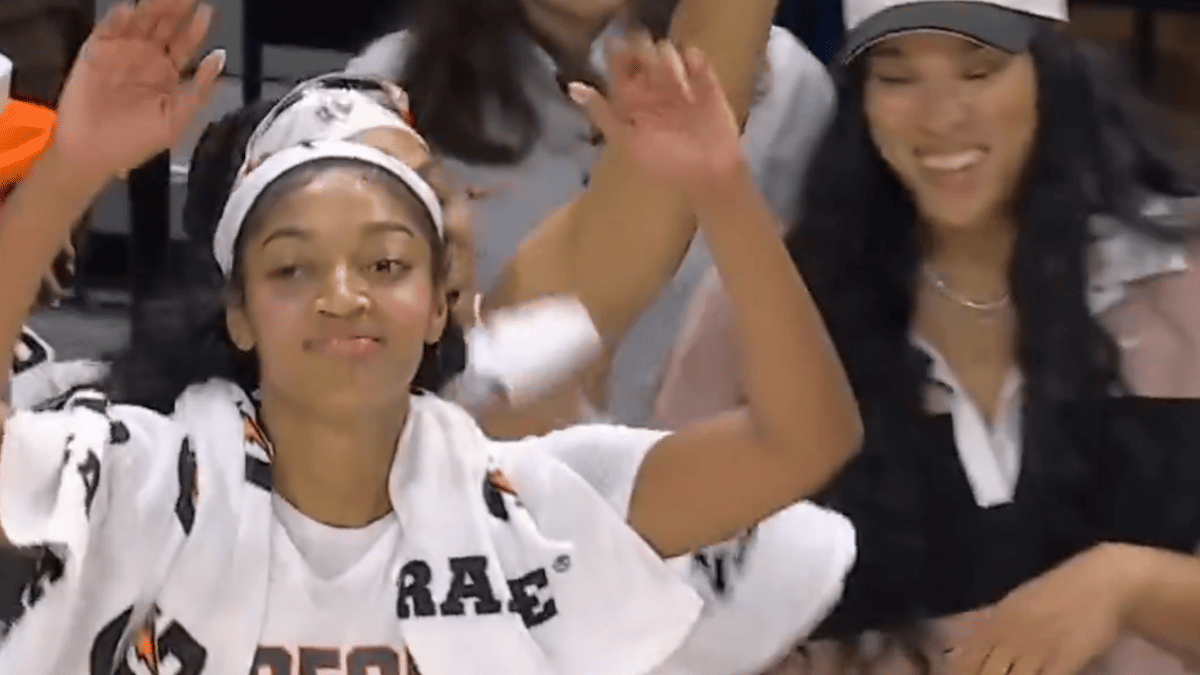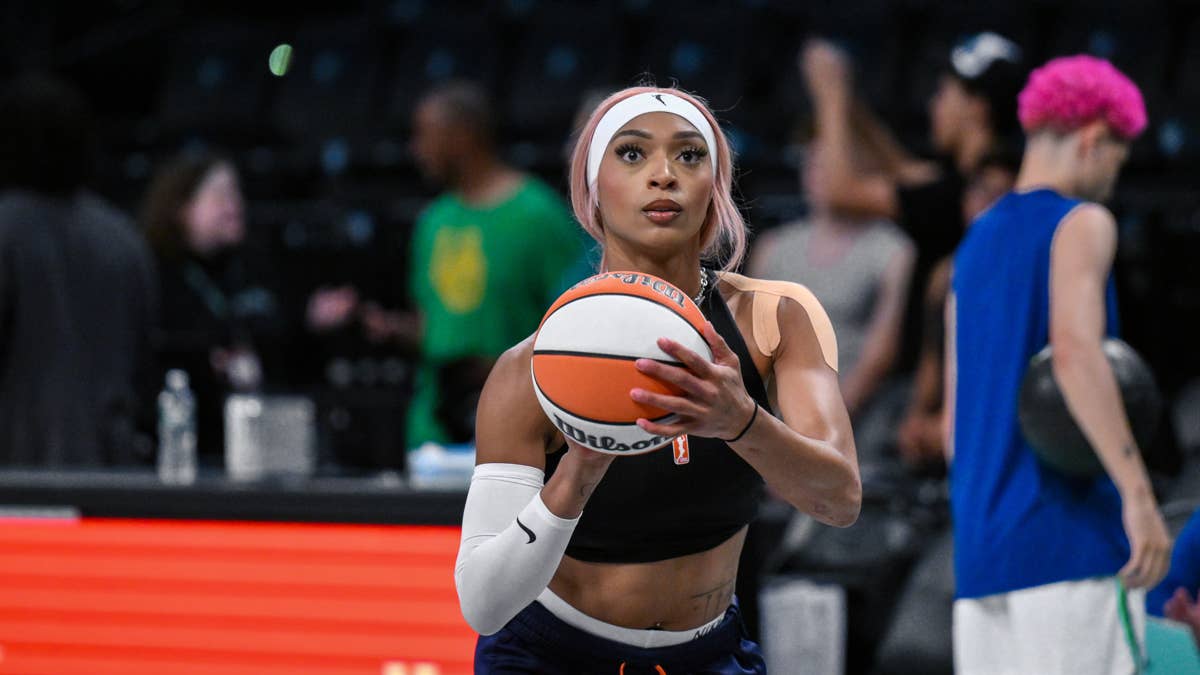
Angel McCoughtry, a five-time WNBA All-Star and two-time Olympic gold medalist, is calling out the league's players, accusing them of chasing clout rather than championships. In her view, the drama that has come to define the WNBA is less about genuine rivalries and more about manufactured attention.
Speaking on the August 12 episode of Court Vision, McCoughtry didn't hold back. She believes that the recent altercation between DiJonai Carrington and Sophie Cunningham—where Carrington was assessed a flagrant foul—wasn't just a hard play but a calculated move for the spotlight.

"Is this a way to get attention? Because in the WNBA, Kelsey Mitchell, who has 16 straight 20-point games, does not have a million followers," McCoughtry said. "It seems like the way to get the attention and get the followers so you can get more money outside the WNBA is to create some negative, messy drama. That's how these girls are getting millions of followers these days. And it's so backwards, and it's so wrong."
McCoughtry, known for her fierce competitiveness during her playing days, sees a troubling trend where players leverage controversy to boost their personal brands. She argues that this approach undermines the integrity of the game and shifts focus away from on-court achievements.
"Your hand goes up to block, not around the neck," McCoughtry said, analyzing the foul. "So to me, whenever an arm is grabbed around like that, it looks more personal. I'm not saying you gotta like Sophie Cunningham, but that's a personal vendetta type thing."
Cunningham, who plays for the Indiana Fever, echoed McCoughtry's sentiments, expressing frustration over being targeted. "She has no reason to be doing any of that," Cunningham said. "I don't even know her. She wasn't even on the team when all that was going on. But I do think when people play the Fever, we're nationally televised, there's a lot of eyes on us. People just want attention. And that's her just trying to get attention."
The incident has sparked debate across the league, with some players defending Carrington and others supporting McCoughtry's critique. This isn't the first time the WNBA has faced questions about the line between competitive fire and theatrics. The league has seen a rise in social media engagement, but McCoughtry worries that the quest for followers is overshadowing the sport itself.
As the WNBA continues to grow, the challenge will be balancing authentic competition with the pressures of building a personal brand. McCoughtry's comments highlight a broader issue in modern sports, where players like Angel Reese navigate the fine line between personality and performance. The league's stars are increasingly aware of their marketability, but at what cost?
McCoughtry's critique resonates with fans who miss the days when the game spoke for itself. She remains a respected voice in the basketball community, and her words carry weight. Whether the league takes heed remains to be seen, but one thing is clear: the drama isn't going away anytime soon.