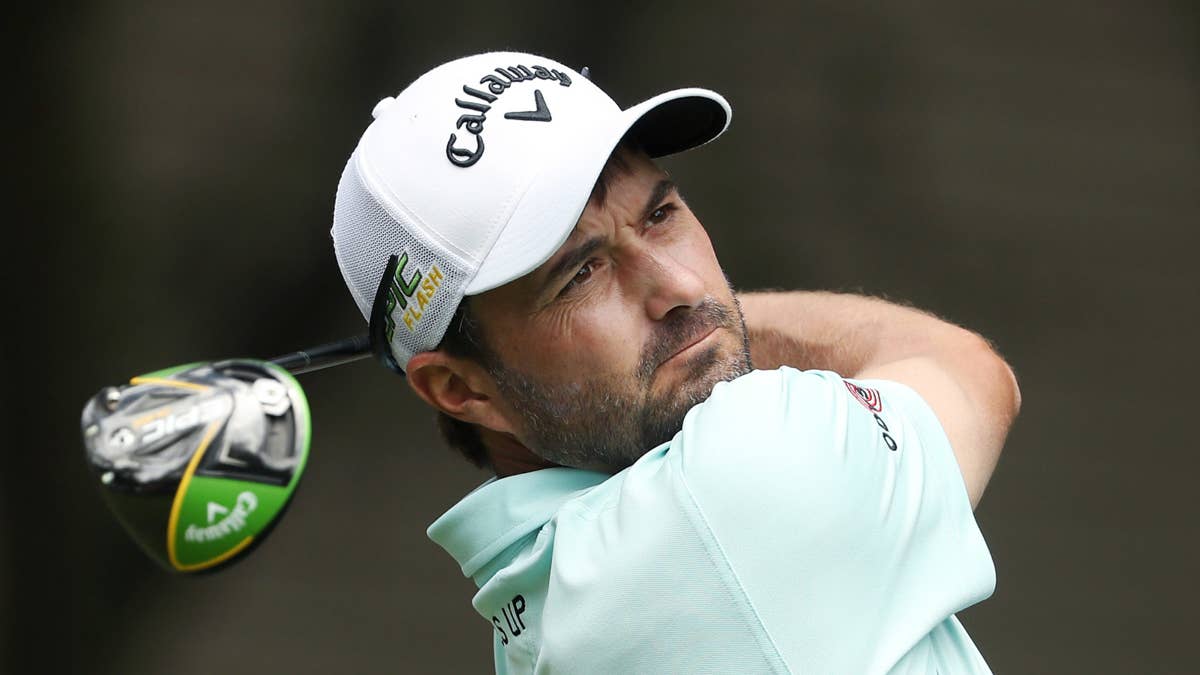
Kevin Kisner, the outspoken golfer-turned-NBC analyst, has extended a public olive branch to the competition. After launching a series of fiery critiques against CBS's coverage of The Masters, Kisner has now issued a formal apology, admitting he stepped over the line.
Watching the tournament from home, Kisner didn't hold back during the event, famously labeling CBS's broadcast a "fantasy world" and expressing confusion over their production choices. His frustration reportedly peaked to the point where he texted a CBS analyst to ask if they planned to show any live golf shots.
A Change of Heart
However, in a recent appearance on the Fore Play podcast, Kisner struck a much more conciliatory tone. "It's been an interesting few days, but it is what it is, man, and I just have to apologize to the golf team at CBS," Kisner stated. "I crossed the line, probably, too much by talking about that whole content."
He went on to acknowledge the immense difficulty of live sports production, drawing from his own brief experience in the booth. "I know from my short time in the business how wild production is, right? It's a very difficult thing to produce a live show and make it all work, and everybody does their best. NBC screws up all the time, and we're just trying to do our best. I went too far on being critical on 'em."
Valid Criticisms, Harsh Delivery
While Kisner's delivery may have been overly sharp, his underlying points weren't entirely without merit. The final round broadcast faced significant hiccups, including missing Rory McIlroy's crucial approach shot on the 18th hole—the very shot that set up his Masters-winning putt. The network also lost track of Cam Young's second shot on the same hole.
The most glaring error for many viewers was CBS's choice of a wide, behind-the-player camera angle for McIlroy's championship-clinching putt, robbing the audience of a clear, dramatic view of the historic moment. Even legendary CBS voice Jim Nantz conceded on The Pat McAfee Show that "mistakes" were made during the broadcast.
This incident highlights the intense pressure and scrutiny facing major sports broadcasts. It's not the first time an on-air personality has had to walk back strong comments, as seen when a volleyball legend's on-air apology sparked debate over celebration culture. Similarly, Auriemma's apology rang hollow for many in the basketball community, showing public mea culpas are often met with skepticism.
The Bigger Picture
Kisner's apology underscores a professional reality in the tight-knit world of sports broadcasting: today's critic could be tomorrow's colleague. His remorse seems genuine, rooted in a newfound respect for the complexities of the job. "I just wanted all the people associated with it to know that I apologize," he concluded.
While the broadcast had its documented flaws, Kisner's retraction serves as a reminder that live television is an imperfect beast. It's a world where, as Kisner noted, everyone is trying their best amidst chaotic conditions. His change of heart mirrors other moments of sportsmanship, like when Bubba Wallace's private apology to a rival revealed his true character after a heated NASCAR incident.
Whether this public apology mends fences fully remains to be seen, but it certainly adds another layer to the ongoing conversation about coverage, criticism, and camaraderie in the sports media landscape.