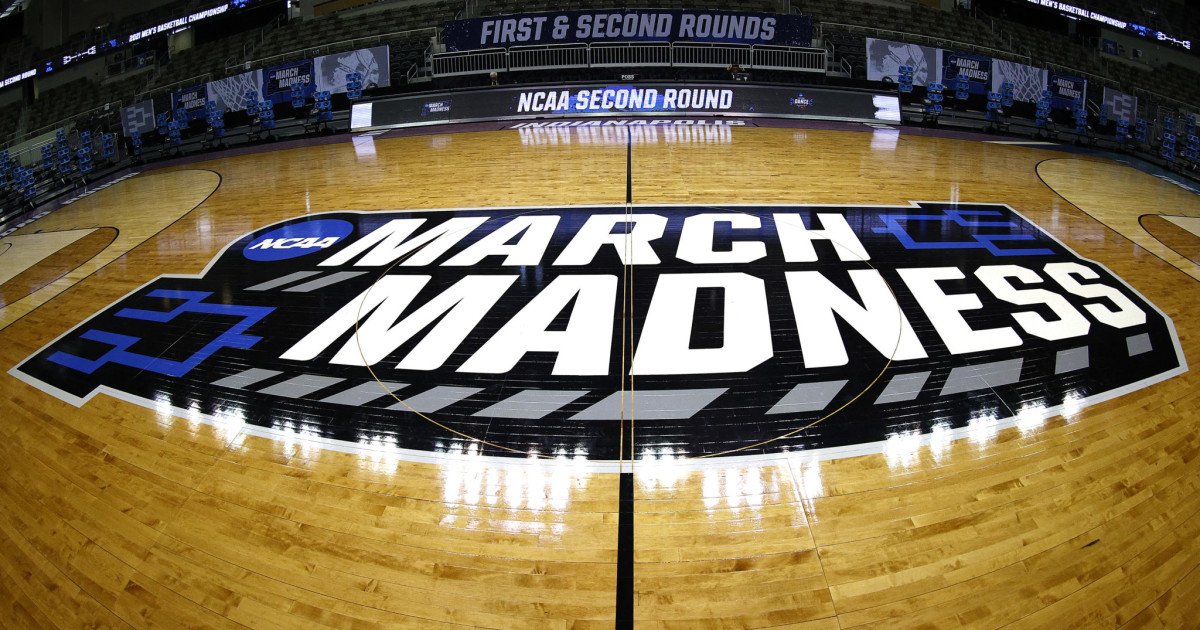
March is here, and with it comes the glorious, bracket-busting chaos of the NCAA Tournament. For three unforgettable weeks, the nation will be captivated by buzzer-beaters and Cinderella stories, all under the guise of beautiful unpredictability. But what if we told you the madness has a method? What if history provides a surprisingly reliable roadmap to cutting down the nets?
The Championship Blueprint
While upsets define the early rounds, the final act often follows a familiar script. A deep dive into the numbers reveals a powerful predictor of national champions: the NET rating. Specifically, teams that enter the tournament with a NET rating of 35.0 or higher have historically dominated the final weekend.

The evidence is compelling. In the history of the metric, ten squads have achieved this elite threshold. Of those ten, a staggering seven advanced to the national championship game. More importantly, four of them—a 40% hit rate—claimed the title. In a 68-team field where anything can happen, a near 50% chance of playing for a championship is a monumental statistical advantage.
The Elite Four of 2026
So, which teams carry this championship pedigree into the 2026 Big Dance? The list is exclusive, featuring just four powerhouse programs:
- Duke Blue Devils
- Arizona Wildcats
- Michigan Wolverines
- Florida Gators
These are the only teams in the country currently boasting a NET rating at or above the magic 35.0 mark. According to the historical precedent, the eventual champion will almost certainly emerge from this quartet. It’s a stark reminder that while mid-majors can provide the drama, the sport's bluebloods, armed with superior efficiency on both ends of the floor, are built for the six-game grind to a title.
What the Computers Say
The analytical perspective reinforces this historical trend. ESPN’s Basketball Power Index (BPI), a sophisticated model designed to predict future performance, has consistently highlighted these same teams. The BPI accounts for a multitude of factors including opponent strength, pace of play, location, and rest to simulate the season thousands of times.
Currently, the model places the Duke Blue Devils at the summit, labeling them the team to beat. Their combination of top-tier talent, coaching, and both offensive and defensive efficiency makes them a formidable favorite. However, Arizona, Michigan, and Florida are all clustered closely behind, each possessing the balanced strength that the BPI—and history—values so highly in a champion.
This convergence of historical data and modern analytics creates a powerful narrative. It suggests that for all the talk of parity and unpredictability, the fundamental qualities of a national champion remain identifiable. Dominant efficiency, reflected in that critical NET rating, separates the true contenders from the hopefuls.
As you fill out your bracket, you’ll be tempted by compelling underdogs and compelling storylines. But when making your final pick, remember the weight of history. The numbers tell us that the road to the championship, while winding, very likely runs through Durham, Tucson, Ann Arbor, or Gainesville. One of these four giants is statistically destined to stand tall when the final confetti falls.