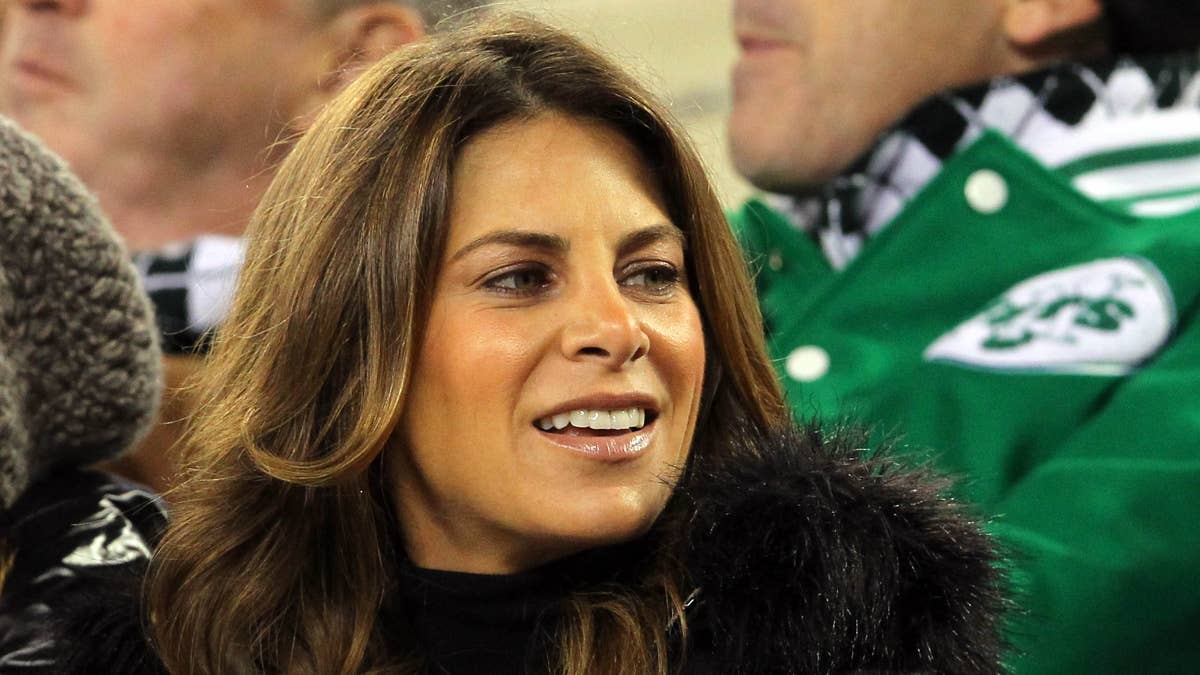
Jillian Michaels, the fitness mogul famous for her tough-love approach on "The Biggest Loser," is turning her critical eye toward the WNBA. In a recent appearance on NewsNation, Michaels didn't hold back, calling for a full-scale boycott of the league until it addresses what she sees as serious issues with player behavior and officiating.
"I think we should boycott it," Michaels said. "But what's distressing is you want to support the players. You want to support women in sports. But maybe not watching is the way to do that right now until they change their ways."
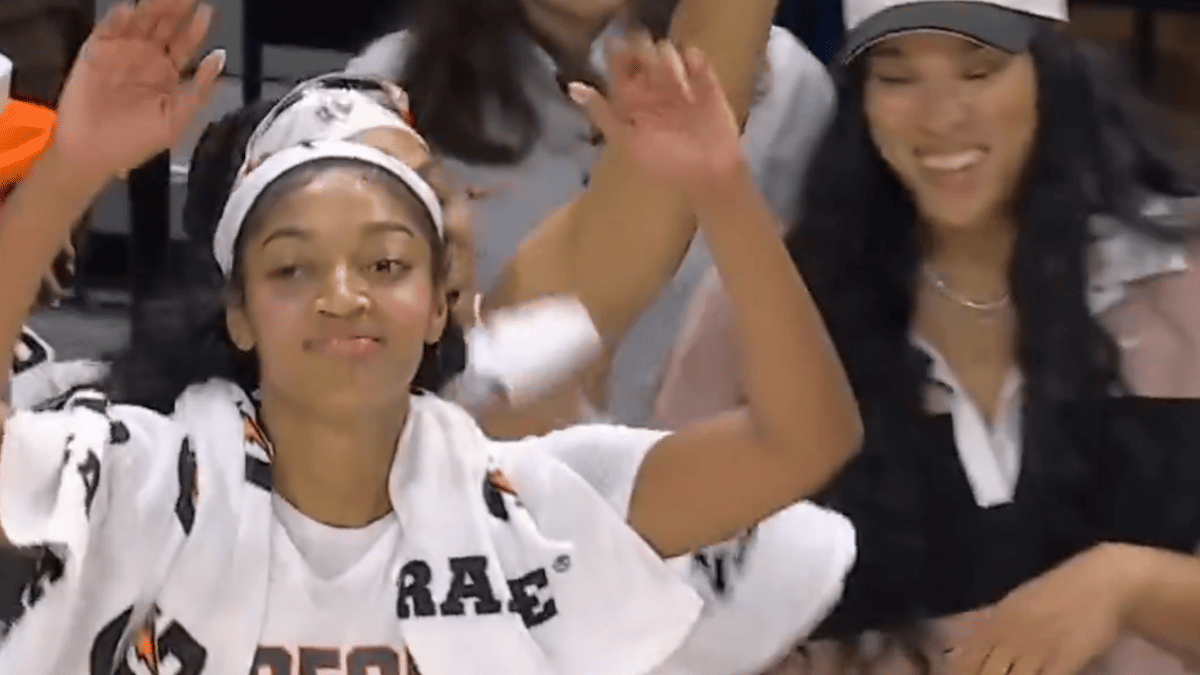
Her frustration stems from a series of incidents, including a hard foul on Sophie Cunningham that drew widespread criticism. But the tipping point appears to be the announcement that former NBA players Royce White and Enes Kanter have officially declared for the WNBA Draft, a move that has reignited debates about gender and competition in professional sports.
"The good news is that we've had some lovely gentlemen step up and force the hand of the WNBA," Michaels said. "You've seen this gentleman, Enes, come forward and Royce come forward and expose the absolute absurdity of allowing biological men to compete in biological female sport."
Kanter, who played 11 seasons in the NBA, released a statement on social media declaring his eligibility, citing the league's own guidelines on self-identification. "If simply declaring who you are is all that's required, then I meet every single requirement necessary to compete in the WNBA," he wrote. "My team and I have carefully examined the WNBA's eligibility criteria and governing framework surrounding self-identification and inclusion. Based on the current guidelines, I can and am officially declaring my eligibility for the upcoming WNBA draft in April 2027."
The WNBA has not yet responded to these declarations, but the situation has already sparked intense debate among fans and analysts. Some see it as a stunt, while others view it as a legitimate challenge to the league's policies. This comes on the heels of other controversies, including unequal treatment of stars like Caitlin Clark, which has only added to the scrutiny.
Michaels' call for a boycott echoes similar movements in other sports. For instance, European soccer giants have threatened to boycott the World Cup over financial disagreements, showing that fan and player activism can force change. Whether the WNBA will cave to such pressure remains to be seen.
The league has been growing in popularity, but this controversy could test its fan base. Michaels, who has a massive following, could influence public opinion. However, not everyone agrees with her approach. Some argue that boycotting would hurt the very players she claims to support, especially in a league that has fought hard for visibility and respect.
As the debate rages on, one thing is clear: the WNBA is at a crossroads. With other sports facing their own crises, the league's next moves will be closely watched. Will it address the concerns raised by Michaels and others, or will it stand firm? Only time will tell.