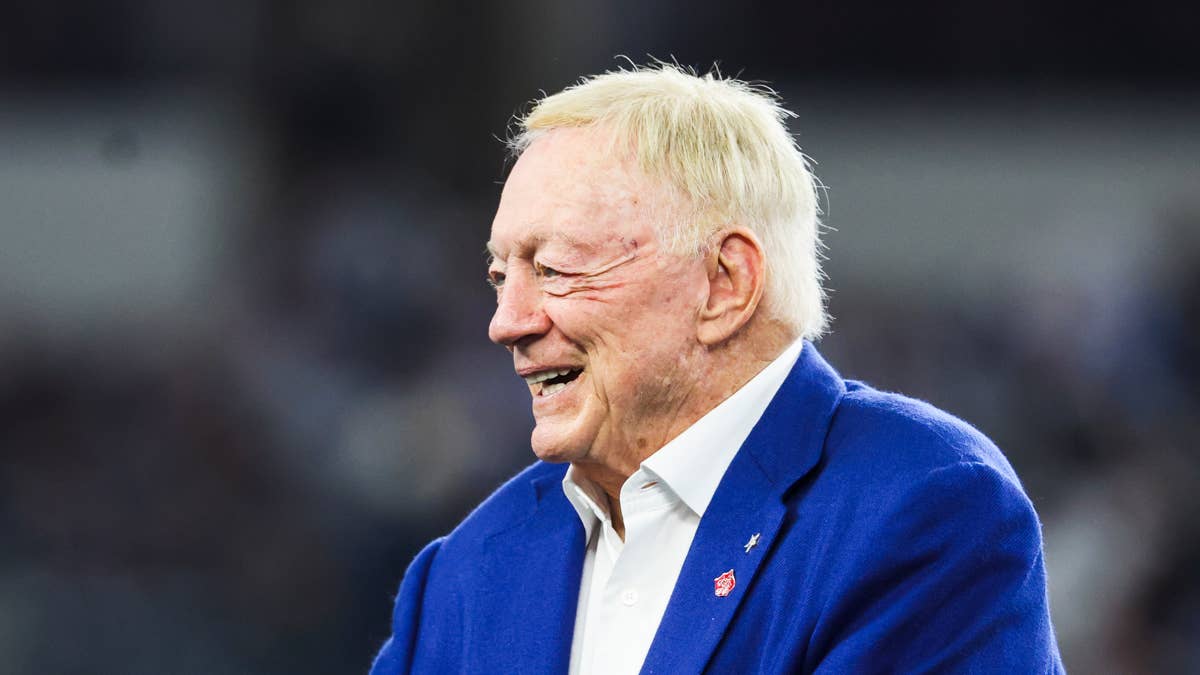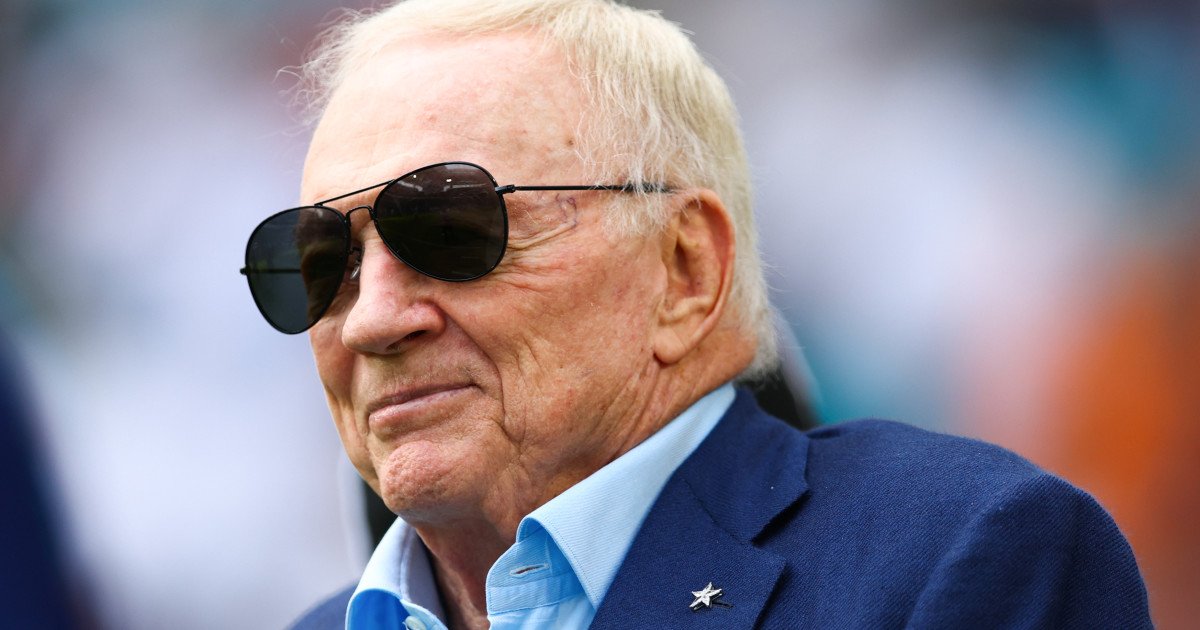
Here we go again. The Dallas Cowboys are facing a pivotal contract negotiation with a star player, and owner Jerry Jones is making headlines for his preferred—and controversial—bargaining style. This time, wide receiver George Pickens is in the crosshairs, and Jones is repeating a familiar refrain: why use an agent at all?
Pickens, acquired in a trade that now looks like a masterstroke, led the Cowboys in receiving last season and is entering a contract year. While the team would love to lock him down long-term, Jones has expressed clear reluctance to work through Pickens' representative, powerful agent David Mulugheta. In comments to NFL Network, Jones suggested Pickens would be better off cutting out the middleman. "If he worked without an agent, he'd save a lot of money... with me," Jones quipped.
A Pattern That Plagues Progress
This isn't a new strategy for the Cowboys' owner; it's a well-worn play from his personal playbook. Jones has a history of clashing with agents, often advocating for direct negotiations with players. While he frames it as saving players money on commissions, critics see it as an attempt to gain leverage and control in talks. The result? A troubling pattern where top talent either departs via trade or hits free agency after prolonged stalemates.
Fans need look no further than last year's saga with Micah Parsons—who, notably, shares the same agent, David Mulugheta. Jones' inability to find common ground with Mulugheta culminated in the shocking trade of the defensive star to the Green Bay Packers, where Parsons promptly landed a historic $46.5 million-per-year deal. That episode alone raises serious questions about whether Jones' approach truly serves the player's—or even the team's—best financial interests.
The Bigger Picture in Dallas
This recurring drama feeds directly into the larger narrative surrounding the Cowboys' prolonged championship drought. As the league evolves with massive contracts and complex cap management, Jones' old-school, agent-averse tactics are increasingly viewed as an organizational hindrance. While other franchises navigate the agent relationship to secure their core talent, Dallas often seems to be fighting against it. Many analysts point to this friction as a key reason the Cowboys haven't reached a Conference Championship Game in three decades, a period during which even struggling franchises have managed to break through.
For George Pickens, the calculation seems straightforward. Mulugheta, one of the NFL's most formidable negotiators, secured Parsons a market-resetting deal. Even after the agent's fee, the net result for the player is almost certainly a far larger contract than what would emerge from a direct, unrepresented talk with ownership. Pickens is surely aware that Jones' offer to "save money" might ultimately cost him millions in career earnings.
The situation begs a significant question: when will the league or the NFL Players Association intervene? Actively encouraging players to dismiss their certified union representatives skirts the spirit of the NFL's collective bargaining agreement and could be seen as undermining the player-agent relationship. With the NFL continually updating its rulebook to address competitive and operational issues, this type of owner conduct might eventually land on the agenda.
As the 2026 season approaches, all eyes will be on whether Pickens follows the path of Parsons or if a compromise can be found. Jones' comments have once again thrown a cloud of uncertainty over a key player's future in Dallas. For a franchise that perpetually operates under a championship-or-bust microscope, these self-inflicted contract dramas are a distracting and costly subplot. The Cowboys' quest to return to glory is hard enough without their owner creating unnecessary hurdles in retaining the very talent needed to get there.