The sports media world was rocked this week by the resignation of veteran NFL reporter Dianna Russini from The Athletic, following the fallout from a scandal involving New England Patriots head coach Mike Vrabel. While the incident has sparked intense conversation about ethics and reputation, one prominent voice is pushing back hard against a particular narrative gaining traction online.
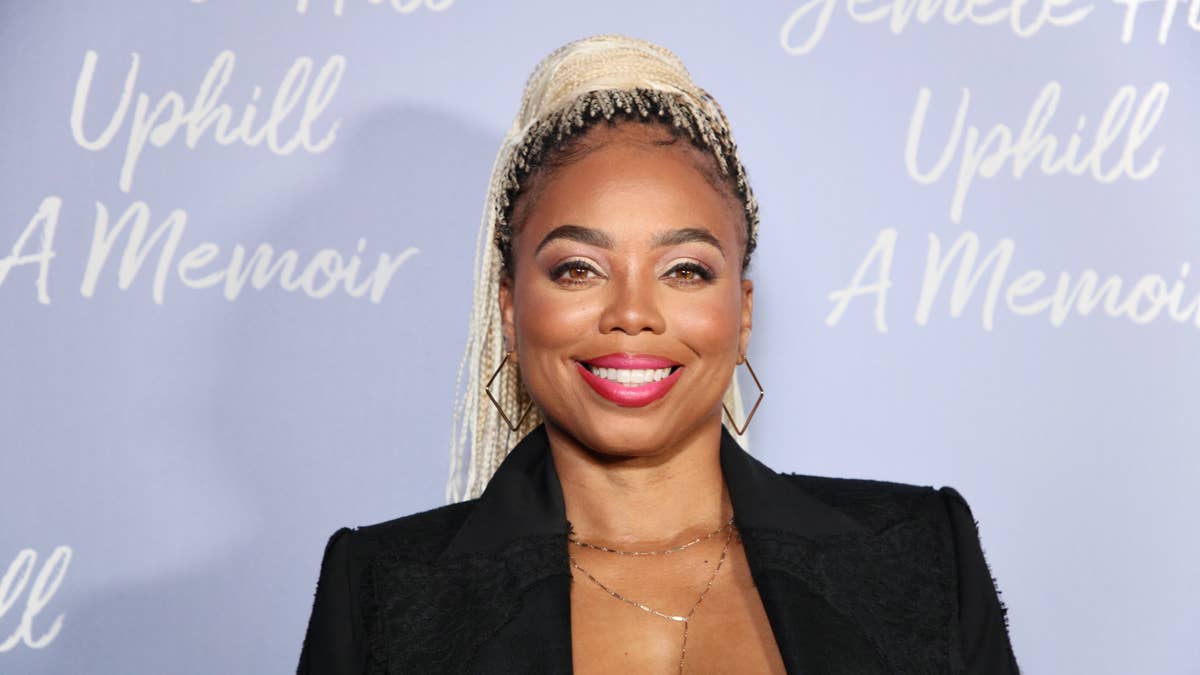
Jemele Hill, the acclaimed journalist and commentator, made a powerful appearance on The Dan Le Batard Show where she addressed attempts to use Russini's situation to broadly discredit women in sports media. Hill didn't mince words, arguing that the criticism says more about the critics than the profession.

"Men who say this undermines the credibility of female journalists probably already believed that," Hill stated bluntly. Her point cuts to the core of the debate: are these genuine concerns about a single incident, or are they revealing a pre-existing bias against women in the field?
Hill's comments ignited immediate reaction across social media, creating a clear divide. Some users rallied behind her perspective, noting that those most loudly pushing this narrative have a history of dismissing female journalists. "If a man did say that you are right, they didn't respect you before the Russini situation," one supporter wrote, echoing Hill's sentiment.
Others expressed concern that regardless of intent, the controversy could still fuel damaging stereotypes. One counterpoint argued, "You just don't want an issue that is unfortunately already thought of a certain way to pick up steam," drawing a parallel to other forms of prejudice. The discussion reflects the ongoing challenges women face in sports media, a topic Elle Duncan recently addressed head-on.
This isn't the first time Hill has called out perceived double standards. She has a history of challenging the industry's status quo, as seen when she blasted what she sees as the NFL media's inconsistent treatment of different figures in similar situations. Her latest remarks add fuel to a fire that shows no signs of dying down.
Meanwhile, the practical fallout continues. The Athletic now faces the task of replacing a top insider, while Russini is expected to land elsewhere in the industry. The organization's response has been closely watched, especially after an internal memo regarding her exit was reportedly leaked.
For aspiring female journalists watching this saga unfold, Hill's message offers a defiant perspective: don't let isolated incidents define an entire group's credibility. She suggests the real issue lies with those who were looking for a reason to doubt women's reporting in the first place.
As the news cycle inevitably moves on, the questions Hill raises will linger. Does one reporter's controversy truly impact the standing of her peers, or does it simply expose existing prejudices? In the fast-paced world of sports media, where networks are already facing scrutiny for their coverage of the story, these are debates that extend far beyond a single resignation.