The 2026 FIFA World Cup is not just a showcase of the world's best soccer talent—it's also a battleground against digital piracy. In a sweeping crackdown, authorities have taken down nearly 1,800 websites that were illegally streaming matches, sending a clear message that the days of free, stolen access are numbered.
The Trustworthy Accountability Group (TAG), a nonprofit focused on fighting ad-related crime, announced it has cut off advertising revenue to roughly 1,400 sites that were profiting from pirated World Cup streams. Meanwhile, the U.S. Department of Justice revealed it has seized 400 domains tied to illegal streaming operations, targeting servers and networks in countries including Peru, Bulgaria, Croatia, Romania, Poland, and Colombia.

Cutting Off the Cash Flow
“Global sporting events like the World Cup are prime targets for criminals who try to intercept legitimate ad dollars by stealing popular streaming content,” said TAG COO Rachel Nyswander Thomas in a statement. “The TAG AdSec Threat Exchange has created an early-warning system to identify and block ad revenue to websites that are profiting from stolen content.”
This first-of-its-kind initiative aims to fight piracy in near-real time by starving the pirates of their main source of income: advertising. The effort is part of a broader strategy to make illegal streaming less lucrative and harder to sustain.
FIFA, Warner Bros., and beIN Media provided key intelligence to the DOJ, helping to identify and dismantle the networks behind the illegal streams. “We have seized hundreds of domains used to illegally stream World Cup matches for profit, to disrupt the international networks that profit from the global popularity of the World Cup,” said DOJ Assistant Attorney General A. Tysen Duva. “This operation illustrates the department’s respect for intellectual property rights and the responsibility of the United States as a host nation to protect the FIFA World Cup from criminals.”
A Persistent Game of Whack-A-Mole
Despite the impressive numbers, the fight against online piracy is far from over. As soon as one illegal site is taken down, another often pops up in its place. The cat-and-mouse dynamic means that while these crackdowns are effective in the short term, they require constant vigilance.
As long as fans are unable or unwilling to pay for official broadcasts, piracy will remain an attractive alternative. The 2026 World Cup, which is being co-hosted by the United States, Canada, and Mexico, has drawn massive global viewership—and with it, a surge in illegal streaming activity.
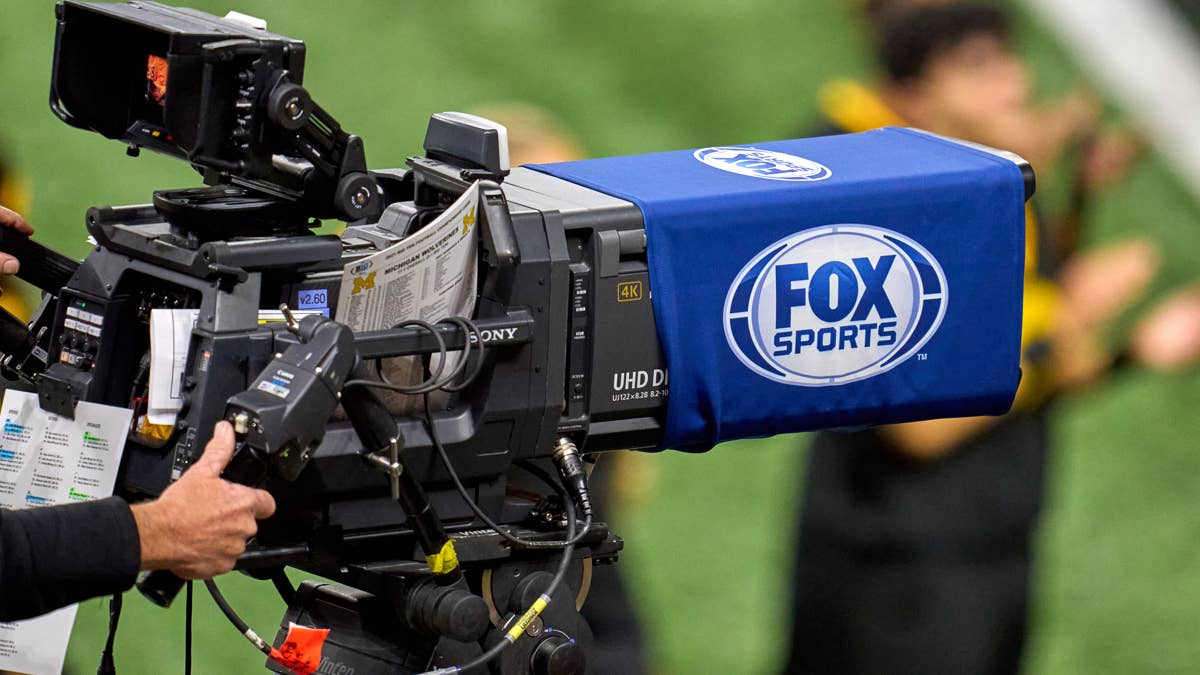
The crackdown has been widely praised by rights holders and broadcasters, including Fox, which has taken its World Cup studio show on the road for the knockout rounds. The network has invested heavily in coverage and is eager to protect its investment.
For now, the message from FIFA and law enforcement is clear: stealing World Cup streams comes with serious consequences. But as the digital arms race continues, the question remains whether these measures can keep pace with the ingenuity of pirates.