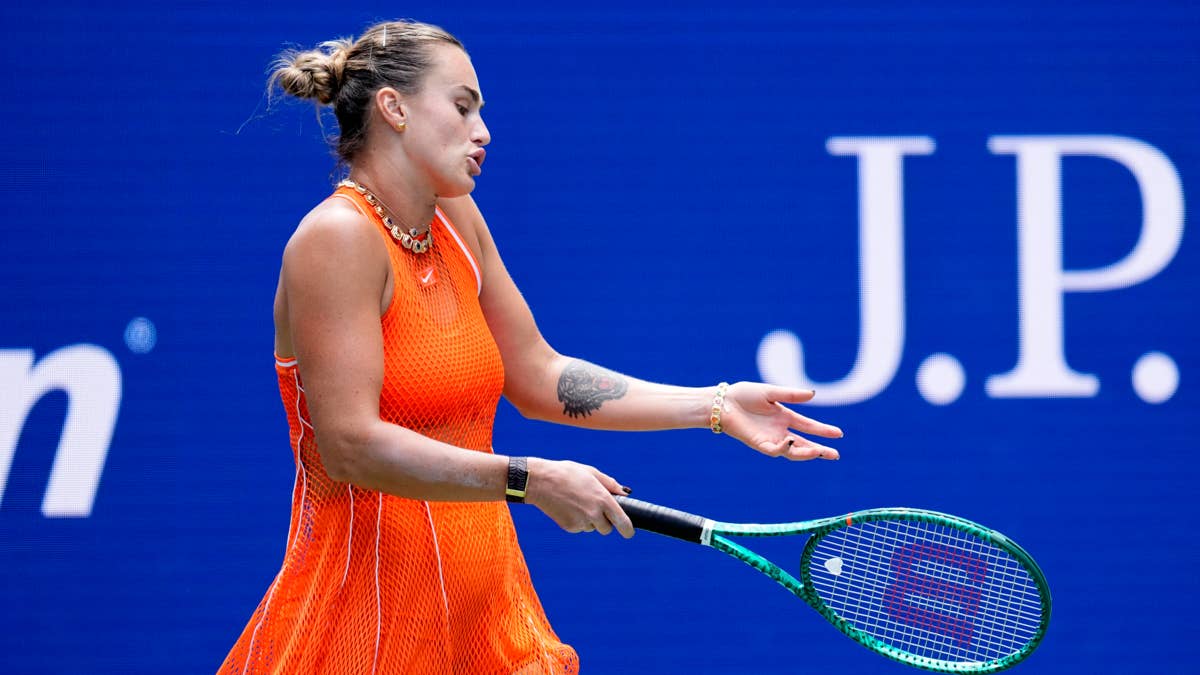
The tennis community is up in arms after a bogus AI-generated image of Anna Kalinskaya began circulating on social media, reigniting debates over the misuse of artificial intelligence in sports.
The fabricated photo, which appeared on Facebook, depicts the Russian star in a highly revealing outfit and dubs her the game's most beautiful player. But it's a hoax — and a pretty obvious one at that. The image bears all the hallmarks of AI manipulation, from distorted proportions to unnatural lighting.
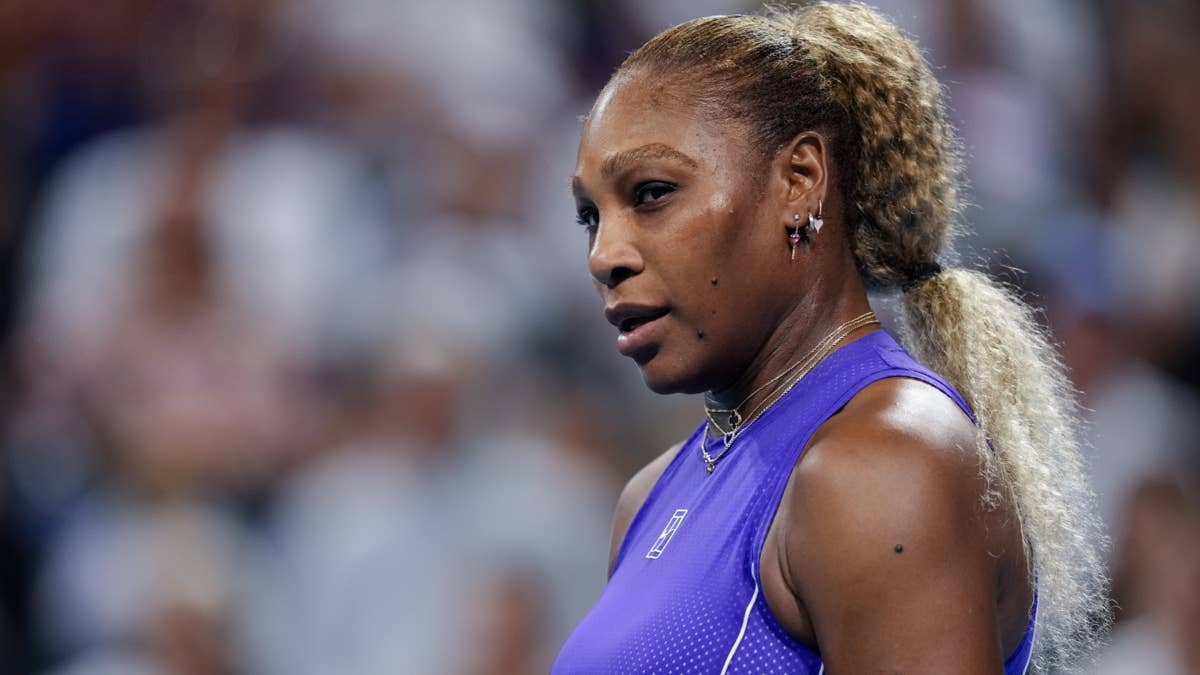
Fans and players alike are furious. "It's a plague," one observer commented, capturing the widespread frustration. Another fan wrote, "I'd rather focus on the game. Their bodies are not for public display." The sentiment echoed across platforms: "So wrong," one user said, while another added, "Hate this trend. It's offensive to everyone."
This incident is part of a growing wave of AI-generated content targeting athletes, commentators, and even fans. As technology improves, so does the sophistication of these fakes, making it harder for the average person to separate fact from fiction. The tennis world, however, isn't taking it lying down.
The outrage over Kalinskaya's fake photo follows a pattern of similar controversies in sports. For context, fans have also reacted strongly to real photos of players, but the line between authentic and synthetic is blurring rapidly. The Kalinskaya case underscores the need for better digital literacy and platform accountability.
This isn't just about one player. It's about respect, privacy, and the integrity of the sport. As one fan put it, "AI is the plague. Or maybe not. Idk. But yeah, 100% AI." The confusion in that comment says it all — people are struggling to navigate a world where seeing is no longer believing.
The tennis community's backlash serves as a reminder that athletes deserve to be celebrated for their skills, not objectified or manipulated. While Caroline Wozniacki's real vacation photos spark joy, fakes like this only fuel harm. It's a distinction that matters more than ever.
As AI continues to advance, the responsibility falls on social media platforms to curb the spread of deceptive content. Until then, fans and players alike must stay vigilant — and call out what's clearly not okay.