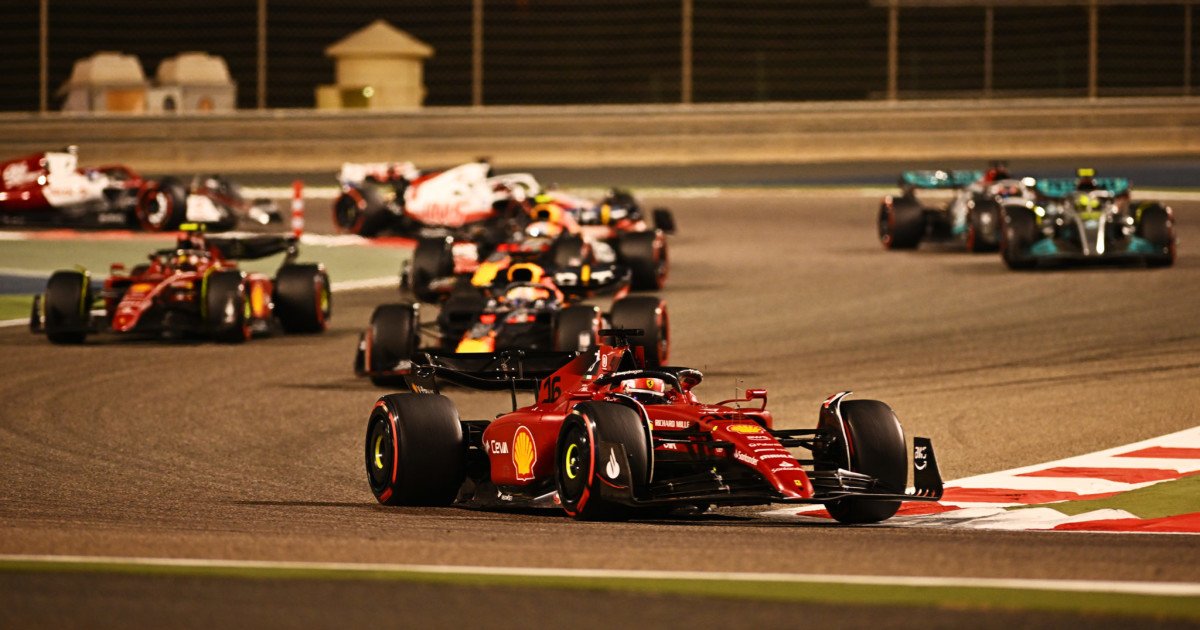
The high-speed world of Formula 1 has been forced to hit the brakes, with two major Grands Prix officially scrapped from the 2025 calendar. Citing mounting safety concerns from escalating regional conflict, organizers have canceled the Bahrain Grand Prix scheduled for April 12 and the Saudi Arabian Grand Prix set for April 19. This dramatic move underscores how geopolitical tensions are crashing directly into the global sports arena.
Reports from major outlets, including Sky Sports News, confirm the consecutive weekend races in Sakhir and Jeddah will not proceed. "The decision was made with the safety of all personnel, teams, and fans as the absolute priority," an industry source stated. This isn't just a scheduling hiccup; it's a clear signal that the ongoing conflict is creating an untenable environment for hosting international events of this scale.

A Domino Effect Across Sports
Formula 1's dilemma is far from an isolated incident. The ripple effects of the conflict are paralyzing sports across the region and beyond. Domestic leagues and continental tournaments have been suspended or delayed, while athletes and staff face travel chaos. High-profile examples, like a top European soccer coach being stranded and unable to reach his team in Qatar, highlight the logistical nightmare unfolding.
The disruptions threaten to extend well beyond the spring. If tensions persist, the season-ending Qatar Grand Prix in late November and the Abu Dhabi Grand Prix in early December could also be in jeopardy. The uncertainty casts a long shadow over F1's meticulously planned global tour, forcing teams and sponsors into a holding pattern.
Global Events in the Crosshairs
The impact is reverberating on the world's biggest stages. The upcoming 2026 FIFA World Cup is facing immediate questions, with Iran's sports minister suggesting the national team may not travel to tournament host the United States. Such a move would force FIFA into unprecedented diplomatic and scheduling challenges, proving that no event is immune.
From the Milano Cortina Winter Paralympics to relocated exhibition events, the conflict is creating a web of logistical and financial headaches. A high-profile flag football event featuring legends like Tom Brady was swiftly moved from Riyadh to Los Angeles, a tangible example of the rapid contingency planning now required. The intersection of global politics and sports is creating a volatile landscape for federations, broadcasters, and fans alike.
Safety: The Non-Negotiable Priority
At its core, this wave of cancellations reinforces a fundamental principle: safety is non-negotiable. The decision to cancel major races, despite the enormous economic implications, sets a stark precedent. It echoes concerns seen in other sports, where athlete and fan welfare is paramount, much like the community support seen in the WNBA during safety crises.
The situation remains fluid, with Formula 1 and other international bodies closely monitoring developments. For now, the roar of F1 engines will be absent from the Middle Eastern desert this April. The hope is for a swift resolution, but the global sports calendar must now navigate an era where geopolitical stability is as crucial as ticket sales and television ratings. The world is watching, waiting to see if the checkered flag can fall on these tensions before more events are left in the dust.