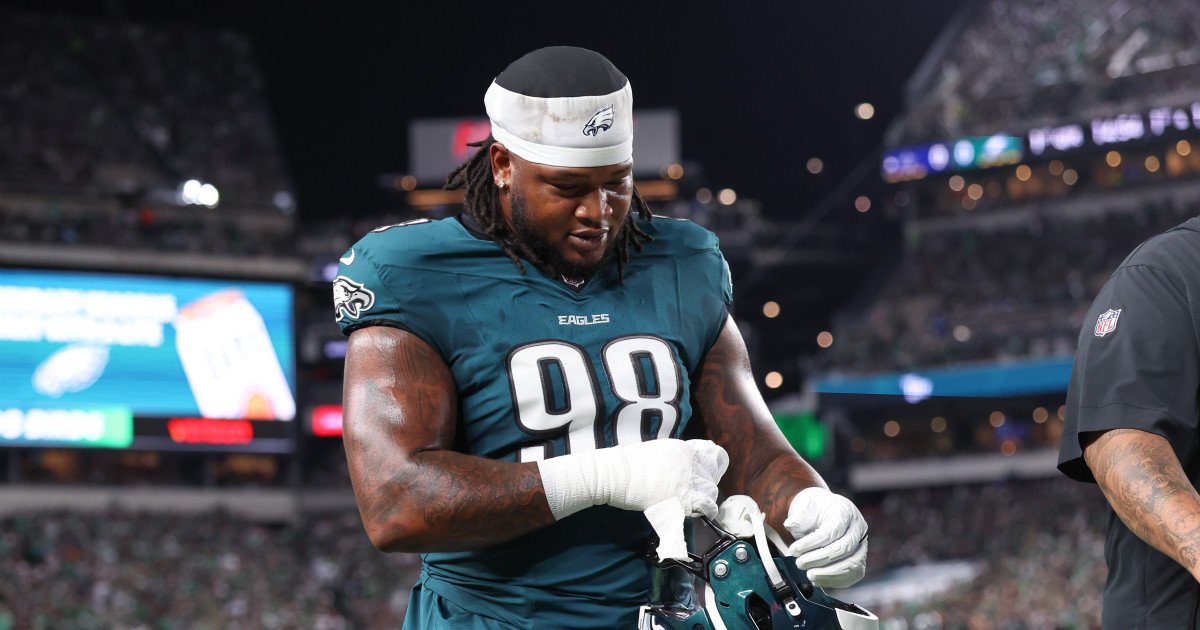
The NFL's pre-free agency frenzy has Philadelphia Eagles supporters holding their breath. As the league's legal tampering window approaches, a seismic shift appears imminent along the Eagles' defensive front, with star tackle Jalen Carter reportedly on the trading block.
This bombshell development follows directly on the heels of the franchise securing Jordan Davis with a historic contract extension, making him the highest-paid defensive tackle in NFL history. The financial implications are stark: Philadelphia seems unlikely to commit another mammoth deal to Carter, who lines up right beside Davis. With Carter's contract set to expire after the upcoming season, the Eagles' front office appears to be making a calculated, if painful, business decision.
A City Divided
The news has split the Eagles' passionate fanbase right down the middle. Some see the writing on the wall, reluctantly accepting the salary cap realities of the modern NFL. Others are furious, viewing a potential Carter trade as a catastrophic misstep by General Manager Howie Roseman.
The debate is raging on social media and sports talk radio. One fan argued on X, "Trading Carter now might be the smart play. Imagine getting multiple first-round picks and a player instead of being strapped by a $40 million-a-year contract." This pragmatic view clashes with the emotional investment many have in Carter's prodigious talent.
Another supporter fired back, criticizing the Davis extension: "This is a huge error. Davis got more snaps because Carter was playing hurt! He's not the consistently disruptive force Carter is. We're prioritizing the wrong guy." A third fan summed up the grim financial reality: "There's just no feasible way to pay both of them without gutting the rest of the roster."
The Domino Effect of a Record Deal
The record-shattering deal for Jordan Davis has set this entire situation in motion. It's a classic NFL roster puzzle: allocating limited resources to maximize talent. By investing heavily in Davis, the Eagles may have signaled that Carter's long-term future lies elsewhere, prompting them to seek value in a trade now rather than risk losing him for nothing in free agency next year.
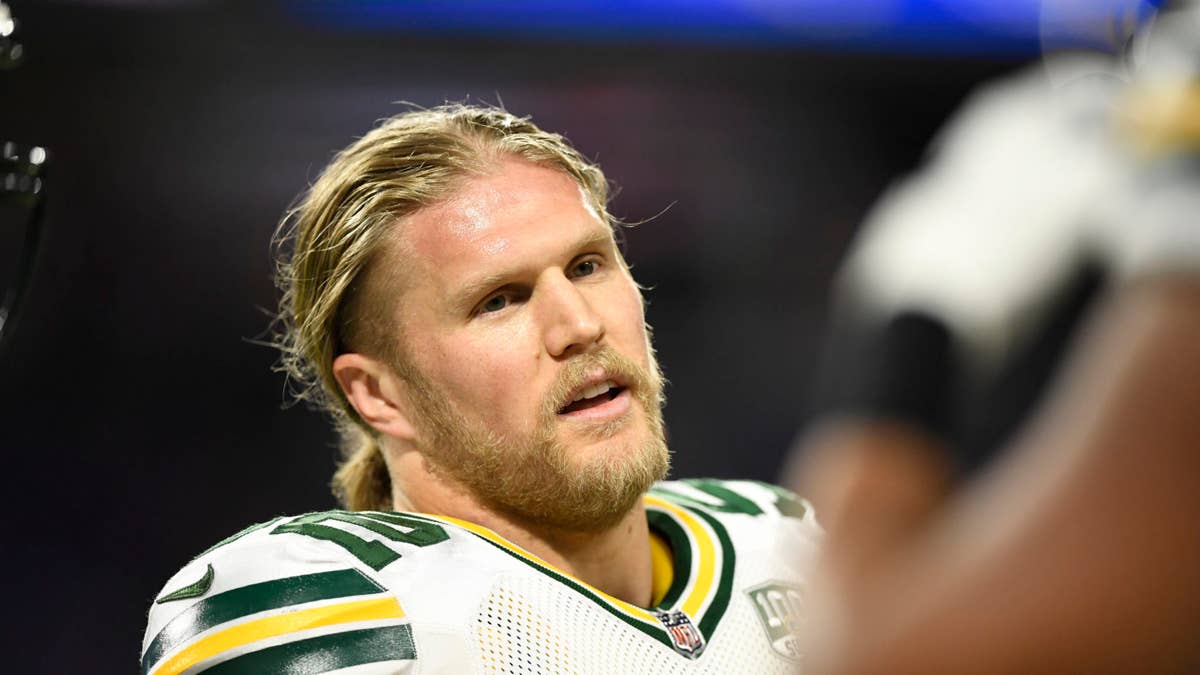
This kind of high-stakes maneuvering is defining the current NFL landscape, where teams like the Colts and Packers are also making surprise moves to reshape their defenses. For Philadelphia, the decision carries extra weight. Carter, a first-round pick just two years ago, was seen as a cornerstone for the next decade. The possibility of his departure so soon has left many wondering if his time in midnight green is already on borrowed time.
What's Next for the Eagles' Defense?
If Carter is traded, it creates a massive void in the heart of the Eagles' defensive line. The team would need to immediately identify a new partner for Davis, potentially through the draft or by targeting a more affordable free agent. The move would also free up significant capital, which Roseman could use to address other pressing needs, perhaps even making a splashy move for a star at another position.
This saga is a reminder that in today's NFL, even the most promising young stars aren't untouchable. As the firestorm over the Carter trade buzz demonstrates, balancing championship aspirations with cold, hard salary cap math is the ultimate challenge. With free agency about to kick off, the Eagles' decision on Carter will be one of the league's most closely watched storylines, a move that could define their trajectory for years to come.