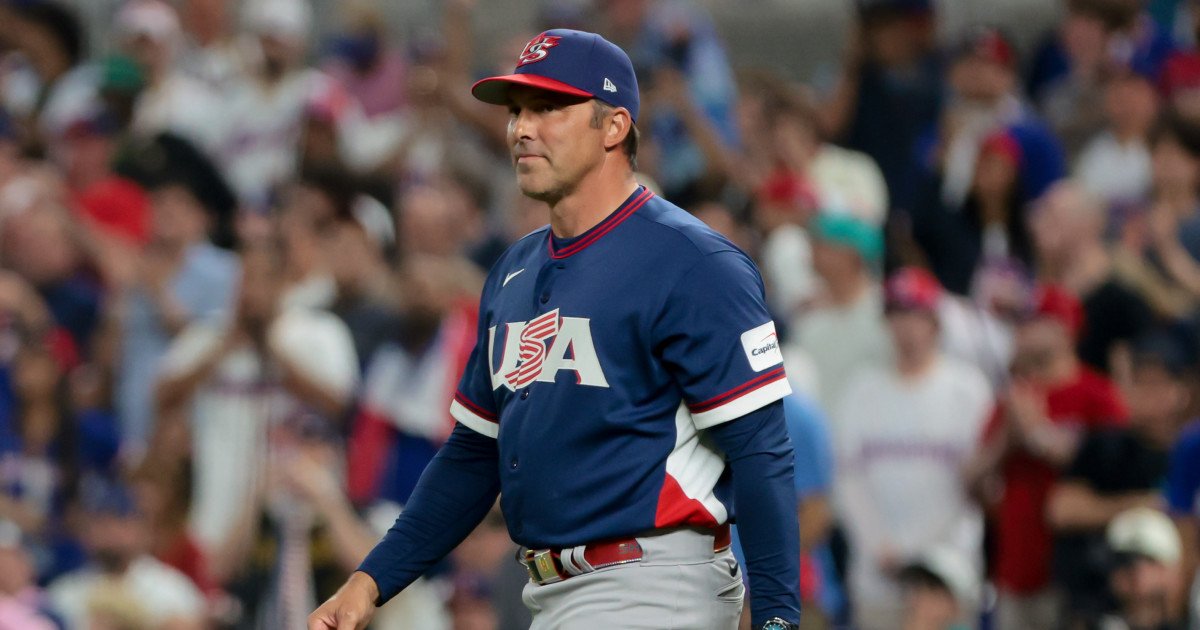
The dream of a World Baseball Classic title for Team USA slipped away in agonizing fashion Tuesday night, with a 3-2 loss to Venezuela in the championship game. The defeat has ignited a firestorm of debate, centering on one pivotal managerial decision in the game's final, tense moments.
A Ninth-Inning Gamble That Backfired
After Bryce Harper electrified the U.S. crowd with a game-tying, two-run blast in the eighth, the stage was set for a dramatic finish. With the score knotted at 2-2 in the top of the ninth, manager Mark DeRosa made the call that would define the night. He turned to reliever Garrett Whitlock, bypassing the electric arm of Mason Miller. The move proved instantly costly, as Venezuela's Eugenio Suárez laced a go-ahead RBI double, providing the decisive run in a contest where every pitch carried the weight of a nation.
In the quiet aftermath of the defeat, the question was inevitable: Why not Miller? DeRosa's answer pointed directly to the delicate balance of managing an all-star team of players on loan from their MLB clubs. "Honoring the Padres," DeRosa told reporters succinctly. "Had we taken the lead, he was coming in, but I wasn't going to bring him in to a tie game." The explanation revealed a pre-existing understanding with Miller's parent club, the San Diego Padres, highlighting the unique constraints of the international tournament.
DeRosa's Desire to Run It Back
Despite the heartbreak of a second consecutive narrow WBC final defeat—both by a 3-2 score—DeRosa's passion for leading the national team remains undimmed. When asked about returning to manage Team USA in 2030, his response was emphatic. "Oh, it would be 100 percent yes to do it again. I'd love to get over the finish line," he said, visibly moved by the emotion in the locker room. "For some reason, this WBC has become a tidal wave of emotion for a lot of guys. You get them in the room representing their country, coming together for two-and-a-half weeks, the buy-in. It's infectious in there."
This sentiment echoes the powerful feelings other stars have expressed about the tournament's magnitude, similar to Aaron Judge's goosebump-inducing WBC take that called the event "bigger than the World Series."
A Divided Fanbase Looks Ahead
While DeRosa is eager for another shot, a significant portion of the American baseball fanbase has made its preference clear: they want a new voice in the dugout for the next tournament. The criticism stems not just from the final loss, but from a series of strategic choices throughout the event, including his lineup shake-up for the WBC semifinal clash with the Dominican Republic. The debate over his bullpen management in the championship is sure to fuel discussions for years to come.
The loss also casts a shadow over what was otherwise a massively successful tournament for the WBC brand, which was set to smash records and cement its historic legacy regardless of the final outcome. The event's growth and the intense national pride it inspires are now undeniable forces in the sport.
The Unenviable Manager's Chair
DeRosa's predicament underscores the immense pressure and second-guessing that comes with managing a team of superstars under a global spotlight. Every move is magnified, and the line between genius and mistake is razor-thin. His explanation about Miller shows the behind-the-scenes agreements that fans rarely see but can dramatically impact the on-field product. It's a reminder that in an event of this prestige, the manager must answer to multiple masters: his country, his players, and their professional teams.
As the sting of this defeat slowly fades, the focus for USA Baseball will turn to the future. The 2030 WBC seems a lifetime away, but the groundwork for that campaign begins now with evaluations and conversations. Whether DeRosa is part of that future remains the hottest question, setting the stage for another chapter in the ongoing saga of America's quest for international baseball supremacy. For now, the manager is left to defend a tough call, while a nation of fans is left to wonder what might have been if a different arm had gotten the ball with everything on the line.