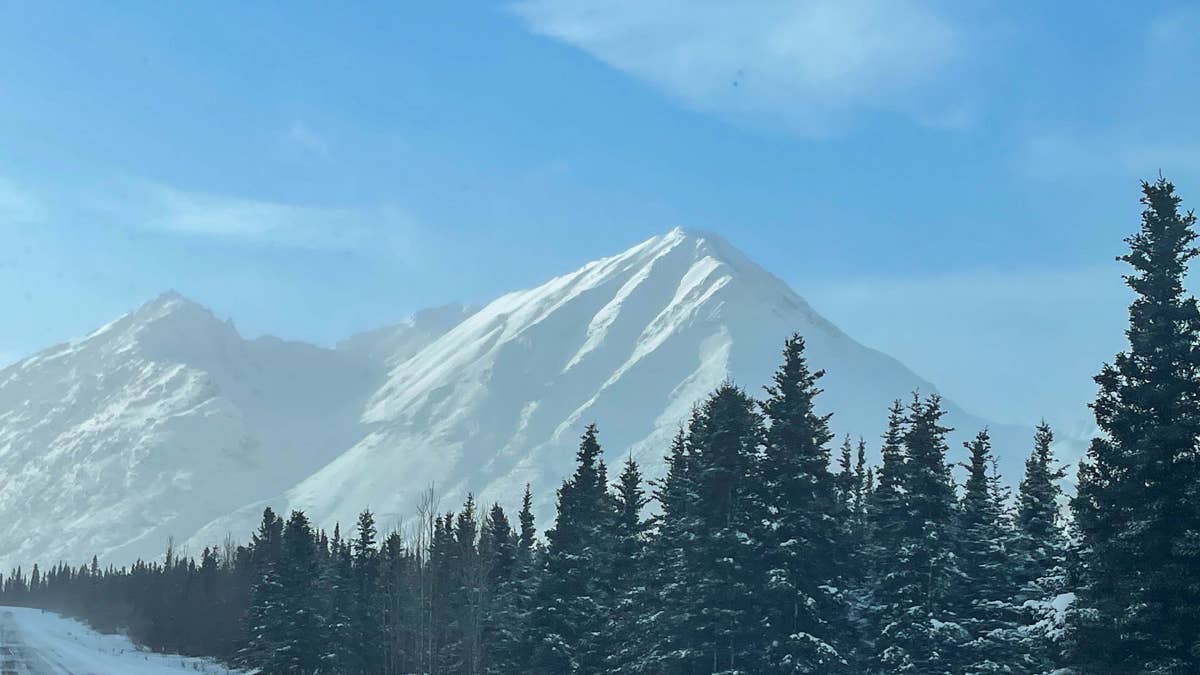
The unforgiving slopes of Denali claimed another life this week as a dedicated park ranger fell to her death while on patrol. Robin Pendery, a seasonal mountaineering ranger from Enumclaw, Washington, died Thursday after plunging into a crevasse on North America's tallest peak.
Pendery was conducting a climbing patrol on the 20,310-foot mountain when the fatal accident occurred. Rescue teams responded immediately, but the fall proved fatal. The National Park Service confirmed the incident Friday, sending shockwaves through the climbing community.

"Our mountaineering rangers dedicate themselves to serving visitors and helping others in one of the most challenging environments in the world," Denali Superintendent Brooke Merrell said in a statement. "Today, we mourn the loss of a valued colleague, friend and teammate."
Denali—formerly known as Mount McKinley—has long been considered one of the world's most dangerous peaks. Its combination of extreme altitude, brutal weather, treacherous glaciers, and steep terrain has claimed more than 130 lives since record-keeping began. Falls into hidden crevasses, slips on icy slopes, and uncontrolled descents remain leading causes of death.
One of the mountain's deadliest episodes occurred in 1967, when a massive storm near the summit killed seven members of a climbing expedition. While exposure and weather were primary factors, the disaster highlighted the mountain's extreme hazards. Other notable fatal falls have occurred on sections like the West Buttress route, the Headwall, and the Autobahn—areas where climbers navigate steep, icy terrain with significant exposure.
Crevasse falls are a persistent danger because Denali's glaciers contain deep cracks that may be hidden beneath snow bridges. Even with modern equipment, improved forecasting, and enhanced rescue capabilities, deadly accidents continue to occur. Most involve a combination of exhaustion, altitude sickness, deteriorating weather, rope-system failures, or simple slips in unforgiving terrain.
Thousands of climbers attempt Denali each year, and the vast majority descend safely. But the mountain's risks remain ever-present. The National Park Service requires all climbers to undergo safety briefings and strongly encourages proper glacier-travel techniques. Still, as this week's tragedy shows, even experienced rangers are not immune to the mountain's dangers.
A similar incident occurred in February when a search ended tragically in Colombia for a missing American Airlines flight attendant—a reminder that tragedy can strike in remote, hazardous environments worldwide.
Pendery's death has prompted an outpouring of grief from colleagues and the climbing community. She was a seasoned mountaineering ranger who had dedicated her career to helping others navigate the risks of Denali. Her loss leaves a void in the tight-knit community of those who work on the mountain.
As investigators look into the exact circumstances of the fall, the incident serves as a sobering reminder that even the most prepared individuals can fall victim to Denali's relentless hazards. Our thoughts are with Pendery's family, friends, and fellow rangers during this difficult time.