The football world is mourning the loss of Billy Ray Smith Jr., the legendary Arkansas Razorback and longtime San Diego Charger, who died at the age of 64. His family has confirmed that the cause of death was complications from chronic traumatic encephalopathy (CTE), a degenerative brain disease linked to repeated head trauma.
Smith, a two-time unanimous All-American linebacker for the Razorbacks, was inducted into the College Football Hall of Fame in 2000. He went on to play 10 seasons with the Chargers after being selected fifth overall in the 1983 NFL Draft, earning a spot on the team's 50th Anniversary squad.
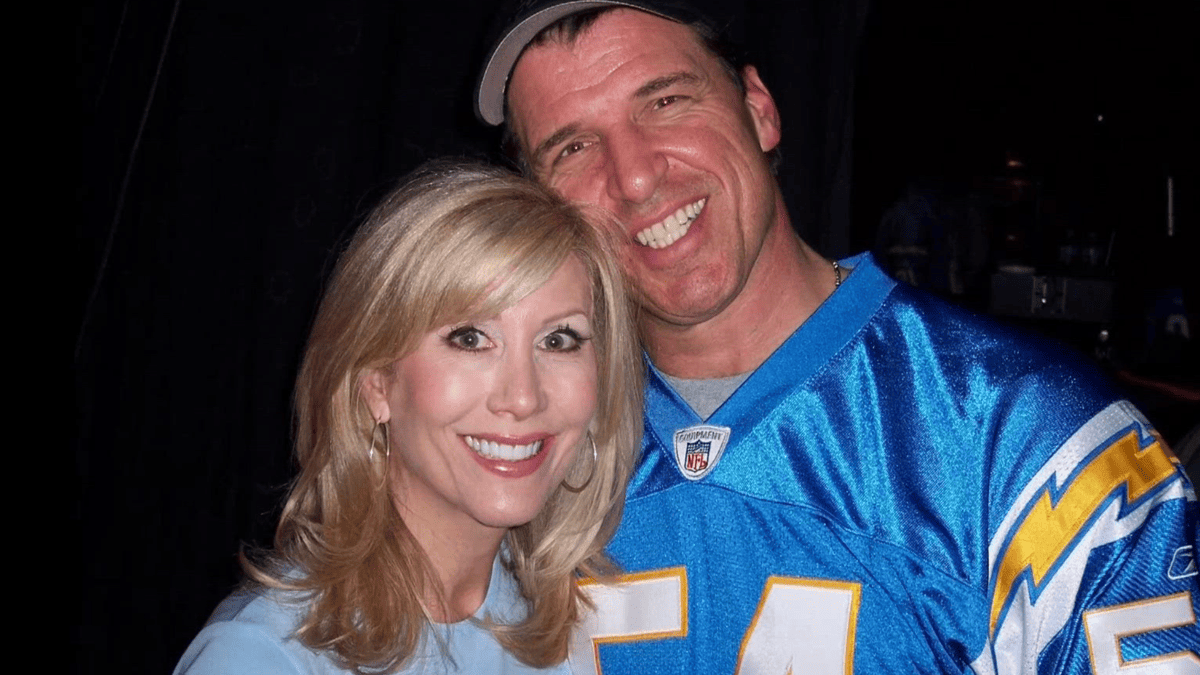
In a statement released by his family, they described Smith's long battle with dementia caused by CTE. "Billy Ray faced his long journey with dementia caused by CTE with unmatched bravery, dignity, and strength," the statement read. "Billy Ray brought so much joy, light, and laughter to the world as a devoted father, husband, son, and loyal friend."
CTE is a brain disease that has been found in athletes who play contact sports, as well as combat veterans and others exposed to head trauma. It can only be diagnosed after death, and its link to football has become a central issue in the sport's ongoing conversation about player safety. The news of Smith's passing adds to a growing list of former players whose deaths have been tied to CTE, including other NFL legends facing neurological conditions.
Chargers owner Dean Spanos also released a heartfelt statement, remembering Smith not just as a great player but as a person who lit up every room. "To know Billy Ray was to love Billy Ray," Spanos wrote. "Yes, he was a member of our 50th Anniversary team. Yes, he was a Charger for life, playing his entire 10-year career here. But he wasn't merely a great football player. He was, truly, larger than life. Always smiling. Lighting up every room he walked into. Infectious laughter. The kind of friend a friend should be. That was Billy Ray."
Spanos continued, "When someone who brought so much positivity into the world leaves us, it's hard to process. Hard to accept. That's how I feel right now, and I know I'm not alone. Billy Ray loved his family, loved the Chargers, loved his teammates, loved his community and loved helping those in need. And we all loved him back." He extended condolences to Smith's wife, Kimberly, and daughter, Savannah.
Smith's legacy extends beyond the field. He was known for his infectious personality and his commitment to community service. His death comes at a time when the NFL and college football continue to grapple with the long-term effects of head injuries. The ongoing investigations into player safety and the push for better protocols underscore the urgency of addressing CTE.
Fans and former teammates have flooded social media with tributes, remembering Smith as a fierce competitor on the gridiron and a warm, generous soul off it. His journey from Arkansas standout to NFL stalwart to Hall of Famer is a story of excellence, but it's his courage in the face of a devastating illness that resonates most deeply now.
As the sports community reflects on Smith's life and the toll of a game so many love, his family's message is clear: cherish the joy he brought, and continue the fight to protect future athletes. Rest in peace, Billy Ray.