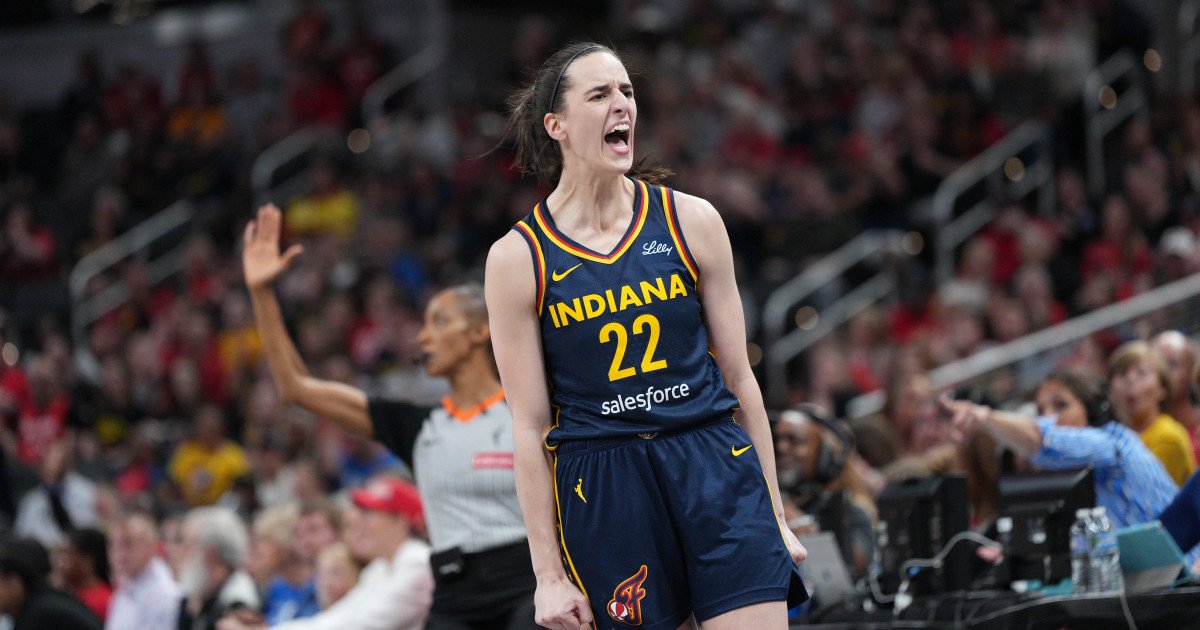
The financial landscape of the WNBA is shifting dramatically, and no one embodies that change more than Indiana Fever superstar Caitlin Clark. Fresh off a historic rookie season that captivated basketball fans nationwide, Clark is poised for a compensation explosion that reflects her immense value to the league.
The Numbers Behind the Leap
According to league sources and reporting from ESPN's Alexa Philippou, Clark's base salary is set to make an astronomical jump. After earning approximately $78,066 for the 2025 season—a figure often compared to a paralegal's salary—the sharpshooting guard will see her paycheck balloon to a cool $530,000 in 2026. That represents a staggering increase of nearly 700%.
But the windfall doesn't stop there. Thanks to performance incentives tied to the new Collective Bargaining Agreement (CBA), Clark could earn a projected maximum of $1.3 million in 2027 if she maintains her All-WNBA status. The following year, she could be eligible for a supermax extension worth approximately $1.7 million, cementing her as one of the league's highest-paid athletes.
A New Era for WNBA Economics
This seismic shift is a direct result of the newly ratified CBA between the WNBA and its players' union, agreed upon just before critical offseason deadlines. The deal fundamentally restructures rookie-scale contracts and ties the salary cap to league revenue, ensuring players benefit directly from the WNBA's explosive growth.
"This answered one of the biggest questions I had," one fan celebrated on social media. "Shout out to the WNBAPA for looking back and taking care of the rookie contract classes as well. We are so back." Another added, "I love that they tied the cap to league revenue. This is important for salary growth moving forward. The league will continue to grow and the money will keep coming."
The sentiment echoes a broader fan demand for fair compensation, especially for a generational talent like Clark, whose arrival has driven unprecedented ticket sales, television ratings, and merchandise revenue. As one supporter bluntly stated, "Good. Enough of poverty teams tanking, getting franchise players and paying them peanuts for 4+ years."
Clark at the Center of the Storm
Entering her third season but her first under this groundbreaking CBA, Clark finds herself at the epicenter of the league's financial and cultural transformation. Her on-court rivalry with fellow star Angel Reese has captivated audiences, though moments of sportsmanship, like their viral Team USA embrace, show the mutual respect driving the league forward.
Off the court, Clark's personal life also draws attention, with partner Connor McCaffery's heartfelt MVP tributes often making headlines. Her influence extends beyond basketball, much like how figures in other sports dominate conversation—whether it's Tom Brady's post-retirement ventures or debates in college sports leadership.
What This Means for the Future
The new CBA provides the WNBA with a stable framework to build upon its current momentum. With superstars like Clark finally receiving salaries commensurate with their impact, the league hopes to retain top talent and attract the next wave of phenoms. This deal isn't just about one player; it's about setting a new standard for professional women's sports.
As the WNBA enjoys soaring popularity, Clark's financial journey from $78,000 to a potential $1.7 million supermax serves as the ultimate benchmark. It's a powerful signal that the era of undervaluing women athletes is ending, replaced by a system where star power and league growth are directly linked to player compensation. The Indiana Fever guard isn't just shooting threes; she's helping shoot the WNBA into a prosperous new future.