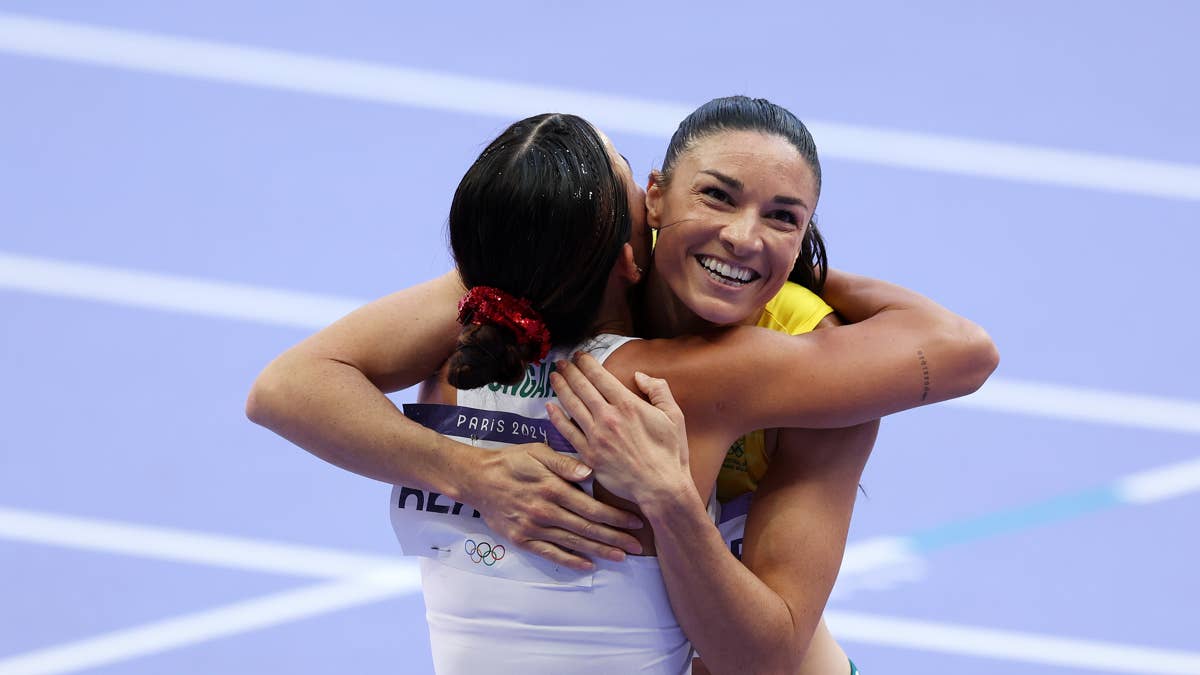
Sports networks around the world are facing pressure to clean up their act when it comes to covering female athletes. The issue? Too many broadcasts still focus on bodies instead of athletic performance, using camera angles and editing tricks that sexualize women in ways their male counterparts rarely experience.
The conversation has been brewing for years, but now major organizations are stepping in with concrete rules. The European Broadcasting Union (EBU) and European Athletics have partnered to release a new set of guidelines that explicitly ban certain types of shots during women's sports broadcasts.

What's off-limits?
The guidelines target three main problem areas: lingering shots on athletes' bodies, low camera angles that capture revealing views, and slow-motion replays that lack any real analysis or storytelling value. These practices, according to officials, have no place in respectful sports coverage.
“The sexualization of women athletes through selective camera angles and editing choices continues to be a significant concern across many sports broadcasts,” said Glen Killane, Executive Director of EBU Sports. “Lingering shots on bodies, low-angle cameras that capture revealing views, and excessive slow-motion replays that serve no technical or storytelling purpose are among the issues observed in the media coverage of women’s athletics competitions today.”
This isn't just about track and field, either. Similar complaints have surfaced in swimming, gymnastics, and other sports where athletes wear minimal clothing for practical reasons. The issue has also spilled over into other areas of sports media, as seen in the recent wardrobe malfunction video of a female rugby star that racked up 1.2 million views.
A push for respect
Dobromir Karamarinov, President of European Athletics, emphasized that the new rules are part of a broader effort to ensure all athletes are treated with dignity. “At European Athletics, we are committed to ensuring that our sport is presented in a way that respects and empowers all athletes, regardless of gender, race, religion, sexual orientation, or socioeconomic background,” he said.
Karamarinov tied the initiative to the organization's “Race For Respect” campaign, which aims to promote equality across the sport. He also praised the collaboration with the EBU, calling it instrumental in raising broadcasting standards and expanding viewership for athletics.
“I applaud the EBU for taking this initiative and thank all directors, camera operators and athletes for their involvement,” he added. “The only way forward is through collaboration, dialogue, and mutual understanding among all stakeholders.”
The move echoes similar calls for change in other corners of the sports world. For instance, a World Cup reporter was recently told to ditch an inappropriate wardrobe, highlighting the broader scrutiny on how women are presented in sports media.
What's next?
While the guidelines are currently focused on European broadcasts, the hope is that they'll set a global standard. The EBU and European Athletics are urging directors, camera operators, and producers to adopt the new rules immediately. Athletes themselves have been consulted in the process, ensuring that the guidelines reflect what competitors actually want to see.
For fans, the change means more focus on the sport itself—the speed, the strategy, the skill—and less on the athletes' appearances. It's a shift that many say is long overdue, and one that could reshape how women's sports are covered for years to come.