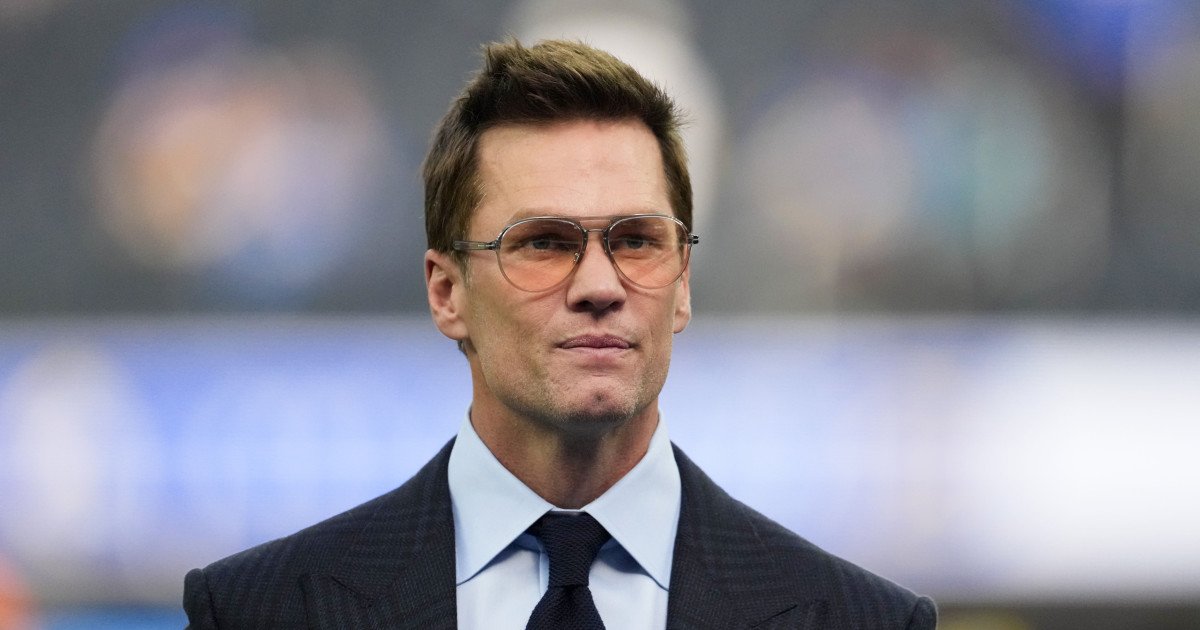
In a major pivot driven by global instability, Tom Brady's grand return to competitive football—albeit the flag variety—is trading desert sands for Southern California sunshine. The star-studded Fanatics Flag Football Classic, originally slated for Saudi Arabia, has been officially relocated to Los Angeles as escalating conflict in the Middle East made the region untenable for the high-profile event.
Safety First: A Necessary Call
According to NFL insider Ian Rapoport, organizers made the decisive move following recent military escalations between the United States and Iran, which have created a dangerously volatile atmosphere across the region. The event, which will feature Brady alongside a roster of NFL stars and celebrities, was deemed too risky to proceed as planned. This shift underscores how international tensions can swiftly alter the sports landscape, forcing last-minute logistical overhauls. It's a stark reminder that while sports often serve as a unifying escape, they cannot ignore the harsh realities of global conflict.
The new home for the gridiron showcase is expected to be BMO Stadium in Los Angeles, the buzzing home of MLS clubs LAFC and Angel City FC. The venue carries its own significant pedigree, as it's already scheduled to host flag football when the sport makes its Olympic debut at the 2028 Summer Games in LA. This turn of events effectively transforms the exhibition into a thrilling preview of Olympic-level flag football, offering fans a sneak peek at the future.
Fan Reaction: From Frustration to Celebration
The relocation has been met with overwhelming approval from stateside fans. The prospect of traveling to Los Angeles rather than embarking on a lengthy international journey to the Middle East is a clear win for accessibility. Social media reactions highlighted both relief and a sense of poetic justice. "Smart move pulling it out of Saudi with everything heating up over there. LA at BMO is gonna be way better vibes anyway," wrote one fan, capturing the prevailing sentiment. Others questioned the original choice of host country, with one remarking, "Someone finally remembered the Olympics are in Los Angeles and not Riyadh."
This situation isn't the first time international strife has impacted the sports world. Just as LIV Golf recently needed extraction from a conflict zone, major sporting plans are frequently at the mercy of global events. Furthermore, severe weather can cause similar disruptions closer to home, as seen when severe storms threaten to upend schedules across multiple states.
The backdrop for the move is undeniably grim. Recent retaliatory missile attacks across the Middle East have created a climate where hosting a large, celebratory sporting event became impossible. Under such conditions, the safety of players, staff, and traveling fans must be the absolute priority, making the relocation an unavoidable decision.
Lemonade from Geopolitical Lemons
What could be seen as a setback has been expertly reframed as a unique opportunity. Landing at BMO Stadium connects the event directly to the Olympic movement, adding a layer of prestige and future significance. Fans won't just be watching Brady and friends run routes; they'll be getting a firsthand look at the venue and the style of play that will captivate the world in 2028.
This move also highlights the evolving nature of sports logistics in an unpredictable world. Leagues and event organizers must now factor in geopolitical stability with the same seriousness as weather forecasts and venue contracts. While the focus remains on the electric football action to come, the story of how it got to LA is a powerful testament to adaptability in the face of global uncertainty.
The football world continues to evolve off the field as well, with surprising career shifts making headlines, such as Todd Haley's stunning transition from the NFL to the UFL. Meanwhile, the sports community also pauses to honor legends, recently mourning the loss of coaching icon Lou Holtz. Through exhibitions, transitions, and tributes, the narrative of sports presses on, even when original game plans have to change.